When it comes to marriage proposals, there are a lot of videos online of people proposing in the most creative of ways.
Well, I think Twilight had them all beat in the second episode of Spy x Family, “Secure a Wife.”
After all, what’s more romantic than fighting off a band of smugglers and then proposing with the grenade pin from the same grenade you used to blow them up?
The build up to this instantly iconic anime proposal is well done, with numerous comedic and wholesome moments, just like in the first episode.
Before this, however, we get our first look at the opening “Mixed Nuts” by HIGE DANdism, and I really liked this one.
The visuals start off with a noir-action vibe, before transitioning into colourful, childlike images of Anya’s experiences with her family, and then cutting back to action, before right back to wholesome at the end.
Along with this, the vocals are also pretty great.
Once the opening finishes, the Takahiro Harada directed episode begins by setting up the introduction of Twilight’s fake wife to be, first with a comedic moment as Twilight’s friend Franky dresses up as a woman to pose as the wife, only to be turned down by Twilight who wants to explore his options.
And by “explore options”, he means breaking into the City Hall and stealing all of the information on the unmarried women working there to find a potential wife.
Pretty creepy Twilight but, then again, it is for the good of the world.
In any case, this does lead to the introduction of Yor Briar (Saori Hayami) who, as her terrible work colleague says, is rather unique.
I mean, this is kind of obvious, given that she mistakes a joke from her coworkers to mean that boogers actually makes drinks taste better (god help Twilight and Anya when she actually cooks for them) but it goes deeper than that.
This becomes apprent when, right after making up an excuse of already having a bofriend to her brother, she gets a call from her boss to handle a client in her real profession: assasination.
Yor is a high profile assassin, known as the Thorn Princess, who takes out her target with ease, only ripping her dress in the process, a fortuitous turn of events, since it leads to her meeting Twilight and Anya, as all three go to the same clothing store, Twilight to get Anya’s measurements for refined clothing and Yor to get her dress sewed back up for the party.
Due to her skills as an assassin, Yor is able to walk beside Twilight without him noticing, drawing his attention as he wonders if his skills are slacking.
Yor then notices him looking (even though his back is to her, which is weird), and Twilight uses this as an oppurtunity to compliment Yor, considering her as a fake wife candidate.
This causes Yor to consider asking Twilight to be her fake boyfriend for the party, before Anya shows up and Yor wrongly assumes Twilight is married.
Anya then comes in for the save as Twilight’s wingman when, upon reading Yor’s mind and realizing she’s an assassin, Anya wants her to be her mother, so she starts dancing and singing that she wishes she had a mother.
Real inconspicious Anya.
Also hilarious.
With the misunderstanding resolved, Twilight and Yor agree to work togethor, Twilight acting as Yor’s boyfriend at the party and Yor acting as Anya’s mother for the Eden Academy interview.
The only problem is that Twilight has to steal back art from a smuggling ring on the night of the party with Franky, meaning he is late and injured upon arriving.
This causes him to get his missions mixed up and announce to everyone that he is Yor’s husband.
Twilight and Yor roll with it, however, and unintentionally embarass Yor’s rude coworker, who tries to embarass Yor on numerous occasions.
If anything, all this coworkers does is make the two more interested in each other, as Twilight is impressed with Yor’s dedication to looking after her brother and voices this, and Yor grows even closer with Twilight due to his kind words, now looking to extend their agreement.
Granted, Yor does choose the worse time to offer this extension, as she does it while the two are attacked on their way back from the party by the smuggling ring.
Although, maybe it was the right time because it does lead to us seeing the most romantic anime proposal ever, as Loid chucks a grenade at their attackers before using the pin as a ring, with both him and Yor agreeing to stay togethor for their own betterment.
Yet, while both are aware that their reasons for keeping up this marriage are self serving, they are unaware of what their true motivations are: Twilight for his mission to preserve world peace, and Yor so she will not be suspected of being an assassin.
The only one who does know is Anya and that will make for numerous comedic moments in the future of the anime, I assure you.
Overall, I would say that Episode Two is better than the first one, as it felt like it had a lot more room to breath with its comedic timing.
The next episode looks to continue this, since it appears we may be getting some anime only scenes, which will hopefully be just as funny and wholesome as the manga’s humor.
After much anticipation, the Cloverworks and Studio Wit adaptation of Tatsuya Endo’s manga Spy x Family has finally released its first episode, “Operation Strix.”
Directed by Kazuhiro Furuhashi, this first installment is an excellent start for the anime, no doubt bringing in many new fans for this wholesome story.
“Operation Strix” begins with the introduction of the spy known as Twilight (Takuya Eguchi), who comes from the country of Westalis.
Inside its rival contry Ostania, Twilight works to protect his own country through various espionage exploits, like stealing incriminating photos that reveal the foreign minister wears a toupee… no, I’m not kidding.
Twilight achieves this with ease by impersonating the man buying the photos, Edgar, with a life-like face mask.
It is revealed that Twilight managed to get close to Edgar by dating his daughter, Karen, a relationship which is now useless to him, causing him to break up with Karen in a comedic scene where he uses the excuse of not sensing, “any intelligence in your conversations.”
As he throws the life of his cover Robert away, Twilight narrates that he threw away any ideas of marriage or conventional happiness when he became a spy, only for the next scene to naturally force him to construct both.
Reading a coded message on a train, Twilight is given his next mission: to get close to political extremist named Donovan Desmond and uncover any seditious acitivies he may be committing.
In order to get close to him, Twilight will need to enroll a child at an elite private school where Desmond’s son goes, meaning he has to have a child and get married in seven days.
This ridiculous prospect causes him to understandably spit out his coffee and wonder aloud how he is supposed to do this, humorously disrupting the passengers around him.
Well, disturbingly enough, it seems that all it takes to adopt an orphaned child in this country is to just walk in the front door of an orphanage and the drunk caretaker will give you one.
At least it ends positively in this case, with Twilight adopting the adorable future meme generator of the anime community, Anya (Atsumi Tanezaki), who is everything Twilight is looking for.
She is six years old, even though she looks younger, stand on her tip-toes when people question this, and also completes a complicated crossword puzzle as good as if not better than any adult.
The only problem is, unknown to Twilight, Anya is actually a telepath, who escaped from the organization that created her, and has been reading his mind to see what kind of daughter he wants, desperate for a family and naturally excited to meet a spy.
After adopting her, Twilight moves them into their new apartment under the name Loid Forger, where his inexperience with children and Anya’s telepathy cause a lot of problems during a shopping trip, much to Twilight’s distress and our amusement.
There’s Twilight accidentally scaring Anya by thinking of an enemy attack, then Anya misinterpreting his thoughts to believe that him understanding her will create world peace, motivating her to declare that she likes peanuts and hates carrots, before mistaking a bakary for a “bakenry.”
All of this humor causes Twilight to question if Anya is stupid, wondering if he should replace her, naturally causing Anya to burst into tears, only to cheer up instantly when Twilight offers her peanuts.
See, Twilight’s learning.
Things don’t necessarily go better the next day, however, as Anya is reluctant to study for the test, leading to Twilight going to get the exam questions for the private school from his friend Franky, leaving Anya to her own destructive devices.
I say destructive because she uses her telepathy to uncover Twilight’s spy gadgets, leading her to accidentally contact Edgar and taunt him, allowing him to figure out the location of Twilight’s apartment and kidnap her.
Twilight arrives, unaware of her kidnapping and the incoming ambush Edgar has set, only for him to notice the barricade he set to lock Anya in the apartment has been moved.
We then get out first action scene of the series, as Twilight takes on his attackers, and it is fantastic.
The animation is fluid and makes me excited for the action scenes we will get in the future, even if I am looking forward to the wholesome and comedic moments more.
In any case, the fight ends with Twilight discovering Anya’s kidnapping and questioning whether he should leave her behind, only to seemingly be knocked out by one of Edgar’s goons.
Meanwhile, Anya is under the captivity of Edgar and witnesses him execute one of his men for daring to suggest that they should stop focusing on getting the foreign minister’s toupee.
This joke leads me to one of my few criticisms of the episode, which is that it goes by a bit quick.
In the manga, it felt like there was more breathing room for the jokes to register, like the toupee joke but it goes by pretty fast here.
After the final toupee gag, Edgar’s man who attacked Twilight arrives with him unconcious, only for this man to be a disguised Twilight who rescues Anya, causing the girl to cry in joy, making Twilight realize that he hates the sound of children crying because it reminds him of his own traumatic childhood, something that hits hard with a recent manga chapter.
Setting down Anya outside, he lies that he is a pro-tag player and challenges her to take a note to a policeman, which Anya learns telepathically will take her to a better orphanage.
The following scene where Anya turns to see Twilight rip off his face mask as he goes to face Edgar, thinking of how his goal is to make a world where children won’t cry, is a fantastic adaption of the manga, with the animation, music and cinematography driving the emotion home.
Back inside the building, Twilight takes down Edgar’s goons with ease, while keeping his face hidden, before putting a gun to Edgar’s head, saying he will kill him if he turns around.
This is where my second criticism of the episode comes in because this moment was much more intimidating in the manga, with Twilight’s face darkened to make him look dangerous, while in the episode his face is in clear view.
It made the part where he convinces Edgar to leave him alone by threatening Karen a lot darker, so it was a shame to see the impact lessened.
After this moment, it’s right back to wholesome as Anya reunites with Twilight, declaring that she wants to go home with him, which Twilight accepts while still lying about what he was doing.
Anya, however, does not care about the lies.
“Paga is a huge liar… But he’s such a cool liar,” she thinks to herself on the tram ride home.
Later on, Anya starts her exam for the private school, only to be horrified when she tries to cheat off the other participants and learns they don’t know the answers either.
She still manages to wing it, thankfully, much to Twilight’s excitement, but he collapses from exhaustion after finally relaxing, causing Anya to humorously declare that he has “died” when she gets home with him.
We then get the exciting cliffhanger of the episode where, after Anya adorably snuggles up to her adopted father on the couch, he reads a letter from Eden Collage, which says Twilight and Anya will need to take part in a family interview, meaning he now needs to find a fake wife.
Enter Yor, who we will be meeting next episode and, thankfully for Anya, is also a bundle of awesome and wholesomeness, so we have that to look forward to.
We have a whole lot to look forward to actually, as Spy x Family is probably the funniest and most wholesome manga out there right now and, if Cloverworks and Wit do as good of a job adapting it as they did this first episode, we will all be in for something truly special.
Another year, another finished part of Attack on Titan‘s last season, with the final part coming in 2023.
There was a lot of speculation about how Mappa would follow up Part Two, when it became clear that they could not adapt the rest of the chapters in the time they had left.
So, it would either be a movie or a Part Three and it turns out that it’s the latter, although I will say that they should have just labelled these parts as different seasons, since there’s such a significant gap between them.
Either way, the last episode of Attack on Titan the Final Season Part Two, “Dawn of Humanity”, directed by Hidekazu Hara, Mitsue Yamazaki and Tokio Igarashi, is a fantastic ending for this section of the story and very well adapted from the manga.
In my review for the previous episode, I speculated that this episode would also adapt the missing flashback from Chapter 123 because I thought they would go quite well with the events from Chapter 130, which the episode would be adapting.
Turns out I was right because “Dawn of Humanity” begins with that missing flashback, preluded by Mikasa wondering if Eren really never changed and, if that is the case, what she saw in him.
We then get the actual flashback, which sees the Scouts infiltrating Marley, with the hope of connecting with a group that protests for Eldian rights.
This mission starts off almost disasterously and definintley humorously, as Connie and Sasha both nearly break their cover by talking about leaving the walls of Paradis out loud, to which Jean has to reprimand them for.
The Survey Corps then begins their scout of enemy territory, with even more humorous events, as Sasha eats ice cream for the first time, she, Hange and Connie chase down a car to feed it carrots and, funniest of all, Levi is confronted by a clown who mistakes him for a kid.
Yet, the scene turns serious whenever it changes to Eren, as we now know that he had his future memories during this mission, so he was aware that he was going to kill most of the people the group are currently interacting with.
While this scene is happening, Mikasa reflects on how they did not notice this or maybe did not want to notice, and I think it is the latter, since she looks concerned for Eren on multiple occasions.
The scene then turns more serious, when Levi stops a migrant kid from pickpocketing Sasha, calling him out in front of everyone.
However, he and the rest of the Scouts quickly realize this was not the right call because it is like a switch is flipped in the Marleyans’ heads and they all become racist psychopaths, wanting to toss the boy in the ocean to drown, smash his hand, or hang him.
Levi then steps in, picking the kid up and claiming he is actually Sasha’s brother, to which she and Hange play along with, before the group flee, taking the boy to saftey, only for him to pickpocket Levi before departing.
The Scouts then go to visit Kiyomi, discussing their plan to meet in secret with the Eldian rights group, to which Kiyomi is skepticial will result in anything, but Hange insists they have to try.
Mikasa then notices Eren is missing and runs outside to find him looking over a refugee camp where the boy they saved and his family are staying.
Eren hides his tears from her and when Mikasa asks Eren if something happened to the boy, Eren chillingly replies, “nothing yet”, again indicating to the audience that he has future memories of the Rumbling.
Eren then abruptly asks Mikasa why she is so determined to protect him, questioning what he is to her, to which Mikasa gets flustered and responds that he is family.
They are then interrupted by the young boy’s grandfather, who invites them and the rest of the 104th Scouts to drink with them.
This results in honestly one of the most heart touching moments of the series, as we see the 104th happy togethor for the last time before Eren went rogue.
What makes this even better is the music that is playing because it is the same one that played when Grisha lead Faye outside the walls, leading to her death.
Thus, this scene is yet another moment of final happiness before everything goes wrong.
For this final moment of happiness, we see everyone surprised by how quick Eren is to drink, them all partying togethor, the young boy flinging himself into Eren, Sasha puking in a pot, and Levi, Hange and Onyankopon being mortified as they find the group passed out drunk.
Then comes the moment where it all goes bad, as the scene cuts to the Scouts going to the meeting of the Eldian rights group in the morning, only for this group to condemn the Eldians on Paradis island, just like almost everyone else in the world does, leading to Eren leaving.
In the present, Mikasa now wonders if Eren would have taken another path if she had given him a different answer when he asked what he meant to her.
Honestly, though, I have never really been able to see this as happening.
Even if Eren does return Mikasa’s feelings, I cannot see him taking a different path than the one he has because of who he is as a person.
The episode then cuts to the adaptation of Chapter 130, beginning from Eren’s perspective as he wonders where everything started, if it was the day the walls fell, when the pigs were freed, or maybe from the moment he was born.
Eren then decides that it does not matter because everything that has happened is according to his will.
We then get another flashback, as we see Yelena tell Eren about Zeke’s Euthansia Plan, with Floch secretly listening in.
Eren and Floch then have a private conversation where Eren reveals to him that he plans to destroy the world, stating that they will play along with Zeke until they have the oppurtunity to betray him.
Floch actually looks pretty shocked when Eren says he will kill everyone outside the walls, making me wonder if he was always so gung-ho about this plan or if he needed a little persuading from Eren.
Then we finally see Historia after so long, with Eren going to visit her to tell her his plan.
This scene starts with the two of them discussing the implications of the 50 year plan, where Historia will have to sacrifice herself and her own children by continuously inheriting the Beast Titan.
Historia is still bizarrely okay with this plan, seemingly having forgot all of the character development she recieved in the Uprising Arc, but thankfully Eren is not okay with this, revealing to her his true plan to which Historia is understandably horrified.
She tells Eren that if she does not try to stop him then she won’t be able to live with herself, but Eren says that she can because she is “the worst girl in the world,” calling back to the time she saved his life in the Uprising Arc.
This seemingly convinces her to stay quiet about his plan.
We then get another flashback scene, this time between Eren and Zeke in Liberio, as Eren questions Zeke about his theory that Mikasa’s Ackerman blood makes her a slave to him.
Zeke, however, reveals that Eren’s suspicions are entirely wrong and that there is no Ackerman instinct to protect a host, meaning that Mikasa protects him because she truly loves him.
Although, one question I do have is what caused Eren to come to his wrong conclusion about Mikasa’s Ackerman blood in the first place.
I mean, we know he lied to her about it to push her away, but he seems to have thought it was true back in Liberio, so why did he think so before Zeke disproved it?
In any case, Zeke then questions what Eren intends to do about Mikasa’s feelings, but Eren says he only has four years to live and he wants all of his friends to live long lives.
Intercut among this sequence, we see Eren cutting off his own leg and gouging his eye out with a bullet to act like a wounded soldier in Liberio and, weirdest of all, Historia asking Eren if she should get pregnant.
After this scene, we then return to the present for the final, horrifying scene of Part Two, as the Rumbling finally arrives in Marley.
The world’s naval fleet are waiting for them but their efforts are completley useless, as there are literally millions of Colossal Titans advancing on them from the sea.
The military alliance only manage to take out a couple of the Walls Titans, before they swim right below their ships, the heat incinerating every soldier aboard, which is a much more ghastly display than the one in the manga.
The Wall Titans then emerge from the ocean and march towards the ground forces, who also have no effect on the wall of death fast approaching.
Eventually, the fear wins out and the soldiers run, only to turn back and see Eren’s gigantic Titan form emerging from the ocean as well.
This horrifying image is accompanied with a soldier title dropping the series, “Shingeki no Kyojin!”.
As the Rumbling finally begins its process of destroying the world, Eren’s inner monologue states that he will wipe out every last one of them, while remembering his mother’s death, bringing a close to Part Two’s last episode.
“Dawn for Humanity” is a phenominal episode that adapts Chapters 123 and 130 very well.
I especially have to praise Mappa for their work on the CGI Colossal Titans.
They have definitley improved their CGI from Part One.
The only criticisms I have for this episode are that I still think Historia accepting the 50 year plan goes against her character, and that the ending to the series itself undermines some of Eren’s scenes.
That last point obviously factors in manga spoilers, so I will be discussing that down below rather than here.
Despite these issues, “Dawn for Humanity” is still a fantastic ending for the Final Season’s second half, and it makes me even more excited for the future adaptations of great chapters like 131, 132 and 134.
Manga Spoilers: I said in the spoiler free section of this review that one of my criticisms comes from my belief that the ending to the manga undermines some of Eren’s scenes.
However, I want to start off the manga spoilers section positively, so instead I’ll begin by discussing how the merging of the Chapter 123 flashback and Chapter 130 into a single episode could improve one aspect of the ending: this being Eremika happening.
Eren’s feelings for Mikasa honestly feel very sporadic to me in the manga.
I can only pinpoint three moments before the ending where it looks like he might return her feelings, these being Chapters 50, 123 and 138, with the remaining 135 chapters being him either treating her like family or pushing her away.
Yet, I think that pairing up the Chapter 123 flashback, where Eren asks Mikasa what he is to her, with the scene in Chapter 130 where Zeke discusses Mikasa’s feelings for Eren, does hit it further home that we are heading towards an ending where Eren’s feelings for Mikasa will be confirmed.
I don’t think it fixes the rushed nature of the reveal entirely because, again, Eren’s feelings for Mikasa are quite sporadic in their portrayal, but it does improve it so I think more people will be accepting of it watching the anime than in the manga.
With that positive out of the way, I now have to move onto my criticisms, because while I think Eren’s feelings for Mikasa may be recieved better in the anime, I don’t think the reveal of Eren’s true plan will because of how much it contradicts his actions in this episode.
The ending reveals that Eren knew he would be stopped before he entirely destroyed the world, so this raises the question of why Eren lies to Historia about the Rumbling.
She is horrified by it and initially wants to stop him and Eren could have calmed her down somewhat by telling her that he would be stopped.
Instead, he says, “the only way to end this cycle of revenge fueled by hate is to bury our hate-filled history along with civilization itself.”
It makes sense why Eren lied to Floch about the Rumbling, since he needed him to help start the Jeagerists, thereby allowing Eren to get into contact with Zeke, but lying to Historia served absolutley no purpose.
It makes Eren seem quite contradictive at the end.
I have heard some argue that Eren only learned he would not succeed in destroying the world after he gained complete control of the Founding Titan which, if true, would explain this plot hole because it would mean Eren didn’t lie to Historia.
However, this is stated absolutley nowhere in the manga, with Eren and Armin’s final conversation seeming to contradict this theory as well.
Another weird moment about this scene, which I was surprised to see wasn’t cut, is Historia asking Eren if she should get pregnant.
This was weird in the manga and it is weird here because it seems to be hinting that there is something about this pregnancy we don’t know about but there really isn’t.
Historia just forgot her entire motivation to live for herself and was paired off with a nameless nobody, who contributed to her wanting to kill herself at the beginning of the story, and then she was sidelined with a degrading pregancy subplot for the rest of the story (Yes, I still hate how Historia’s character was treated in the final arc. How could you tell?).
As for Eren, there is another moment where his dialogue makes no sense when considering the ending, this being the final scene of “Dawn of Humanity.”
Here, Eren’s own inner monlogue states that he will wipe out every last one of them.
Again, this is contradicted by what happens in the ending, with Eren knowing he will be stopped.
Coming into the episode, I thought this line would be delivered in a flashback to when Eren said this as a young boy after his mother’s death.
That would have made this moment make sense because it’s not the Eren who knows he is going to be defeated speaking, but the young kid mourning his mother.
Yet, this is not what we got.
Instead, it is adult Eren thinking about how he will wipe everyone out when he should know that he won’t.
This also completley debunks the theory that Eren learned he would lose after gaining the full power of the Founding Titan.
The ending makes a lot of Eren moments in this episode make no sense.
Thus, the hindsight of the ending really makes these scenes have less impact for us manga readers and will produce the same effect on anime only viewers when they rewatch the series, in my opinion.
But, hey, despite the lackluster ending we will most likely still be getting when the Final Season Part Three comes out in 2023, at least we will still have some amazing moments from the manga to look forward to.
So, until 2023 Attack on Titan.
There are many anime out there that deal with teenagers being sent to the front lines of battle. To name a few of the ones I have seen, there is obviously Attack on Titan, and also Mobile Suit Gundamn: Iron Blooded Orphans. However, despite there being many anime that depict this issue of child soldiers, I would argue that few handle this topic as well as Eighty-Six.
Eighty-Six deals with the ethics of teens being sent to war better than any anime I have seen.
Developed by A-1 Pictures and based off the light novel by Asato Asato, the Toshimasa Ishii directed anime begins in the Republic of San Magnolia, a country that has been at war with the Empire of Giad’s AI army, known as the Legion, for nine years. Despite many years of war, the Republic claims to have lost none of their soldiers, due to their own mechanized, remote controlled forces. Thing is, this is all just propaganda. The Republic’s mechanized forces are far from remote controlled. Their Juggernauts are actually controlled by the Colorata minority, a diverse group of people who have been stripped of all human rights by the dominant race of the Alba and forced by to fight for them, along with being forced to relocate all to the 86th District, hence the title of Eighty-Six. With all of the Eighty-Six’s parents having been killed in the fighting, the Albans are now forcing their children to pilot their Juggernauts to fight the Legion, with Alban handlers directing them. One of these handlers is Vladilena “Lena” Milize (Ikumi Hasegawa), who hates what has been done to the Eighty-Six, and is put in charge of the Spearhead Squadron, lead by Shinei Nouzen (Shōya Chiba), nicknamed The Undertaker. From this point, the story unfolds, as Lena is quickly faced with the horrors the Eighty-Six have to go through on a daily basis and her own hypocrisy in how she treats them, all the while Shinei and his fellow 86 learn to deal with a handler who actually sympathizes with their plight.
Just because Lena sympathizes with Shinei and his friends, does not mean she doesn’t dehumanizes them in their initial intercations, which is called out perfectly and creates great development for her character.
This results in numerous hard hitting moments, both on the battlefield and off, helped by the amazing animation and soundtrack by Hiroyuki Sawano and Kohta Yamamoto, all coming togethor to bring the story’s commentary on the horrors of war, nationalism, racism and child soldiers to the forefront. Yet, there is also hopeful themes among the dark ones, which is especially apparent in the last few episodes, which were delayed due to production issues. Despite these issues, these final few episodes were incredible, making me tear up in the penultimate episode. Heck, even Asato Asato apparently cried at the adaptation so you know the anime did something right.
The penultimate episode has my favourite moment of the entire series so far, making me tear up along with the characters. Everything from the animaton, to the soundtrack, to the cinematography, came togethor to create a masterpiece of a scene.
Given the quality of these last few episodes, I really have to praise A-1 Pictures because clearly everyone involved, from the animators to the director, were passionate about this story, as proven by how they delivered the last few episode with the same quality as the rest of the anime, while having production problems. The quality was so good that now I am even more excited for a follow up, which I hope we get. With how amazing this anime’s story, characters, themes, direction animation and score are, if it gets a follow up, it could be up there with some of the greats.
Give us more 86, please.
Of all of these great features, I have to end this review by once again praising its themes. Of all the anime I have seen with child soldiers, Eighty-Sixdelivers the best commentary on that. It even trumps Attack on Titan in this regard, since Eighty-Sixactually deals with the deplorable ethics of using children in war, despite their insistance to fight. It is a theme I hope to see expanded upon whenever we get a follow up, which should happen because there is apparently enough source material to create more. Fingers crossed that this is what happens.
Last year, I finished reading Robert Jordan’s epic fantasy series The Wheel of Time, and it was quite the experience. Spanning 15 books, released from 1990 to 2013, Robert Jordan was unfortunately only able to complete 11 books and a prequel before his tragic passing, after which Brandon Sanderson took over to finish Jordan’s work, based off the notes he had left behind. It is quite a commitment to read these books, with thousands of pages to read and many characters to keep track of, with it taking me almost a year to complete the entire series. This was time well spent, in my opinion, because The Wheel of Time is now among my favorite novel series of all time. Therefore, I decided to rank all of the books from the weakest to the best. Keep in mind, though, that this is solely based off my first read through of the series, so my opinion could change after a second read through. Also, this ranking will contain spoilers for the entire series, so if you haven’t read the books, then don’t read this. With that out of the way, I’ll start with what I believe to be the weakest book in The Wheel of Time series, and I’m sure that those of you who have read the books can guess which one it is.
15. Book Ten – Crossroads of Twilight.
No surprise, the book that most fans seem to agree is the weakest book of the series is the one that I rank right at the bottom. Coming right at the end of “the slog” section of the novels, I had heard Crossroads of Twilight would be the hardest to get through. Honestly, before this point, I had actually been enjoying the books of the so-called slog. Sure, they weren’t up to par with what came before, but they were still enjoyable reads. Unfortunately, this was not the case for Crossroads of Twilight for me, as I can firmly state it is the only book in the series that I did not like. One of the biggest reasons for this is that it feels like almost nothing happens in this book. I remember getting to page 350, setting the book down for a second, and going, “Wow, pretty much nothing of interest has happened, yet.” This is not helped by how boring a lot of the POV characters are in this book. Perrin’s storyline of trying to save Faile from the Shaido is still dragging its feet with very little progression. Worst of all are the Elayne chapters. My god, were her chapters difficult to get through. She literally spends a significant portion of one chapter in a bath being told things. However, this does not mean Crossroads of Twilight is devoid of good qualities. The ending to the book is actually pretty great. We get a phenomenal Perrin chapter, where he finally begins to grow in an interesting way, rather than meandering his way through the story, like he was beforehand. Then there is Egwene getting capture right at the end, which kickstarts her phenomenal storyline of gaining the White Tower’s support from the inside. Sadly, these great moments come right at the end, and they don’t really redeem what came before, since it’s mostly just set up. And that is Crossroads of Twilight’s main problem. It’s mostly boring setup and it ends just as it’s starting to get good.
14. Book Eight – The Path of Daggers.
I heard a lot of bad things about The Path of Daggers before I read it. People kept telling me that it was among the weakest of the series, alongside Crossroads of Twilight. You know what, though? I’m glad I heard these negative things about this book, because it made me appreciate its great moments all the more. Yes, I do consider The Path of Daggers to be the second weakest book in The Wheel of Time, but this book was still a decent read for me. I will get the negatives I have out of the way first, so I can end on the positives for this one. For starters, this is where the Bowl of the Winds storyline comes to a conclusion and this was never a storyline I really cared about, so when the beginning of the book was largely centered around it, it did not make for a good beginning. This was also the book where Egwene’s journey to the White Tower began to tire me out. Sure, I liked her political maneuvering, but it began to feel like it was taking forever to get to the Tower. Also, it was a shame to see that there was no Mat POV in this book, especially since his story ended on a cliffhanger in A Crown of Swords. Then there’s the climax of the book which, while not bad, is a little anti-climactic when you compare it to the other endings in the series. Now, onto the good. For starters, I actually like Perrin’s chapters here. Sure, it does end with the infamous Faile kidnapping plot starting, but I liked seeing Perrin deal with Masema’s men and meet up with Elyas again. Then, there was Rand, who can always be counted on to be an interesting character and this book is no exception, with him delivering the best scene, when he uses Callandor and loses control, decimating his own forces. These things made me appreicate The Path of Daggers, even if it is one of the series’ weakest.
13. Book Seven – A Crown of Swords.
This placement may come as a bit of a surprise for some because I have seen A Crown of Swords ranked in many different places on many different lists. Some rank it high, some rank it in the middle, and some rank it low. Sadly, it’s low for me, although I will admit this is mostly for a personal reason, this being that I just did not find a lot of the storylines this book covered to be that interesting. As I said, the Bowl of the Winds was never a plotline I really cared for, and I especially did not like the way Mat played into it, with him getting raped by Tylin. Now, I have heard that Robert Jordan intended this to be a commentary on how the rape of men by women is often unjustly mocked, which is a good thing to point out, but I believe it’s mishandled. With the way the female characters laugh at Mat about it, it feels more like Jordan is just depicting Mat being shamed, rather than making an effective commentary about it. Another personal reason that I have for ranking A Crown of Swords so low is that I never really cared about the Sea Folk culture either, and a large part of this book is Rand recruiting them. Not to mention that this is the book where I noticed that a lot of great characters, like Thom and Loial, had been pushed to the side, which was frustrating. There is still a lot of good things about A Crown of Swords, though. For starters, the climax, although a bit rushed, is great, being the first time Rand and Moridin meet and interact, working togethor to kill Sammael. Another thing I loved was a lot of the character relationships. Lan and Nynaeve’s romantic progression is excellent. However, my favourite character dynamic in this book, and one I was not at all expecting, was the emerging friendship between Mat and Birgitte. My favorite scene in A Crown of Swords is actually the two of them becoming friends. They just have such great chemistry and it leads to a lot of funny moments. I needed more scenes in the series of these two hanging out, getting drunk, and just being best buds. So, despite having a lot of personal issues with A Crown of Swords, it still has a lot of redeeming qualities.
12: Book Nine – Winter’s Heart.
I’ll be honest here. If it was not for one thing about Winter’s Heart, then this book would not be above A Crown of Swords and The Path of Daggers. I found most of this book to be a difficult read, with a lot of slow moments that failed to grab my interest. The weakest chapters of this book were once again the Perrin and Elayne chapters. Their whole storylines about rescuing Faile and trying to gain the Lion Throne are some of the weakest in the entire series, and this is really where I began to feel how much they dragged, before that dragging became insufferable during Crossroads of Twilight. Then there’s Rand, who sets out to cleanse Saidin at the beginning of the book, however, rather than the story naturally moving towards that point, Rand just spends most of it hunting down the traitor Asha’man, making his story feel kind of disjointed. At least Mat is back after his absense in The Path of Daggers, and we finally get the beginning of the Daughter of Nine Moons storyline that had been teased, with him meeting Tuon. Mat’s character development was quite good in this book, and I really liked how he ended up freeing those Seanchan captives. Another thing that I loved was the scene where Rand admits his love for Min, Aviendha and Elayne. The reason I loved this scene was because of how awkwardly funny it was, with Nynaeve, Birgitte and Alanna’s reactions leaving me in stitches. However, these moments were not enough to redeem the book for me. So, why is it above The Path of Daggers and A Crown of Swords? The ending. That. Ending. The final chapter of the novel, where Rand and Nynaeve cleanse Saidin from the Dark One’s taint, while their allies fight off the Foresaken is absolutely incredible and one of the best climaxes, no, the best chapters in The Wheel of Time. It took me from feeling quite lukewarm about this book, to making me think it was worth reading all its difficult parts just to get to that conclusion. The ending of Winter’s Heart is one of the best endings of the entire series, and it was enough to push the book up two spots, where it now rests at number 12.
11. Prequel Novel – New Spring.
I read New Spring before Knife of Dreams and I definitely think this was a good time for me to do so because it added more meaning to Lan’s actions in that book. New Spring is a prequel novel that covers the beginning of Moiraine’s search for the Dragon Reborn, leading to her meeting Lan. Getting insight into both of these characters’ pasts was great and, like I said, furthered my understanding of them in later books. I also quite enjoyed seeing moments that had been mentioned previously in the series, like Lan throwing Moiraine into a lake. It was a joy to read these two characters start off as suspicious towards one another before slowing beginning to build trust. There is a section of this book that drags considerably, when Moiraine begins her search for the Dragon Reborn with Siuan’s help. However, once she begins her search alone and we get Lan back into the picture, the story picks up again. Sure, New Spring is pretty inconsequential in the grand scheme of the story but it is a good read that expands on future character motivation and fills in the blanks for some of the backstory. Reading it made me sad that Robert Jordan was never able to publish other prequel novels, if he intended to do so before his tragic passing.
10. Book One – The Eye of the World.
The book that started it all, The Eye of the World impressed me quite a bit when I first read it. This was because of how it both fit the Tolkien formula, yet also diverted from it. Of all the fantasy novels I have read, many of them have a Lord of the Rings archetype to the point that some have appeared as little more than rip offs. Robert Jordan, however, was able to put his own spin on this formula, creating quite a few surprises for me, like the attack on Emond’s Field during Winternight. I was expecting the typical Gandalf stand-in to announce Rand as the chosen one and demand they leave before the evil forces attacked. What I got instead was Moiraine not knowing it was Rand yet, the Trollocs attacking, and Moiraine then going into the interesting history of the supposedly simple village with the tale of the fall of Manetheren. The Eye of the World continued to surprise me as it went on, endearing many of the characters to me, most notably Perrin, with his wolf storyline, and Thom, with his heroic supposed last stand to defend Mat and Ran. Although I did find myself quite confused about what exactly was going on with the ending at first. Still, The Eye of the World was a great start for the series, with Robert Jordan using Tolkein influences to lay the groundwork, from which he would truly forge the Wheel of Time’s identity with The Great Hunt.
9. Book Three – The Dragon Reborn.
The Dragon Reborn is a novel I hear getting a lot of praise compared to the other books in the series, so it may come as a surprise that I rank it at number nine. I did enjoy The Dragon Reborn, it’s just that I found the other books to be more interesting, as there were a couple of things holding this one back, like the final fight. It is yet another battle between Rand and Ba’alzamon and by that point I was kind of tired of them, wondering if every book was going to end with the same thing which, thankfully, did not happen. As for the positives that placed this book in its position, one thing that I appreciate about The Dragon Reborn was how it handled Mat. Reading The Eye of the World and The Great Hunt, I was quite confused about why Mat was many people’s favorite character, since he did not leave a very favorable impression in those two books. Then I read The Dragon Reborn and I began to get it. Mat is definitely the standout of this book, starting off great with his quarterstaff fight against Gawyn and Galad and eventually saving Egwene, Nynaeve and Elayne from the Black Ajah’s prison… which he is berated for. Well, I can’t say that moment doesn’t tie into the common motif of men and women being at odds in this series. While I did not find the three girls’ part of the story to be as interesting (or likeable), I can say that Perrin again shined in this book, with his story leading to him meeting both Faile and Gaul. I also thought this book’s pacing and structure was top notch, as it all builds up to the finale of Rand taking Callandor, even if I was tired of the Ba’alzamon fights by that point. It is Mat who truly stands out in The Dragon Reborn, with his emergence as one of the most likeable characters of the series being the key part of this book to stick in my head.
8. Book Six – Lord of Chaos.
Much like The Dragon Reborn, Lord of Chaos may be another book people are surprised to see ranked low because it is commonly viewed as having one of the greatest climaxes in The Wheel of Time. I cannot argue with this sentiment at all, as the battle at Dumai’s Wells was incredible to read through for the first time, especially with how it all tied into the growth of Rand’s character and his connection with Lews Therin. Rand is definitely the highlight of Lord of Chaos, with every single chapter of his being compelling to the point that I got excited every time I would turn the page and see that the next chapter’s POV would be his. Along with his confinement by the Aes Sedai, leading to the ending battle, and his inner conversations with Lews Therin, another thing that was handled excellently in my opinion was the mental assault Alanna subjects him to by forcibly bonding him as her Warder. This was handled much better than the sexual assault Mat endured in Crown of Swords, with it being treated as the disgusting act it is. Rand really has to fight his way through trial after trial in this book, both physically and mentally. Lord of Chaos was the book that made me go, “okay, maybe Rand is one of the greatest fantasy protagonists of all time.” So, if I enjoyed Rand’s POV chapters and the final battle in Lord of Chaos so much, then why is it only at number eight? Well, because of everything else. Lord of Chaos is where the story began to drag a bit for me, with a lot of the other characters’ stories in this book just not being as interesting to me. Not to mention I felt that some of the characters’ storylines were a bit abrupt, especially with Egwene becoming the Armylin Seat, although I do know that was the point. Also, Lord of Chaos has what is probably my least favourite moment of the entire series, which is Egwene stumbling into a dream of Gawyn saving her from Rand and suddenly deciding she loves him out of nowhere. It’s one of the most abrupt and out of nowhere love confessions I’ve seen in fiction. Despite these issues, Lord of Chaos still has plenty of brilliant moments, with its compelling Rand chapters and one of the best endings to any book in the series.
7. Book Five – The Fires of Heaven.
The Fires of Heaven is a book that I find to be fairly underrated in the series. Picking up after Rand becomes acknowledged as the Car’a’carn by all of the Aeil except the Shaido, The Fires of Heaven mainly follows Rand’s journey to stop Couladin from pillaging the land. Much like Lord of Chaos, Rand’s chapters are great, especially the ones with Asmodean, the Foresaken who was forced to serve him at the end of The Shadow Rising. Conversations between these two characters are always excellent, with some of my favorite instances of dialogue in the series coming from their conversations. It is a shame that Asmodean dies at the end of this book, as I was looking forward to seeing if a former Foresaken could be redeemed. Him dying at the end does not change how great his scenes with Rand are. Neither Rand nor Asmodean are the best characters in this book, though. No, in my opinion, that title is shared between Mat and Moiraine. The Fires of Heaven has what is probably my favorite Mat moment of the entire series, where he unintentionally forms the Band of the Red Hand and rallies them to enter the battle, killing Couladin himself. Then, there’s Moiraine, who sacrifices herself to defeat Lanfear. Moiraine being revealed to have survived in Towers of Midnight does not diminish the impact this moment had on me, with her letter to Rand making me tear up for the first time when reading The Wheel of Time. This all builds into an excellent final battle with Rhavin, resulting in Rand using Balefire to revive his friends, this taboo form of chanelling being referenced by the title of the novel. As for issues, I do think that Nynaeve and Elayne’s circus storyline is pretty annoying, although there are some great moments like Birgitte being ripped from the pattern. Also, the cliffhanger of the novel is a false one, with Morgase being built up to go against Rand, only for her subsequent storyline to be pretty disappointing. Probably the biggest issue though was Perrin’s absence, after his incredible storyline in The Shadow Rising. These things held The Fires of Heaven back but, otherwise, I loved this book.
6. Book 13 – Towers of Midnight.
The second book in the series written by Brandon Sanderson after Robert Jordan’s passing, Towers of Midnight is probably the weakest of the three written by him. That said, its ranking shows that I still consider it to be one of the better books. Perrin and Mat take up most of the page time here and Mat’s storyline is especially fantastic. This was a relief when reading because Sanderson did struggle to write Mat a bit in The Gathering Storm. Mostly everything about Mat in this book was great, with him finally finishing off the Gholam and then rescuing Moiraine with Thom and Noal (Jain Fairstrider). He even gets another drinking scene with Birgitte, so that was an instant plus for me. As for Perrin, Sanderson also did a great job of developing his character, as he forges his hammer Mah’alleinir, battles Slayer in the Wolf Dream, unfortunately leading to Hopper’s demise, and brings the White Cloaks to his side, Galad among them. Speaking of, one thing I knew coming into Towers of Midnight was that there would be a chapter focusing on a trial that not a lot of readers liked. So, I was quite surprised to get to this chapter and find that it did not bother me. Sure, it is nothing great but it is serviceable for the plot. Another complaint I have heard is that Egwene’s conflict with Rand is frustrating but, personally speaking, I was still able to see where the characters were coming from. Egwene’s storyline at the White Tower was my least favourite one of the book though, so that was a surprise, considering how much I adored her POV in The Gathering Storm. As for Rand, what little content he got was excellent. Aviendha’s storyline about the potential dark future of the Aeil and the Seanchan was also quite chilling and raised a lot of interesting questions that we still don’t know the answers to, but in a way that I actually like. My only major criticism is with the Elayne chapters, as she is quite insufferable initially, although she does get better. Other than that, and a few minor things, I greatly enjoyed this novel. Towers of Midnight was a great penultimate book heading into the epic conclusion for the series.
5. Book Eleven – Knife of Dreams.
I have often heard Knife of Dreams described as Robert Jordan’s swan song and I think that this is an apt description. This was the final book Jordan completed before his tragic passing, leaving Brandon Sanderson to finish his great work. In my opinion, Jordan went out with a bang, his final book being a massive improvement from Crossroads of Twilight. One bit of praise I did give to that book, though, was that Perrin’s storyline picked up at the end. Well, Jordan carries through with that, as Perrin’s POV chapters in this book are excellent. This was a surprise to me, since I found the whole rescuing Faile from the Shaido plotline to be quite boring in Winter’s Heart and Crossroads of Twilight. The conclusion for it in Knife of Dreams was fantastic, with a lot of tragedy to it as well, like with the death of Arram. It was also quite sad to see how brutal Perrin had to become to save Faile. Just like in Towers of Midnight, Mat also shares the biggest amount of page time with Perrin, as he continues to travel with Tuon, their relationship slowly growing. In Crossroads of Twilight, I was unsure about their relationship, but I felt their chemistry completely in Knife of Dreams. This leads to the moment where Tuon completes the marriage ceremony, a moment that had me laughing harder than any other joke in the series. We also see Mat’s strategic military genius on full display, as he uses the Dragons Aludra created to fight the Seanchan. However, just as I said that Knife of Dreams was similar to Towers of Midnight through how both Perrin and Mat got the most POV chapters, another unfortunate similarity is the quality of the Elayne chapters. Knife of Dreams in the book that I found Elayne to be at her most insufferable, with her getting two Aes Sedai killed and not even feeling any guilt for it. Sure, it does all end in an admittedly pretty good battle, but I for one breathed a sigh of relief when her storyline came to an end. The rest of Knife of Dreams is excellent, though, with Rand’s brief storyline ending in brutal fashion, as he loses a hand to Semirhage who then reveals to everyone that he is hearing Lews Therin’s voice in his head. I saved the best part of the book for last, and this undoubtedly the chapter where Nynaeve rallies the men of Malkier to rush to Lan’s aid, rising the Golden Crane. This was the second chapter in The Wheel of Time which made me cry and it is my favourite Nynaeve moment by a landslide. Knife of Dreams is definitley Robert Jordan’s swan song and it made me wonder what his ending for the series would have looked like, even if I am glad that Brandon Sanderson was able to step in to complete his work.
4. Book Fourteen – A Memory of Light.
The final book in The Wheel of Time, A Memory of Light finishes the story with a bang as Tarmon Gai’don, the Last Battle, finally arrives. This is the epic final battle that the series has been building to from the beginning. Does Brandon Sanderson nail it? Well, judging by A Memory of Light’s placing on this list as the fourth best book in The Wheel of Time, the answer is obviously yes. The build up to the Last Battle is excellent, with numerous great moments such as Talmanes’ last stand in Camelyn, Moiraine returning to help Rand install his Dragon’s Peace, Rand meeting with Mat and Tam again, and Logain’s rescue from the Black Tower. It is the Last Battle that is the true highlight, with an over two hundred page chapter dedicated to it, with the three Ta’veren fighting in their own ways, with Mat taking command of the entire army, Perrin protecting Rand from Slayer in Tel’aran’rhoid, and Rand fighting the Dark One himself in a metaphysical battle of wills. As the battle unfolds, we get numerous tragic deaths, like those of Birgitte, Suian Sanche and Garethe Bryne, along with many heroic moments, like Olver blowing the Horn of Valere, leading to the dead heroes returning to help win the battle, along with Birgitte coming back to save Elayne. Most heroic of all is Lan’s battle with Demandred, which had me cheering when he killed the Foresaken, left sad when it looked like he died, only for me to go back to cheering when he arose victorious, presenting Demandred’s head. A Memory of Light made me emotional numerous time, with me tearing up three times when reading. The first of these times was when Egwene sacrificed herself. Apparently, Egwene was one of the characters who Robert Jordan had extensive notes on and that really shows in the best of ways. The second time I teared up was when reading how Logain obtained his prophesied glory. Going into the book, I thought he would achieve this glory through a noble sacrifice but to see it be something as simple as saving children, gaining the respect and admiration of the people, something Logain did not think was possible, brought a tear to my eye. The final time I cried was when I read the ending and realized that I would never experience a first read through of The Wheel of Time again. As for the ending itself, I loved it. The conclusion to Rand’s character, transferring his soul into Moridin’s body, and the unresolved mystery of how he lit his pipe was excellent, not to mention how great of an idea it was for the final line to parallel the opening to every Wheel of Time novel. As for criticisms, I suppose Padan Fain’s ending was a bit of a disappointment, but I had never really been interested in him since the Great Hunt so that was not much of an issue for me. Otherwise, A Memory of Light was a fantastic way to end this story and I, and many others, are thankful to Brandon Sanderson for bringing Robert Jordan’s great work to a satisfying close.
3. Book Four – The Shadow Rising.
The Shadow Rising is viewed by many readers as the greatest book in The Wheel of Time. After finishing it, I could see why that is the case, even though it is not my personal favourite, since I like the two above it more. The Shadow Rising starts off strong, with the bubble of evil attacking Rand, Mat and Perrin in different ways, followed by Lanfear confronting Rand. This lead to one of the first moments of Lew Therin peeking through Rand outwardly, as he actively recalls the past, a moment that gave me chills, almost as much as when Rand fruitlessly tried reviving the girl killed in the following Trolloc raid. From here, our heroes’ stories diverge with Rand and Mat traveling to the Aeil Waste to recruit the Aeil, Perrin going back to Emond’s Field to save their people from the White Cloaks, and Nynaeve and Elayne continue their hunt for the Black Ajah, leading to a confrontation with Moghidien. I will start with Perrin’s storyline, since it is undoubtedly one of the best in The Wheel of Time. At this point in the story, Perrin was my favourite character, so imagine just how much more his amazing story made me love him as he strived to save his people from both the White Cloaks and the Trollocs, all while reeling from the loss of his family. This all leads to the Battle of Emond’s Field, another great battle in the series, where Perrin bests the Trollocs with Faile’s help, leading to him dismissing the White Cloaks and becoming the unwilling Lord of the Two Rivers, along with having his first encounter with Slayer. Rand and Mat’s venture into Rhuidean is almost just as interesting, with Rand learning about the true history of the Aeil with one of the most interesting displays of flashbacks I have seen in a novel. Then there’s Mat’s confrontation with the Eelfinn, leading to him having the blanks in his memory filled by those of ancient generals, eventually leading to his great development in The Fires of Heaven. This kickstarts their journey to recruit the Aeil, leading to Rand unknowingly having his first encounter with Asmodean, beginning their fantastic dialogue exchanges, eventually culminating in their final fight where Rand and Lanfear force the Foresaken to teach Rand how to channel. Then there is Nynaeve and Elayne’s story which, while I personally did not find it to be as interesting as the other two, introduced many interesting elements, like some of the terrifying powers the Foresaken have, with Moghidien using compulsion to get information out of them. Nynaeve gets back at her, however, taking on the Foresaken at the end of her storyline, though certainly not for the last time. Finally, there is the beginning of the White Tower conflict, as Suian is deposed and stilled, leading to Min having to rescue her and Leanne, before escaping with Logain, in turn setting up his glory plotline, another storyline that greatly intrigued me to the end. Of all of these storylines, though, I have made it clear that it is Perrin’s one that shines the most, as I was excited every time I would turn the page and see it was his POV chapter next. The Shadow Rising is a fantastic read, one which I can see why so many people rank it as their favorite.
2. Book Twelve – The Gathering Storm.
The first book released by Brandon Sanderson after Robert Jordan passed, I am sure a lot of readers were nervous to see whether Sanderson could pull off telling the story Jordan was supposed to finish. Well, after reading The Gathering Storm and staring at nothing in astonishment for a few minutes, I concluded that no other writer was a better choice to conclude Jordan’s story after his passing than Sanderson. While The Shadow Rising has one of the greatest storylines in the entirety of The Wheel of Time, The Gathering Storm has two of them, those being the storylines of Rand and Egwene, both of which are just spectacular. Rand’s descent down a darker path in this book is haunting, as he closes himself off after being compelled by Semirhage to almost kill Min, leading to him accessing the True Power and turning it on the Foresaken. This all eventually leads to one of Rand’s darkest moments as, after killing a fortress full of compulsed people in an attempt kill Graendal, Cadsuane sends his father Tam to try and talk some sense into him. At first, this is quite the emotional scene, with me again tearing up at the father and son reunion, only for it to turn horrifying when Rand loses control and nearly murders Tam. However, Rand’s darkest moment quickly leads to one of his most triumphant and moving as, when he goes to Dragonmount to destroy the Pattern with the Chodean Kal, Lews Therin proposes that they were reborn to have a second chance and love again. Renewed with hope, Rand destroys the Chodean Kal and laughs joyfully, now fully prepared to take on the Dark One. This descent into darkness and then rise into light is one of Rand’s best arcs and just as good as it is Egwene’s rise to power in the White Tower, as she slowly undermines Elaida’s rule, before proving herself in the fight against the Seanchan. She has multiple fantastic moments, probably my favorite of which is her burn against Eladia, stating that she would call her a Darkfriend if not for the fact that the Dark One would probably be too embarrassed to associate with her. What is truly amazing about The Gathering Storm, though, is that despite Rand and Egwene having some of their best storylines, they are not the best character in this novel. No, in my opinion, that title goes to a character who does not have much page time but is still incredibly important: Verin Mathwin. Verin exposing herself as a double agent Black Ajah to Egwene and then sacrificing herself to make sure she has the means to expose all of the black sisters was incredible to read and, much like Rand’s reunion with his father, made me cry. Verin went from a character I liked, but nowhere near my top ten, to one of my favorite characters in The Wheel of Time in just a single chapter. She is not the only character I was glad to see get the spotlight they deserve because Aviendha also finally gets page time again. Also there is no page time for Elayne so that was a relief after how annoying I found her to be in Knife of Dreams. One criticism I do have for The Gathering Storm, which keeps it from the top spot, is Sanderson’s writing of Mat. It has been pointed out by many people, Sanderson included, that he struggled writing Mat and it shows here because he does sound noticeably different. That said, I did quite enjoy his storyline in this book, with his stay in Hinderstap being especially horrifying. Aside from the issues with Mat’s character, The Gathering Storm is a fantastic read and was a phenomenal start for Brandon Sanderson in picking up from where Robert Jordan left off.
1. Book Two – The Great Hunt.
My favorite novel in The Wheel of Time is without a doubt the second book, The Great Hunt. This is the one where Robert Jordan truly forged The Wheel of Time’s identity. In The Eye of the World, he showed that he could take influence from Tolkien while being different and in The Great Hunt he diverges completely to do his own thing, with fantastic results. The novel begins with Rand finally being told by Moiraine, Suian and Verin that he is the Dragon Reborn, something he is understandably unwilling to accept. He hardly has any time to grapple with this however because the Horn of Valere is then stolen by Padan Fain who is quite the scary antagonist here. Later on in the series, I came to view Fain as little more than a caricature but he is honestly terrifying in The Great Hunt. He is not the only amazing antagonist in this novel, though, because this is also where Jordan introduces the Seanchan, I cannot remember a time when I have hated a fictional fantasy culture more than them. Jordan did a fantastic job of making them despicable, by perfectly portraying their disgusting tradition of enslaving women who can channel and quite literally erasing their entire identity and replacing it with something that consitutes as a pet at best and an object at worst. While this made me despise the Seanchan, it did the opposite for Egwene, as this book truly endeared her to me as she struggled against them. The moment when she tells Min to remember her and another captured woman’s names before they are removed by the Seanchan’s torture was haunting. As for Rand, his journey to recover the Horn of Valere is also phenomenal, as he begins his struggle with the weight of his destiny. This results in my favorite moment of the entire series, where Rand’s use of the Portal Stones results in him experiencing potential alternate versions of himself with futures that all end in tragedy, as the Dark One always wins and always whispers in his mind, “I win again, Lews Therin.” What makes this moment even more impactful is to look back on it and realize that Jordan was foreshadowing a lot of important events through these alternate universe visions, like Egwene becoming the Armylin Seat. Other stellar scenes include Nynaeve’s initiation into the accepted, Thom’s return and, of course, Ingtar revealing he is a Darkfriend before returning to the Light and sacrificing himself. Speaking of Ingtar, him and Hurin are great new characters, and I wish we got to see more of Hurin, since I feel he was underused. Ingtar’s sacrifice is just a part of the battle at Falme, where Mat is unexpectedly the one to blow the Horn of Valere, and Rand has his second face off against Ba’alzamon, which is my favourite of the three. “I will never serve you, Father of Lies. In a thousand lives, I never have. I’m sure of it. Come. It is time to die.” It was hard not to cheer at this moment when Rand seems to finally accept his identity as the Dragon Reborn and fight Ba’alzamon in the sky. As for criticisms, I would say that, at the time, it was difficult not to get frustrated at Rand for not finding Selene suspicious when she was so obviously Lanfear. However, after reading further into the series and seeing Rand’s naive perception of women and the dangers this ultimately puts him and his friend in, I recognize it as a good character flaw that he has to overcome. Overall, The Great Hunt is an amazing book, one which truly forged the series’ identity and set the stage for what was to come with some of the best moments of the series. Thus, it is my favorite book in The Wheel of Time.
In my review for Episode 25 of Attack on Titan‘s Final Season, “Night of the End”, I heavily criticized the animation issues, where it was obvious Mappa was trying to save the budget by constantly focusing on walls and trees, rather than the characters’ faces.
However, through this criticism, I pointed out that this could ultimately result in future episodes looking much better, especially episodes 27 and 28.
Well, after watching Episode 27, “Retrospective”, I am happy to see that this suspision was proven correct.
Directed by Jun Shishido, this episode is a phenominal adaption of Chapter 129, delivering some of the best animation Mappa has gifted us with in Attack on Titan so far.
It begins with the aftermath of Connie having to shoot Samuel and Daz to protect both Armin and the flying boat.
The two are clearly traumatised from this but have little time to focus on it because the fight with the Jeagerists is still ongoing, as Reiner and Annie continue to do battle in their Titan forms.
Meanwhile, on the basement steps in one of the buildings, Hange, Jean, and Magath are informed by the flying boat’s engineers that it will take half a day to service it for flight, time they do not have because Jeagerist reinforcements will be arriving soon.
More than that, Hange realizes that even by the time the flying boat is ready, Liberio will have been destroyed, with millions probably already dead.
Jean, in particular, is horrified by this, remembering himself and Connie getting drunk togethor with an old man in a flashback the anime has not revealed yet but hopefully will soon.
It is at this moment of hopelessness, that Kiyomi suggests using a ship to take the flying boat to the port city of Odiha, where they might just have enough time to service the flying boat before the Rumbling arrives.
Kiyomi admits that this is a gamble but this seems to spur Hange on, potentially reminding her of Erwin, and she goes to warn Mikasa who then warns Annie.
There is a moment of internal dialogue from Annie that is cut here, where she wonders if she will still be able to find her father, but this is not too important of a cut considering what happens at the end of the episode.
As the fight continues, Magath leads Kiyomi and the flying boats’ engineers towards the ship that will take them out of the port, leading to Reiner and Annie having to defend them from Jaegerist bullets and thunder spears, with Reiner even taking some of the hits for Annie.
Realizing that the alliance is trying to take the flying boat away on a ship to stop Eren, Floch rallies his troops, telling them that if they don’t stop the alliance then the world will take revenge on Paradis, killing all of them and their families.
This logic is hard to argue with, even though the Rumbling is a morally horrible thing, making it understandable why the Jeagerists are fighting so hard.
After Floch’s speech, we cut to Pieck carrying Levi, Gabi, Falco, Yelena and Onyankopon to the ship.
Seeing how battered Annie and Reiner are getting by the thunder spears, Falco runs in, deciding to transform into the Jaw Titan, since if Galliard were alive then he would not just sit on the sidelines.
Before Pieck can reach the ship, Magath gets there first and orders the engineers to get the ship running, before carrying an injured Armin onboard, allowing Connie to go and fight.
The alliance’s efforts may have been for nothing, however, if a train carrying Jeagerist reinforcements had arrived.
Luckily for them, it is destroyed before it can reach the port, most likely by a thunder spear.
We then get the first excellent tracking shot of the episode, as Connie flies in to save Annie and Reiner, taking out multiple Jaegerists, with Mikasa and Jean aiding him.
It is here that we get another change from the manga, with the changing of Mikasa and Jean’s internal monologue.
In the manga, their line was, “hesitate and your comrades die.”
In the anime, it’s, “hesitate and we’ll never stop the Rumbling.”
Personally, I like this change because they are killing former comrades in this battle, even if it is to save the world, so I think the “stop the Rumbling” line works better.
The fight only gets worse for the Jeagerists as Pieck and Falco get involved, with Falco transforming into the Jaw Titan for the first time, looking absolutley incredible.
I think his Jaw Titan looked a little off at times in the manga, with it seemingly changing appearance between panels, but in this episode his design is consistant and excellently animated.
As someone who likes freckled Ymir’s character, I also quite enjoyed how Falco’s first transformation in the anime seems to mirror hers all the way back in Season Two.
With the Jeagerists now breaking formation, we get our second excellent tracking shot of the episode, with Floch fighting through Falco, Hange and Pieck to get in range to shoot the ship.
Along with looking incredible, this moment is once again different from the manga where Floch actually looks quite pathetic as he screams when Pieck lunges at him.
In the anime, however, he looks nothing but determined to complete his goal.
Say what you will about Floch as a person but he has had quite the character arc going from a cowardly soldier to one willing to take on multiple Titan Shifters to protect Paradis Island.
Unfortunately for him, it does not end well, as Gabi shoots him in the shoulder, causing him to miss the ship and fall into the sea.
As the Jeagerists’ react to Floch’s fall, they notice something horrifying: Mikasa cutting through multiple people, brutally decapitating one of them and stabbing another through an already dead body.
This is another anime only moment but, unlike the others, it is not one I like, specifically because of what Mikasa does after she kills these Jeagerists.
Does she fly off to continue the fight?
Well, yes, but before that she makes sure to activate an already dead Jeagerist’s thunder spear, exploding their corpses and showering her in their blood.
Is this brutal visual cool?
Yep.
Does it make Mikasa look unnecessarily sadistic in this moment?
Also yep.
Seriously, these soldiers were no threat to her, already being dead, and, more than that, they used to be her comrades, before Mikasa had to fight them to save the world.
It’s even more jarring when you look at the previous episode and see how reluctant Mikasa was to kill her former allies.
How did she go from that to being all gung-ho about blowing up their bodies for no reason?
Much like the Louise scene from “Pride”, it just makes her seem uncharacteristically cruel.
It would have been really easy to fix this as well.
Just have the Jeagerists be about to attack her when she activates the thunder spear, which then kills these attacking Jeagerists.
That way, her activating the thunder spear is an act of self defence, rather than unnecessary brutaility.
While I’m on the subject of issues, I will mention one more that I had, this being plot armour.
This was not a complaint I had when reading the manga because I thought not many of the alliance dying in the port battle made sense, since they have numerous Titan Shifters and some of the most skilled Scouts on their side.
Watching the anime, though, did make the plot armour quite noticable.
There are a few times where bullets and thunder spears should have logically hit characters and the ship.
Still, if that did happen then we would not have a means to get to Eren so it is acceptable.
Back to praising the episode, the Jeagerists all flee upon seeing how many of their comrades are being killed, only for Falco to attack the alliance, being crazed from his first transformation, just like Eren was in Season One.
This leads Magath to cut him free from his Titan, the process of which we actually see him do, unlike in the manga which just cuts to him freeing Falco, so this is a good change.
The alliance then lead their injured members to the ship, which departs for Odiha.
However, Magath stays behind to blow up a Marleyan ship that the Jeagerists could use to follow them.
He is ambushed by two Jeagerists, who are then taken out by none other Keith Shadis, wearing his old Survey Corps uniform.
It was he who Annie saw watching over them in “Pride”.
Moved by his students’ goal to save the world, he has decided to aid them, blowing up the train of Jeagerist reinforcements.
He and Magath then run into the ship, preparing to blow it up with themselves as the Jeagerists board.
Magath says that because of Shadis’ actions he will be remembered as a hero who helped save the world, showing that Shadis was no longer a bystander in the end.
What is truly tragic, though, is that the rest of the world may not actually know this, since no one was there to see Shadis help Magath.
In turn, Shadis says Magath will also be revered as hero for his sacrifice, however the Marleyan general refuses to feel proud of himself, acknowledging his own crimes and stating how he wishes he had allowed the Eldian children he trained to live normal lives.
Shadis consoles him, saying those children would be proud of his actions now, handing him the rifle to blow up the gunpowder while the Jeagerists converge on their location.
The two share names, becoming friends in their final moments as they blow up the ship, sacrificing themselves to ensure the Jeagerists cannot follow the Alliance in a scene that is silent, except for the sombre music.
Shadis and Magath’s sacrifice is one of my favourite deaths in all of Attack on Titan and I think the anime adapted it flawlessly.
The episode is not over yet, however, because we also get an after credits scene, which is the opening scene of Chapter 130, where Annie learns that the alliance cannot save Liberio from the Rumbling, meaning that her father is most likely dead.
Hange tries to convince Annie to continue with them to save billions of people they will probably never know but Annie refuses, no longer having any will to fight without her father and confessing to Mikasa that she doesn’t want to have to fight them or Eren.
This brings an end to “Retrospective”, one of the best episodes of the final season’s second half.
Aside from a few gripes, this is a flawless adaptation of Chapter 129, in my opinion, delivering the sacrifice of Shadis and Magath excellently.
With how well animated this episode was, I am even more excited for the final episode of Season Four Part 2, which will air in the next few weeks.
However, this will certainly not be the end for the Attack on Titan anime because there is a lot more story to give.
So, it will be interesting to see if a movie or Final Season Part 3 will be announced after Episode 28.
Manga Spoilers:
One thing that intrigued me about this episode was how the opening scene of Chapter 130 was adapted at the end.
For the past six episodes, Mappa has mostly been adapting a single chapter per episode and it looks like this will continue with the next episode titled, “The Dawn of Humanity.”
However, given how short Chapter 130 actually is, due to the paneling, it makes me wonder if there will be enough content to adapt it all into a single episode without a lot of extra time.
Granted, I did suspect this would happen with Chapter 128’s adaptation and I was wrong about that, so I could also be wrong about this.
If I am not, though, that leaves the question of what Mappa will use to fill in that extra runtime?
It could add some parts of the following chapter “Rumbling” but I don’t think that would work since that is the chapter that features Ramzi’s brutal death and we have not seen the flashback introducing him yet.
This is why I think the next episode may start off by having that so far missing flashback where the scouts infiltrate Marley and party with Ramzi’s family, having their last moment of happiness togethor.
Not only would this be a good way to begin the final episode of Part Two for the Final Season but it would also be good to include because the Eremika scene from Chapter 123 would go nicely with the one from Chapter 130, where Zeke explains Mikasa’s feelings to Eren.
This moment appears to be shown in the preview for the next episode.
Since I think Eren’s feelings for Mikasa were considerably rushed in the manga, having the Chapter 123 flashback and Zeke’s talks with Eren scenes togethor would make the reveal of his feelings for her a lot better, I think.
No matter what we get, though, I am excited to see the adaptation of Chapter 130 and how exactly this story will continue.
In my review for Episode 24 of Attack on Titan‘s final season, “Pride”, I talked about the announcement that the remaining four episodes would all only cover a single episode.
I expressed concern about this decision because I felt that most of these episodes, most notably Episode 26, “Traitor”, would suffer from pacing issues and need a bit of recap and filler.
Well, after watching “Traitor”, I can say that I was definitley wrong about that.
Directed by Teruyuki Ōmine, “Traitor” is a definite improvement on the previous episode, with the animation being much better, a few rare instances aside.
I speculated in my review for “Night of the End” that the reason the animation focused constantly on walls and trees was because they were trying to save the budget for the last three episodes and, given how good some of this episode looked, I can say that this budget is being put to good use.
“Traitor” begins with Hange and Floch overlooking the port, which the Jeagerists, lead by Floch, have taken over and taken Kiyomi Azumabito hostage.
Magath wonders why the Jeagerists have not yet destroyed the flying boat, which they could use to reach Eren, and Hange speculates that it is because they still want its technology.
Yet, if they see any sign of the alliance, they will destroy the flying boat so alliance need to do whatever it takes to protect it.
It is at that moment when Hange notices smoke rising from the water, showing that the Wall Titans have swam all the way to Marley.
Now, I will say that the animation for the smoke felt a little stilted because I could not even tell it was Titan smoke until Hange pointed it out.
This is just a minor issue, however.
Once the opening is over, the scene then cuts to the rest of the alliance, who are preparing for a confrontation at the port, with Annie saying they have to kill all of the Jeagerists to secure the flying boat.
Armin, Mikasa Jean and Connie are understandably reluctant, seeing as they know many of the Jeagerists personally, wanting to find another way.
However, both Annie and Pieck point out that there is no other way, since they need the Azumabito’s mechanics to repair the plane so Onyankopon can fly it, which they will not have time to do with the Jeagerists approaching.
Eventually, though, Annie relents, confessing that the 104th have no reason to help them, yet are doing so, suggesting that they would not have destroyed the wall that day.
This causes Reiner to realize exactly what Eren meant when he told him that they were the same, leading to him offering to take care of the Jeagerists with Annie and Pieck while the 104th hold back.
Hange is not having this though, revealing that the steam in the water she saw means that the Rumbling has already reached Marley, Eren’s genocide having already begun.
Desperate, Magath attacks Yelena, breaking her arm and demanding that she tells them where Eren went, only for Yelena to instead declare that she no longer wants to die until she sees how this ends, stating she might tell them where Eren is if they take her with them.
Magath then bows his head to Mikasa, Armin, Jean and Connie, apologising to them for speaking about justice the night before, now admitting his own sins and declaring that they have to teach future generations to avoid this bloodshed.
This is an impactful moment of growth for Magath, although this impact is lessened slightly by one wide shot where Magath’s face is all scrunched up in a weird case of animation.
The effect of his speech is still the same, however, as Armin refuses to look past Magath’s actions, stating that they cannot stand by with clean hands.
Afterwards, the scene transitions to Floch lecturing Kiyomi about how the Rumbling will result in the absolute destruction of her homeland, Hizuru, saying she and her mechanics should just devote themselves to helping Eldia.
The shot then cuts to some Jeagerists dragging out the dead bodies of Kiyomi’s guards, showing the threat in Floch’s words.
Kiyomi, however, is not intimidated, instead pointing out that the Rumbling will just make humanity smaller and violence will always continue.
Floch admits she has a point but then turns this on her, saying that it is for that reason she has to remember her place, putting a gun to her head.
Before he can do anything, Floch is interrupted by Armin and Connie’s shouts, the two rushing into the port on horseback, acting as if they are chasing Reiner and Pieck, shouting that they need the flying boat to be set up so they can catch them.
This causes enough confusion to allow the two of them to reach the flying boat, where they find Samuel and Daz preparing to blow it up.
For those who do not recognize them, these are both Season One characters, Samuel being the one who Sasha saved when the Colossal Titan attacked by impaling his leg with her ODM Gear, and Daz being the scared soldier who considered deserting and was revealed to have been saved by Historia and Ymir in a flashback.
One thing I was kind of disappointed by was that the anime did not build up to these two’s reappearance this episode with some new scenes.
Them showing up again after so long just to die was a bit abrupt in the manga, even if it served its purpose, so I was hoping the Final Season would add a couple scenes to re-estblish them, creating a bigger impact when Connie has to kill them at the end of the episode.
Nothing huge because, again, they only come back to die, but I think a few extra scenes or lines for them prior to this episode could have helped, like that anime only moment of Louise getting fatally injured by the Thunder Spear rather than just showing her on her deathbed.
Either way, the scene between Armin and Connie, and Samuel and Daz plays out the same as it does in the manga, with Armin and Connie managing to convince the two of them that they are not trying to stop the Rumbling because it would doom their island.
That said, I do wish the alliance had some kind of back up plan for if they stop Rumbling.
I know it’s a complicated situation but them just winging it seems quite foolhardy, considering that the rest of the world seems to unanimously want them all dead.
Even though Daz disconnects the detonator, him and Samuel quickly realize how terrible Armin and Connie’s poker faces are.
What makes the situation worse is that Floch decides it would better not to take chances, so aims his gun at one of the Hizuru mechanics, only for Kiyomi to take him down with ease, causing shots to go off.
While it is a bit weird for such an older woman to take down a trained soldier so quickly, I suppose it could be explained by Kiyomi having some training in case of assasination attempts since she’s a political figure.
Make no mistake, though, Kiyomi would have been doomed had it not been for Mikasa, who crashes through a window and takes out the attacking Jeagerists, leading Kiyomi and her mechanics towards the basement, along with Hange, Jean and Magath to take cover, as the Jeagerists shoot Thunder Spears.
With the group now in the basement, it gives space for Reiner and Annie to attack the Jeagerists freely, transforming behind Floch with some spectacular animation.
This seems to further validate my theory that the animation for “Night of the End” was purposefully limited to save the budget to animate the action scenes of “Traitor” and the following final two episodes.
Although, I will say that the Female Titan CGI looks a little off, compared to the rest of it.
Cutting back to Connie and Armin, Armin is shot in the face by Samuel when he tries to stop Daz from reconnecting the detonator to blow up the flying boat, and Connie tackles Samuel when he is distracted by Reiner and Annie transforming, the two wrestling for the gun.
Armin again attempts to stop Daz, and I must say I was quite surprised with how little censorship there was surrounding Armin’s injuries.
I expected it to be covered with Titan steam and, while there is some, the gory image of Armin’s unhinged jaw and missing teeth is still intact.
As Daz holds a gun to Armin’s head, and Samuel cries out that he thought he and Connie were friends, Armin remembers Bertholdt saying someone has to stain their hands with blood, showing how they are all now on the same level.
Connie then rips the gun from Samuel’s hands, using it to kill both him and Daz, before screaming out in the agony of his guilt.
This scream is entirely anime only and was a perfect touch to the scene, in my opinion, really emphasizing the trauma this act has inflicted on Connie.
To be honest, Connie is a character who I have never really cared for that greatly.
I certainly don’t dislike him but, compared to the rest of the main cast, he falls short in my mind.
Yet, I have always found this scene to be Connie’s defining moment as a character.
The moment that he truly stands out, and I think the anime depicted this scene perfectly.
It makes me even more excited for how Chapter 129 will be adapted next episode, which is another one of my favourite alliance chapters, alongside Chapter 127.
Let’s just hope it is animated better than Episode 25, although I think it will be based on the animation quality of this episode.
“Traitor” is a solid episode of Attack on Titan and I stand corrected in regards to the concerns I had going in.
I was quite excited coming into Episode 25 of Attack on Titan‘s final season, “Night of the End.”
The reason for this is that I consider the chapter the episode adapts, Chapter 127, to be one of the best alliance chapters.
It certainly leaves a better impression after the weak coming togethor of the alliance in the previous episode.
So, imagine my disappointment when I saw the clear animation issues in “Night of the End.”
It was blantly obvious when watching this episode that there were problems with the budget, resulting in what I think is unfortunately one of the weakest adaptations of a chapter in the entire anime.
Directed by Mitsue Yamazaki, “Night of the End” begins with Jean imagining his future in a post Rumbling world, where he is married to a woman who appears to be Mikasa and has a child with her.
This high life in the interior with a family has been Jean’s dream from the beginning, however, he is naturally dragged away from it by his morals when Hange shows up and calls him outside to meet her and Mikasa.
Taking refuge in an abandoned house, Hange announces to Jean and Mikasa that she has joined up with the remaining Marleyans to stop Eren, asking for their support.
Mikasa is quick to agree, not wanting Eren to massacre the billions of people outside the walls, yet Jean is more cautious, understandably pointing out that if they stop Eren then the rest of the world will most likely destroy them.
This all leads to Hange recalling her dead comrades in a similar way to how Erwin did in the Return to Shiganshina Arc.
Here, Hange implies that characters like Erwin and Miche would have been against the Rumbling, a subject that still inspires debate among manga readers, even after the ending.
Whatever your thoughts are on this implication, though, the effect Hange’s words have on Jean is clear, as he also imagines seeing Marco looking at him with a reassuring look, convincing him to take a moral stance rather than a logical one.
This is who Jean is.
When push comes to shove, he has always put his own morals first, even if it impedes his goals of earning a nice life for himself.
He is such a great character and his development in this episode only gets better, which is why it is such a shame that the impact this beginning scene could have had is watered down significantly by the animation issues.
Instead of focusing on Jean, Hange and Mikasa’s expressions as they discuss stopping Eren, the shots focus on the walls and windows.
It is quite clear that they are trying to save the budget for future episodes, which is understandable, but it comes at the expence of this episode.
Once this scene is over, we then cut to the main focus of “Night of the End”, which is the campfire talks and arguments between the Scouts and the Warriors.
If you thought that there was not enough conflict during the formation of the alliance last episode, like I did, then this episode alleviates some of these issues by giving us that conflict.
It begins with Magath, who states that the Scouts have finally learned which side is standing for justice, an absurd statement given all that he has done, which Jean rightfully calls him out on, pointing out that if they had never attacked then Eren never would have started the Rumbling because his mother would not have been killed.
Hange eventually puts an end to this back and forth argument, only for Annie to ask an important question: can they kill Eren?
When Armin suggests talking to Eren first, this leads to Annie stating that if she or any of the other Warriors try to kill Eren, then they will just try to stop them, especially Mikasa.
Mikasa takes this as a threat, advancing towards Annie.
Although, advancing is probably the wrong word here.
In the manga she advances on Annie, here she just draws her sword because, again, it really feels like there were some budgetary issues at play.
To be fair, though, this is certainly not as bad as the other animation issues, it’s more of a minor thing.
The impact of this moment is still there, with Annie and Mikasa eventually coming to an understanding, as Annie explains she just wants to save her father and if Eren can be convinced to stop then it will be fine by her.
The reason this impact still holds is because we get clear shots of both of these characters’ faces while their conflict is playing out, which unfortunately cannot be said for the next scene, where Magath asks Yelena where Eren is.
What do we focus on this time?
Trees.
An important discussion about the location of the protaganist turned antagonist is happening and we’re focusing on random trees instead of the characters we are following.
Thankfully, the shots quickly cut back to the characters when Yelena is called out for secretly being a Marleyan by Pieck, leading Yelena to calling out everyone at the campfire for their prior crimes.
Jean hits back by sarcastically mocking her, acting as though she said all of this just to clear the air.
This was a mistake on his part, though, because Yelena is certainly vindictive, using Jean’s sarcasm as an oppurtunity to create more conflict by bringing up Marco’s death, leading to Reiner finally revealing to Jean what really happened to his friend… while the shots focus on the trees once more.
Again, we should be focusing on the characters’ inner turmoil through their facial expressions, not random bits of the environment that have no meaning.
Oh, I have heard some state that the extensive focus on the trees was actually symbolism for the escaping the forest theme but this theory rings hollow for me.
If the shots of the trees were quick and we spent most of the time on the characters, I could buy it.
What I can’t buy is the person who storyboarded the episode deciding to mostly focus on trees during an entire complex conversation for the sake of symbolism that would have only taken a few shots to convey.
Not to mention that the random shots of the wall in the opening scene undermine this.
If the trees were supposed to convey the escaping the forest theme, then what the heck was the point of the wall and window shots, that the characters were confined but had a window out or something?
Thankfully, we actually focus on the characters when Jean snaps and attacks Reiner after he expresses his guilt for killing Marco and aplogizes.
I can also praise this scene for how well Jean’s beatdown of Reiner is animated.
What stops Jean from beating Reiner further is Gabi, who jumps in front of one of his kicks, before she and Falco beg Jean and the rest of the 104th to help them stop the Rumbling, as Gabi profusely apologises for her prior hatred of them, completing her redemption arc in my mind.
Jean is still understandably conflicted and marches off, while Levi sits up and complains that the group is being too noisy.
While this is a good gag, I am disappointed that we did not see Levi call Annie out for killing his Squad all the way back in the Female Titan Arc.
I’m not saying he would deliberately endanger the mission to get revenge on her but I think he should have at least mentioned Petra’s father coming to him after Annie killed her.
This could have lead to some interesting development for Annie, who is trying to get back to her father and is now forced to contemplate how many parents she robbed of ever seeing their children again.
It could have been a fantastic moment of self reflection for her and I think it was a real missed oppurtunity.
What is not a missed oppurtunity, however, is Magath’s development because, despite showing his Marleyan racism earlier in the episode, he now reaches out to comfort Gabi, before pulling back as he realizes what he is doing, the conflict in him clear.
Where this conflict goes I will not spoil but I am looking forward to it.
The next morning Gabi is awoken by Jean who says he will still help them stop the Rumbling, once again proving himself as a moral person, before he humorously yanks Reiner awake, stating that his injuries should have healed by now.
Jean is definitley the highlight of this episode.
Following this, the alliance head off to the port to try and find Kiyomi Azumabito’s plane, which they hope will help them reach Eren.
During this time, Jean apologizes to Gabi for kicking her but tells Reiner he will not be getting an apology to which Reiner accepts.
However, there is a cut here that quite damages this scene, in my opinion.
This is the following line from the manga where Jean says he cannot forgive Reiner, to which he also accepts.
Annie then interjects by asking if she could ever be forgiven.
The forgiveness lines are cut from the anime, so when Annie asks “and me?” it appears that she is asking Jean if he will apologize to her, to which I say, “for what?”
Annie was rightfully called out for her part to play in Marco’s murder.
She is the one who should be apologising, not Jean.
The anime really damaged this moment because it makes Annie look uncaring and selfish, rather than seeking forgiveness for Marco’s death.
Unfortunately, this is not the only cut scene that involves Annie because, when Reiner is beat unconcious by Jean, we see Annie caring for him in the manga but not in the anime.
This is not a huge detail but it was a nice moment of showing Annie’s sympathy and I wish it was kept.
Back to the final scene, as the alliance approach the port, Pieck arrives to announce that the Jeagerists have taken control of it, and we see that Kiyomi is a hostage of Floch, bringing an end to the episode.
Overall, despite having better writing than the previous episode, I would still say that “Night of the End” is one of the weakest adaptations of the manga because of the obvious animation issues that plague it, such as randomly focusing on walls, windows and trees.
Having seen the quality of the animation for Episode 26 “Traitor”, I understand that the animation for certain scenes in “Night of the End” had to be so limited in order to make the action scenes of the coming episodes look better, most likely due to budgetary problems.
Still, it is disappointing to me that the anime adaptation of one of my favourite alliance chapters is so watered down.
I’m not saying it’s a bad episode but it is definitley disappointing.
The writing is still top notch, though, with Jean’s character arc being a standout, proving why he is one of Attack on Titan‘s best characters.
Matt Reeves is a fantastic director. Of the films of his that I have seen, there has not been a single one I disliked. By far my favourites among his work are the two final installments in the Planet of the Apes trilogy, Dawn and War, which I consider to be one of the best trilogies of all time. So, when I heard that he would be directing The Batman, I was sure that the caped crusader was in good hands. After having seen the film, I can say with certainty that this suspicion was correct. The Batman is an amazing film and my second or third favourite Batman film, coming behind The Dark Knight and either ahead of or behind Batman Begins. The film follows a Batman, who has been fighting crime in Gotham for two years at this point, when a serial killer calling himself the Riddler begins murdering prominent politicians and leaving clues for the Batman. To catch the Riddler, the caped crusader is pushed to his breaking point, leading to a questioning of the very way he conducts himself.
“I’m Vengance” is the perfect beginning point for Batman’s growth as a character in this movie.
This time around, Batman is played by Robert Pattinson, which was a controversial choice at the time of the announcement because most movie goers knew him just as the guy from Twilight, not knowing that he had proved himself as an accomplished actor in many films since then. I will admit, I was one of these people, until I saw him in Christopher Nolan’s Tenet, where he gave one of my favourite performances. This made me excited to see him play the Batman and I think he absolutely nailed it, convincingly bringing out a side to the Batman we so rarely see in his movies. So far in this review, I have been referring to Batman as the caped crusader, but in this film he is definitely embodying his little-seen title of world’s greatest detective, even if he does make mistakes. Most audience members seem to love this take on the Batman, yet I have heard some criticize the fact that we don’t see much of Bruce Wayne, or rather, the persona of Bruce Wayne that Batman uses to hide his identity. This is, however, clearly intentional, as Batman is entirely dedicated to his crusade, even to the detriment of himself and his relationship with others, leading to what I believe is the greatest Batman arc put to film. How Batman’s ideology changes from the beginning of the film to the end is just phenomenal writing.
For those disappointed that we don’t see the Bruce Wayne persona in this movie, we may see it in a sequel.
It is not just Batman, however, because the other characters are just as stellar, most of all Paul Dano as the Riddler. Honestly, I have never really liked the Riddler as a villain. He always seemed just too goofy for me to take seriously, and he was such a nuisance in the Arkham games. Yet Paul Dano and the script he is working with turned the Riddler into a chilling villain that creeped me out right from the first scene he was in.
The Riddler’s first scene in The Batman made me go from, “the riddler is a joke” to “well, now I need to check every corner of my room when I get home to check that there isn’t a deranged serial killer hiding somewhere.”
Zoë Kravitz is fantastic as Catwoman and has great chemistry with Pattinson’s Batman. Likewise, Jeffrey Wright works well with Pattinson, creating a fun partnership between Jim Gordon and Batman. Andy Serkis also does well with the few scenes he has, especially one emotional moment between him and Bruce. Then there’s John Tuturro as Carimine Falcone, who I did not expect to get as much screen time as he did, yet was so glad that he got it because I loved his performance. Finally, there’s Colin Farrell, who is completely unrecognizable as the Penguin, to the point that I’m pretty sure we were all shocked when we learned it was him.
Colin Farrell’s casting as the Penguin was the most suprising to me, until I saw how he looked in the trailers and movie. Phenominal make up prostetics and acting.
Essentially, ever single actor in this film, from those with big roles to small, do an excellent job. This is all helped with excellent cinematography, action, and a gripping score by Michael Giacchino, in a move that is over three hours long when including the credits. I know a movie is great when it has such a long runtime, yet I feel like barely any time has passed when it ends, which is exactly what happened to me when watching The Batman. Another common criticism I have heard though, alongside the lack of Bruce Wayne, is that the third act feels out of nowhere and unnecessary. While I do see where these criticisms are coming from, I felt that this third act was entirely necessary, providing some great commentary on real world issues, while also tying into Batman’s arc flawlessly
The third act really defines this Batman’s journey as something great.
As for my own criticisms, there is one I do have that appears to be shared by the majority of viewers. This is that there is a certain cameo in this movie that feels quite unneeded and almost as if it was just there because the studio demanded it. Not that this cameo kills the movie in any way, it just feels unwarranted and I would personally like it if future sequels focused on something else. Another minor gripe I have is a few plot holes I realized when watching the film, most prominently one to do with the Penguin’s fate but, again, that is just a minor thing. Otherwise, this movie is amazing. The Batman is a gripping film with the best Batman character arc put to the screen and I cannot wait for more.
Coming into Episode 24 of Attack on Titan’s Final Season, “Pride”, directed by Kazuo Miyake I was very interested to see what the anime only viewers’ reaction to it would be.
This is because “Pride” is one of the most controversial chapters in the entire manga, being so divisive that it caused people to become concerned about the future ending’s quality.
Honestly, I’m on the side of the readers who found the chapter to have more negatives than positives.
Yet, despite this, I was still intrigued to see whether the anime only viewers would overall like this episode, be divided, or hate it.
From what I have seen so far, I can almost certainly state that most anime only viewers enjoyed this episode.
I have heard some concerns among them but, all in all, the reception does seem to be on the positive side, making my negative opinion on this episode’s writing in the minority.
It is my intent with this review to back up my own negative opinion, so that I can explain the issues I and others have with this episode to any anime only viewers who potentially stumble across this review.
Not to sway them over to a negative side, because I am glad they enjoyed an episode I could not, but to at least help them understand some of our criticisms.
With that out of the way, I will get into the review, however, on a positive note.
Yes, despite not liking “Pride”, it does still have some good moments and the opening scene is one of these.
It depicts the aftermath of Hange’s escape with Levi from Zeke, Floch and the Jeagerists.
Hange and Levi are being hunted by some of the Jeagerists but Hange manages to get the upper hand and kills the both of them, a tear falling from her eye as she does so.
That last detail is a fantastic showcase of the moral complexity of this whole situation, as Hange now has to kill her own people to protect herself and Levi.
Once this is done, she sets about tending to Levi’s wounds and building a transport for him, during which she and Levi see Eren’s message to all other Eldians about the destruction of the world.
At this moment, Levi wakes up and it is at this moment that I was disappointed to see a detail from the manga being left out, this being the explanation of how Levi survived the Thunder Spear explosion Zeke caused.
In the manga, we see in a flashback that, at the last moment, Levi jumped atop his sword to shield himself from the impact, causing shards of his sword to cut into his face.
However, this explanation is removed from the anime, with the only excuse for Levi’s survival being that he is an Ackerman, which was also in the manga but it makes a lot more sense when paired with the explanation of Levi covering himself with his sword.
Back to the scene at hand, Hange and Levi both realize they cannot just sit back on the sidelines, and it is then that the scene transitions to the two’s negotation with Magath and Pieck, as Levi tells them his main goal is to find and kill Zeke, who Hange speculates is with Eren.
At first, Magath threatens Levi and Hange, seeing Levi’s weakened state, but relents upon seeing Levi’s resolve.
Hange then offers an alliance with Magath and Pieck to stop Eren from destroying the world, and it is here that my issues start to come in.
For starters, we do not see what led Hange to come to the conclusion that they all needed to team up with the Warriors.
I’m not saying that it doesn’t make sense for her character because it does but a little explanation for how her thought process was going would have been nice.
Not only this but as soon as Hange offers this alliance the scene cuts.
What were Pieck and Magath’s reaction to her offer at first?
Did they agree quickly or need more convincing?
How does Levi feel about this whole thing?
These are questions that are not answered because the majority of the Alliance’s forming is left entirely off screen.
The Warriors and the Scouts have such a damaged relationship after killing one another for years, so any alliance formed between them would be wrought with tension that would have been great to see.
Too bad we just constantly cut away to bad subplots that feel like massive wastes of time.
Case and point, the Connie and Falco subplot, my second least favourite subplot in Attack on Titan.
Aside from memers, did anyone really care about Connie’s quest to save his mother here?
The literal end of the world is happening, we have no time to focus on this pointless journey that was clearly never going to end in any way other than Connie changing his mind.
It’s clearly building to that right from the moment that Connie is having his own inner conflict on the matter, the night before he and Falco finally reach Ragako.
Then we just get an awkward joke about brushing Titan teeth before Armin and Gabi run in to save Falco and innevitably do when Armin takes a gamble inspired by Commander Erwin’s previous ones.
This makes Connie come to his senses and decide to become a soldier his mother would have been proud of.
Credit where it is due, this is some solid character development for Connie that ties into the title of the episode.
But, again, we really did not have time for this when the end of the world is happening.
This should have been time spent building up the alliance, which was sorely needed.
What makes it worse is that this was clearly one of the main points of the Connie subplot.
Isayama used it to move Connie and Armin to the right palce, where they could meet up with Annie again.
The issue with this is that such potential for alliance build up is squandered, when all we get from Annie reuniting with Armin and Connie is an out of place pie joke, before the scene once again cuts away.
All we are left with is a scene of Hitch reading a letter from Annie, saying that she has decided to go with Connie and Armin.
Sure would have been nice to see that happen.
Not to mention that Connie laughing at Annie eating a pie just feels weird.
I have heard some defend this moment, explaining that Connie has always laughed during tense situations, like when Bertholdt transformed into the Colossal Titan during the Return to Shiganshina Arc.
While that does make sense, what undermines this is the fact that Connie’s lax attitude towards Annie just does not match with Episode 17, “Judgement”, where he mentioned he was angry at her for betraying them.
It just does not add up.
Out of place comedy being used instead of actual character conflict is another massive issue I have with this episode.
At least there were a few minor details which improved this scene from the manga, like the fantastic transition to the scene from Floch cheering “Shinzou wo Sasageo”, and a cut from the manga I am actually supportive of, this being the cut moment of Gabi joking around with Falco.
The reason I am glad this was removed is because it makes no sense for this to happen when Falco is mourning the death of his brother.
Speaking of which, I am still disappointed that we do not get to see Falco wrestling with his feelings about Colt’s death since, you know, it was his own unwilling Titan transformation that killed him.
Unfortunately, the bad Connie subplot leading to the poorly handled Annie meet up is not the end of the episode’s problems because I now have to talk about the Mikasa and Louise scene, another moment that has caused an argument between those who like “Pride” and those who do not.
The scene in question sees Mikasa track down a dying Louise to find that it was her who took her scarf.
Louise talks about how she wanted to wear the scarf to feel close to Mikasa, saying that Eren wanted the scarf thrown away, only for Mikasa to not give a damn, demand the scarf back, then storm off when she has it.
To me, Mikasa is incredibly unlikeable in this scene, being so dismissive of the dying girl who looks up to her.
I have seen those who like the episode defend Mikasa’s actions, pointing out that Louise is part of an extremist group, stole the scarf, and Mikasa does not owe her anything.
While all of these things are true, I still cannot help but think that this scene does Mikasa’s character a disservice because of the very first scene Louise appeared in, all the way back in Season One.
In Louise’s first appearance, Mikasa saves her and her mother from a Titan, for which the two are grateful and this makes Mikasa happy, before reminding her of her own family.
So, you’re telling me that in Louise’s first scene Mikasa is glad to have saved her and is reminded of her family, only to then be so cruel to Louise when she is literally dying in front of her?
Another thing people have pointed out is that Louise’s devotion to Mikasa causes her to revaluate her devotion to Eren but I would like to ask where that is shown?
Honestly, I think the whole Louise subplot could be removed and nothing would have changed.
Remove the Connie subplot too while we’re at it because, if both of those subplots were gone, then it would have given the story much more time to develop the alliance properly.
Although, I will say that the scenes after these poor ones are much better in quality.
For starters, there is the best scene of the episode with the rescue of Jean, Yelena and Onyankopon from the Jeagerists.
Both Jean and Onyankopon’s characterization in this scene is excellent.
First there is Onyankopon, who rightly calls out the Jeagerists for their hypocrisy and expresses his own grief over his soon to be loss of his homeland and family.
Then there is Jean, who organizes the rescue operation, joining the Alliance to honour Marco’s memory.
Jean and Onyankopon are the best characters in an episode that does a lot of other ones no favours.
As the rescue plan of having Pieck retrieve Jean, Yelena and Onyankopon from the Jeagerists unfolds, we see that the rest of the Alliance is leaving Shiganshina, with Annie and Mikasa having reuinted off screen.
Again, I would have loved to have seen that, especially since the last time they saw one another they were trying to kill each other.
Well, at least the scene where they escape from Shiganshina does include the moment when Annie sees a mysterious figure watching them, the outcome to which I am eagerly anticipating to see play out over the next few episodes.
Then, we get the final scene of “Pride”, which is, without a doubt, the most controversial moment of the episode, when Reiner is awoken by the alliance and told they need to go save the world.
Que the Avengers music.
Personally, this scene has never really bothered me that much because I like how it ties into Reiner’s character arc.
His initial motivation was to save the world but it only lead to him comitting atrocities, causing him to have massive PTSD.
Now, he is being offered the chance to redeem himself by actually saving the world this time.
I think if the scene had focused on this rather than the cheesy avengers formation of the alliance, then it would have been much better received.
Overall, Episode 24 adapts one of the weakest chapters of the manga into what I think is one of the weakest episodes of the series.
It is not Mappa’s fault, since the writing is the problem here.
In fact, I think Mappa did quite a good job, with some great shots, like the reflecton of Connie and Falco in the sword, along with making me realize just how loud the Rumbling would be when we see the characters trying to sleep.
In conclusion, my biggest problem with this alliance formation episode is the constant cutting away from that formation in favour of poorly written subplots and out of place humor.
Although, I will say that the writing for the alliance does get much better going forward (a few questionable instances aside), especially in the next episode.
So, look forward to that.
Manga Spoilers:
The first thing I want to talk about in the manga spoilers section is the Mikasa and Louise subplot.
I gave some harsh criticism to this storyline back there and the reason for this is in large part due to my disappointment at the lost potential, something that I have noticed a lot in regards to Mikasa’s character in general.
One of the biggest missed oppurtunities with her character is definitley her connection with Louise.
Imagine if Mikasa actually cared about Louise and mentored her, eventually coming to feel like she is to blame for her joining the Jeagerists.
This could have created some great character development for her.
What’s more, imagine if, instead of Louise just dying because of a random Thunder Spear, she actually takes part in the upcoming port battle in a future episode and Mikasa either has to kill her to protect the plane or sees her die at someone else’s hand.
Wracked with guilt, she could then retrieve the scarf from Louise’s body, making her actually revaluate her devotion to Eren, having seen the lows this devoition brought Louise to.
But no, instead we just have Louise being devoted to Mikasa, who does not care at all, even when the poor girl is dying, and not having any realization surrounding her devotion to Eren, despite the similarities.
Coming back to the port battle though, we can expect to see that in Episode 27 because it has seemingly been confirmed that each of the following episodes for the second part of Attack on Titan‘s final season will only adapt a single chapter.
I have very mixed feelings about this because I just don’t think that some of these chapters are long enough to justify a single episode, like Episode 26 “Traitor” for example.
I fear they may try to pad these episodes out with large recaps, really slowing down the pacing.
Although, this concern may turn out to be false, so I will admit to that if it turns out to be the case.
It also does not like we will be getting Chapter 131 adapted in this part of the Final Season like I suspected either, so does that mean no Chapter 123 flashback as well?
Will we be seeing those in a movie or a Final Season Part 3?
Only time will tell.


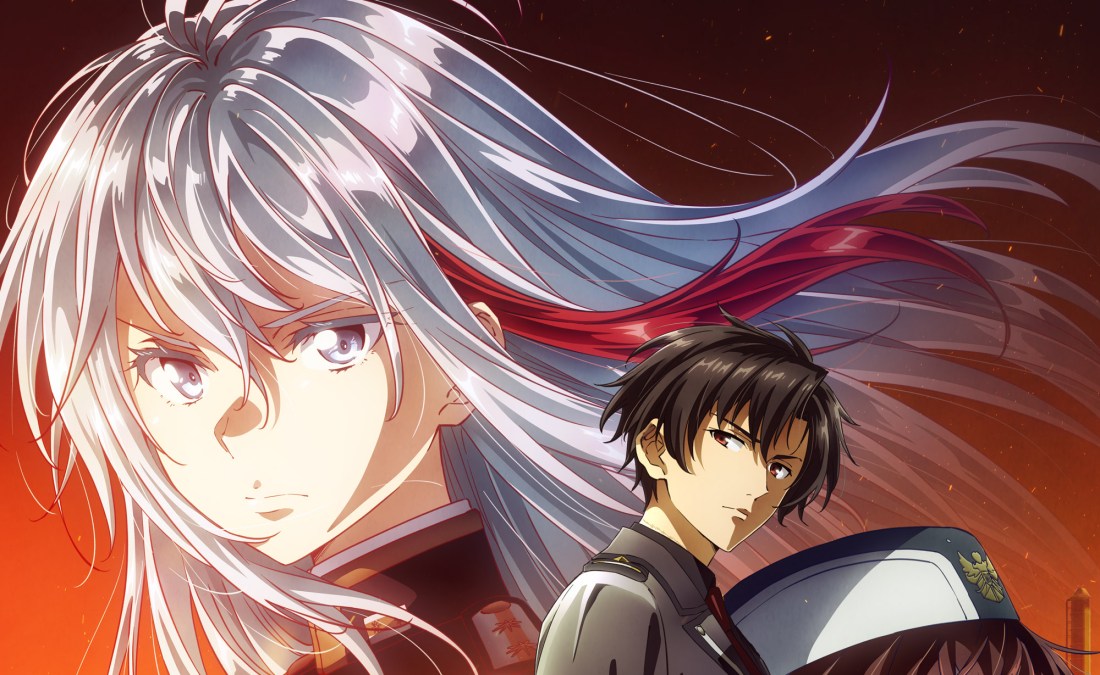


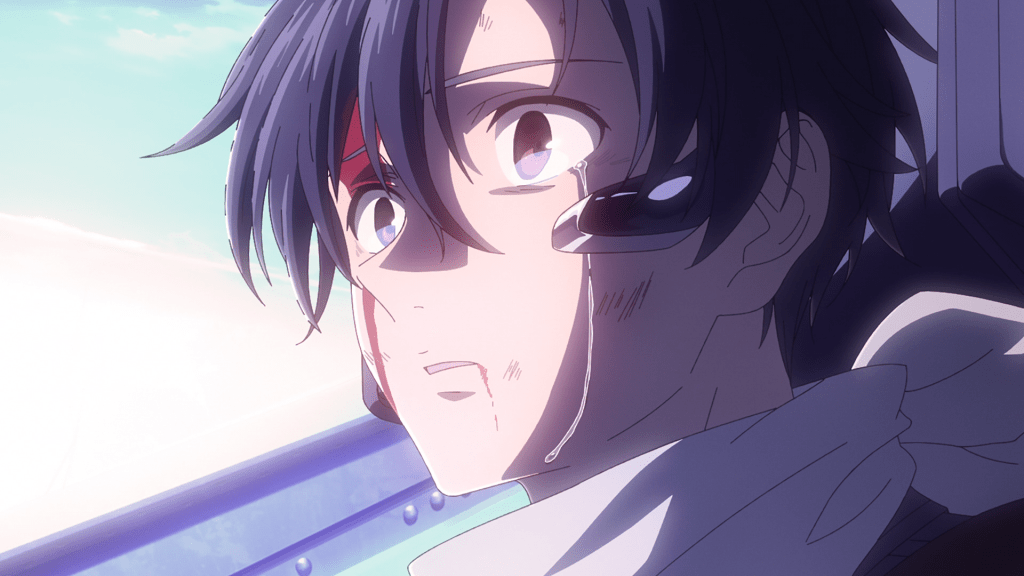
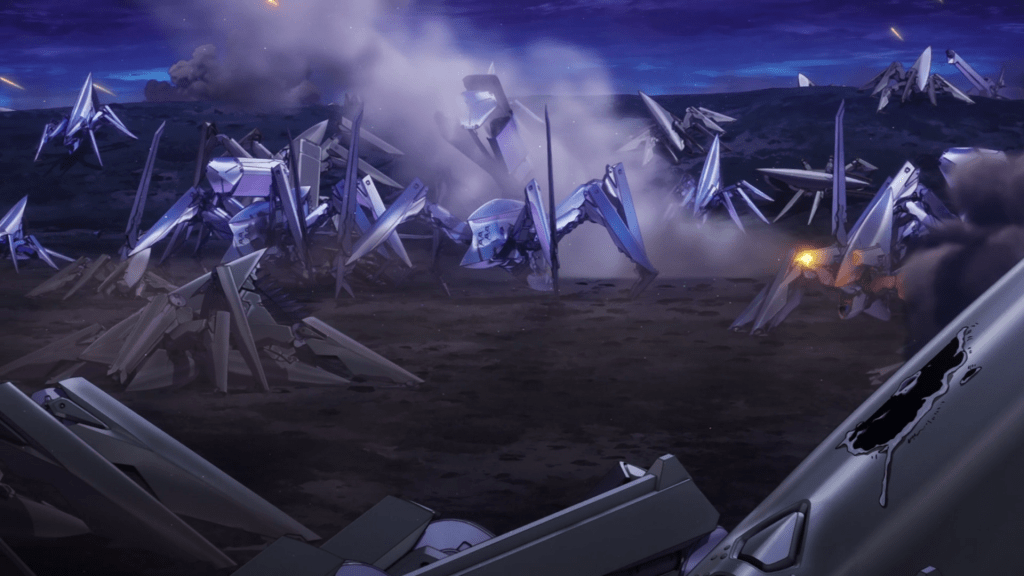

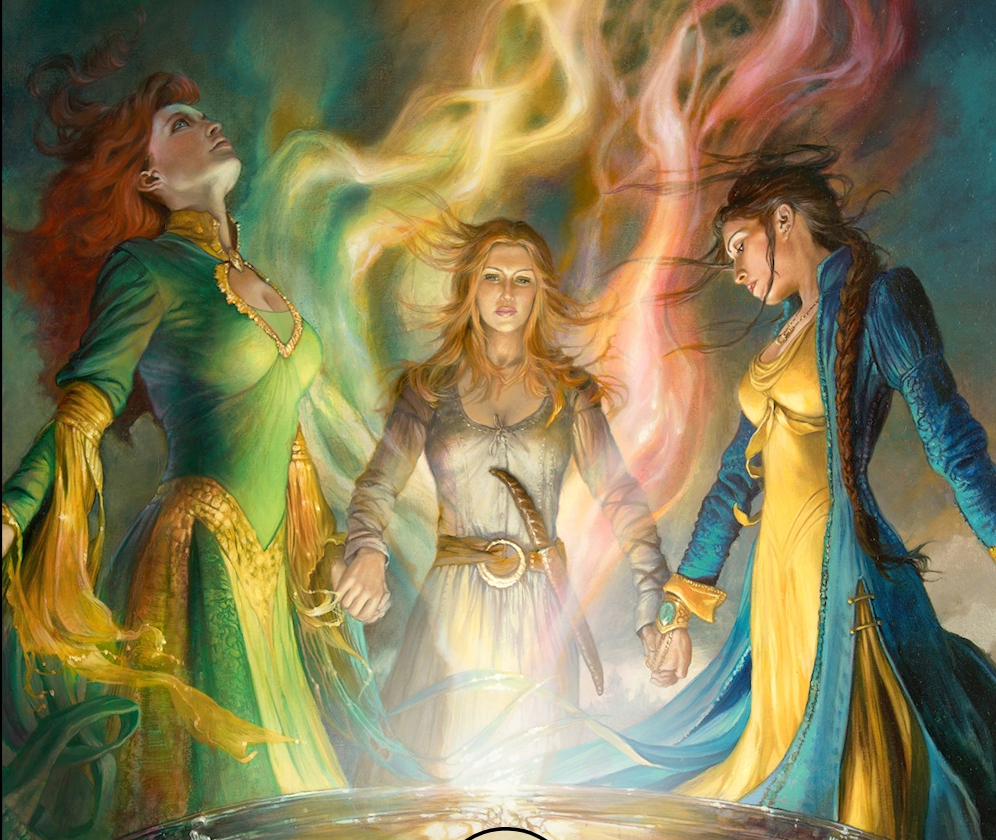
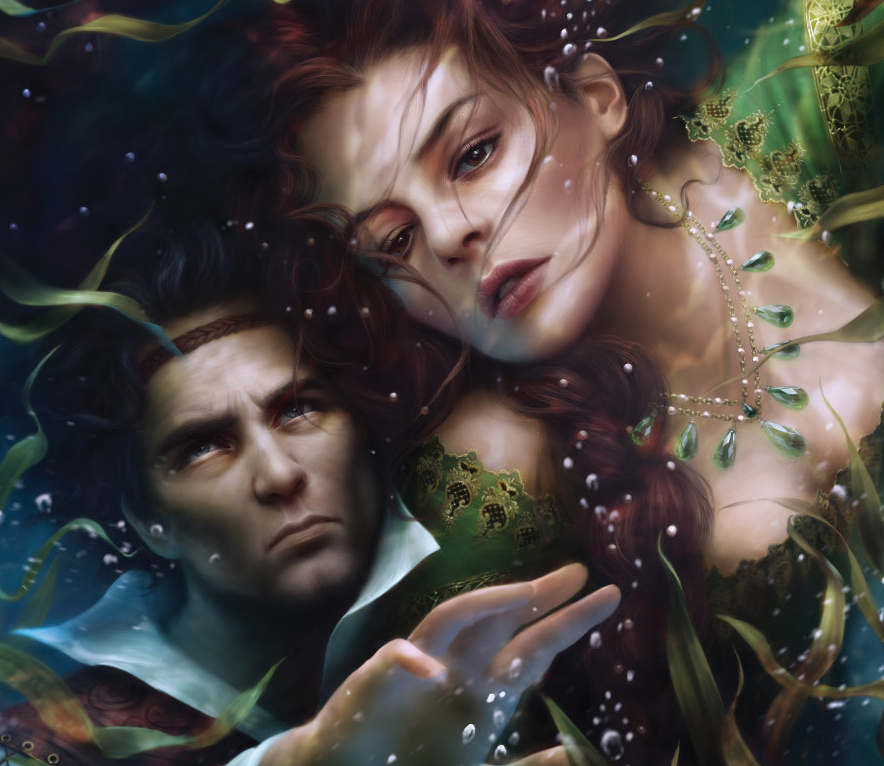
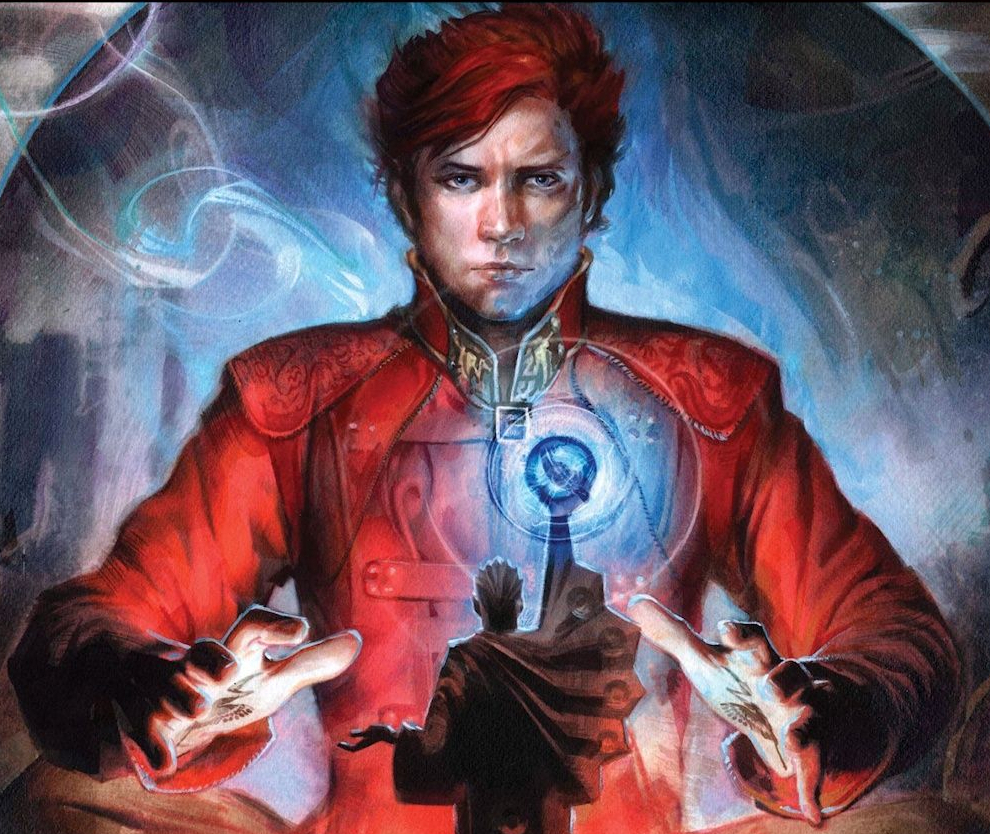
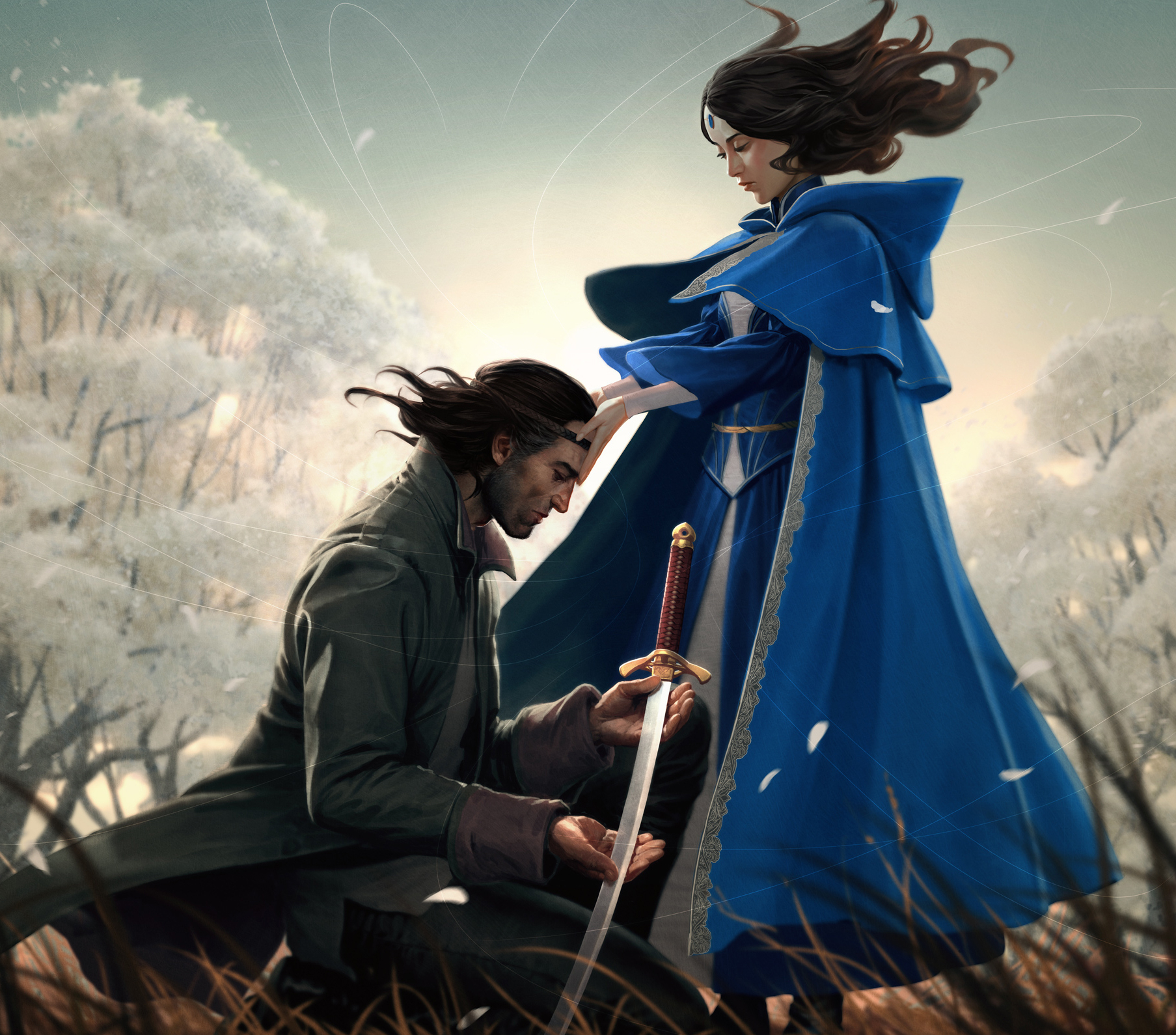




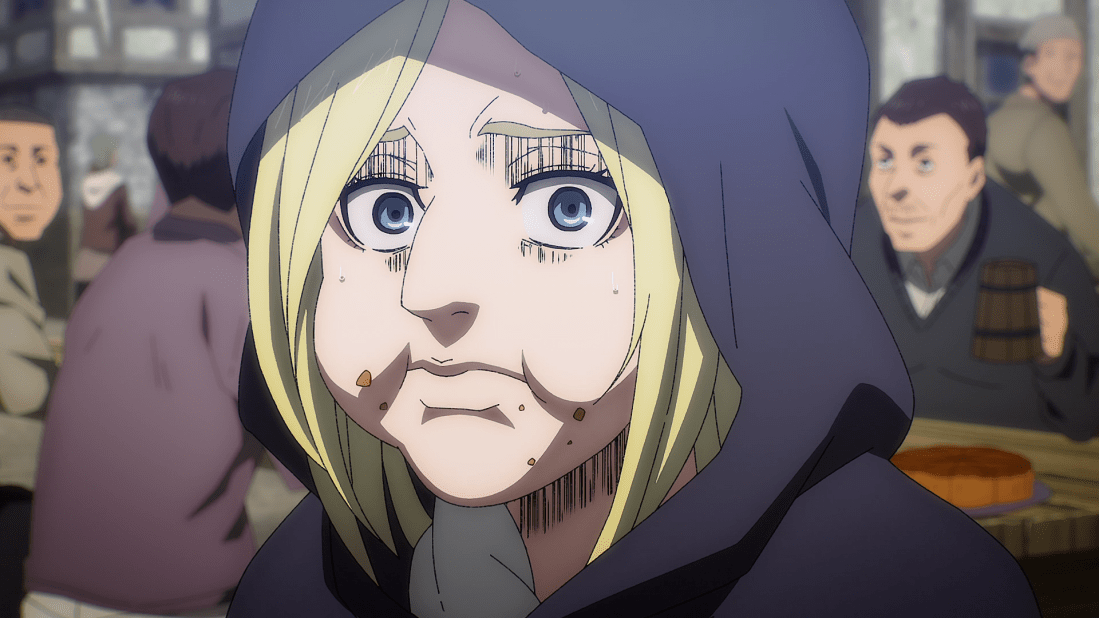
 THE REVIEW MONSTER