I did not care for 2018’s The Predator, to say the least. I disliked it so much that I did not watch Dan Trachtenberg’s Prey for a while, even though I heard it was good. Once I finally gave in and watched the film, I highly enjoyed it and was left anticipating his next installment in the franchise. Well, I recently saw Predator: Badlands in theatres and, I have to say, it is definitely my favorite since the original Predator. Departing from the series’ usual formula, the main character is not a human being hunted by the Predator, but the Predator himself. Dek (Dimitrius Schuster-Kolomatangi), is a runt among his fellow Yautja, so decides to prove himself by travelling to the most dangerous planet in the galaxy, where he plans to hunt down the supposedly unkillable Kalisk.
This movie has the Predator facing off against a bigger threat.
Going into the movie, I was wondering if it could succeed in making me sympathize with the alien, considering how often we see them hunt humans in the series. Well, the movie succeeds in spades, with the opening ten minutes doing an excellent job investing you in Dek’s story. Due to a combination of writing, CGI, and the actor’s performance, Dek is one of the best Predators of the franchise.
Despite all the barriers in place, like language and CGI, the beginning did an excellent job of making me feel for Dek.
His journey is not one he can undertake alone, however, for he quickly realizes he must team up with the stranded and damaged android Thia (Elle Fanning) to survive. Fanning does a great job with her performance as well, and her connection with Dek is fun to see grow throughout the film, creating a lot of good humor.
Thia’s joyful nature contrasts well with Dek’s constant deadpan.
Granted, this comedy does sometimes stray a bit too far towards the quippy humor Disney has long overused, but it does not quite crosss the line into obnoxious. This is honestly the only issue I had with the film. The action is fantastic, especially with the CGI, which never drew me out of the movie. Some may be concerned about the lowered rating, but this is only because there are no human characters in the movie. There is still a lot of carnage candy to enjoy, rest assured. Along with this, the soundtrack is also stellar, adding to the film’s intense action sequences and emotional beats.
The soundtrack by Sarah Schaschner and Benjamin Wallfisch absolutely pops off at times.
It is the growth of Dek in his hunt that is the true beating heart of the movie, however, and the ending made me excited to see his story continue. Overall, Predator: Badlands is a hell of a lot of fun. While the original Predator is still the best film of the series by a mile, Badlands is also an easy second place. Now, I just have to find the time to watch Predator: Killer of the Killers.
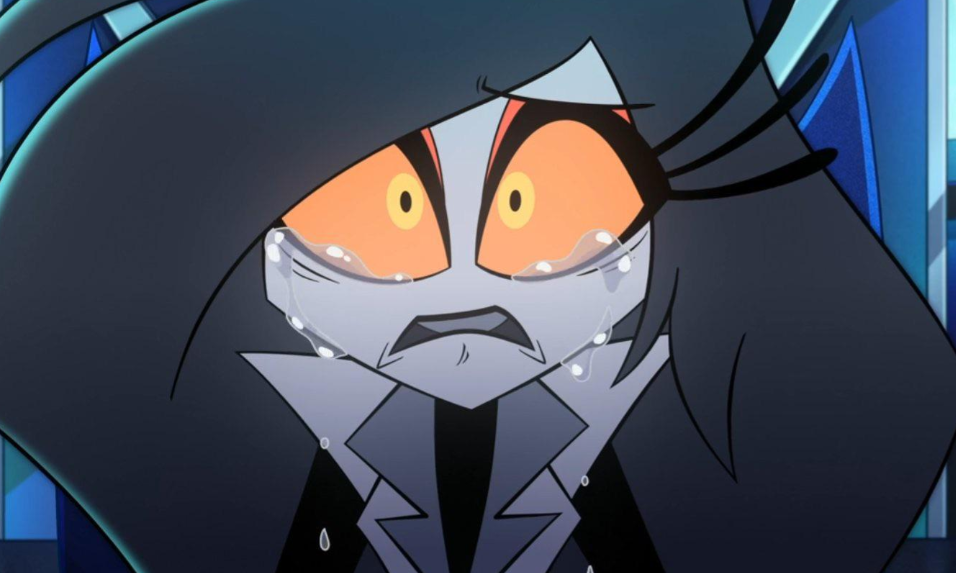
Hazbin Hotel’s second season started strong with its first two episodes. Now episodes three and four continue the formula of the second being better than the first. “Hazbin Hotel: Behind Closed Doors” is still a lot of fun in its own right, though. The episode begins with Charlie in mid-freakout over Emily’s reveal that Sir Pentious has been redeemed. But, if you thought that Charlie’s spiraling would halt because of the good news, this is unfortunately not the case. If anything, Charlie spirals more, making bad decision after bad decision, which only furthers Vox’s plans.
Hopefully, Charlie has learned her lesson about the media after these two episodes.
I have seen some people complain that Charlie is acting out of character here, but I honestly do not see it. Charlie was shown to be an emotional wreak in Episode One following Pentious’ supposed death and, given her personality, of course she overcompensates when learning he is alive in Heaven. This is most likely part of an arc for Charlie, which we will see resolved by the end of the season. Unfortunately, Vox and Velvette are quick to take advantage of Charlie’s character flaw, marching into the Hazbin Hotel at Charlie’s invitation, ready to blacken her name again. They get ample opportunity when Charlie announces Pentious’ redemption but, as we suspected, she is not believed because she cannot prove it since Heaven is in lockdown. Charlie decides to redeem Angel Dust, ignoring his warnings about the Vees. This leads into the song “Speedrun to Redemption”, where Charlie attempts and fails to redeem Angel by following Pentious’ example. The end result is her staging a fake rescue, with Husk tied to train tracks while Angel plays the hero. As for Charlie herself, she plays the diabolical mastermind, Danny Do-Bad. Watching Charlie play at villainy was so over the top and cringeworthy, but oddly enough to such an extreme that it became funny.
NOT DANNY DO-BAD!
Vox turns the scene potentially deadly by interfering, leading to Angel actually having to try and save Husk. Vaggie finally gets through to Charlie, convincing her that Angel Dust needs to be redeemed his own way, but this builds into Vox revealing Angel killed his dad, which was the sin that landed him in Hell. In a similar moment to when Valentino assaulted Angel in Season One, Charlie’s demon form begins to emerge, showing just how much she values her friends. She even manages to get under Vox’s skin, maintaining that she believes anyone can be redeemed, even him. As for whether Vox actually will be redeemed in the future, that is going to take a lot of work given his many sins and current actions. Charlie’s storyline is not the only one this episode because we also follow Cherry deciding to stay at the Hazbin Hotel. Given the romantic tension between her and Pentious, Cherry is hit the hardest by the news of his redemption, going to Baxter for information because he used to work with him. It is here we learn that Baxter was the one who helped Pentious create the Egg Boys, before Pentious took them away to protect them from Baxter’s experiments, and to continue his feud with Cherry. This builds into a song between Pentious and Cherry, reflecting on their many battles titled… “Piss”?
Leave it to Hazbin Hotel to title a love song “Piss”, I guess.
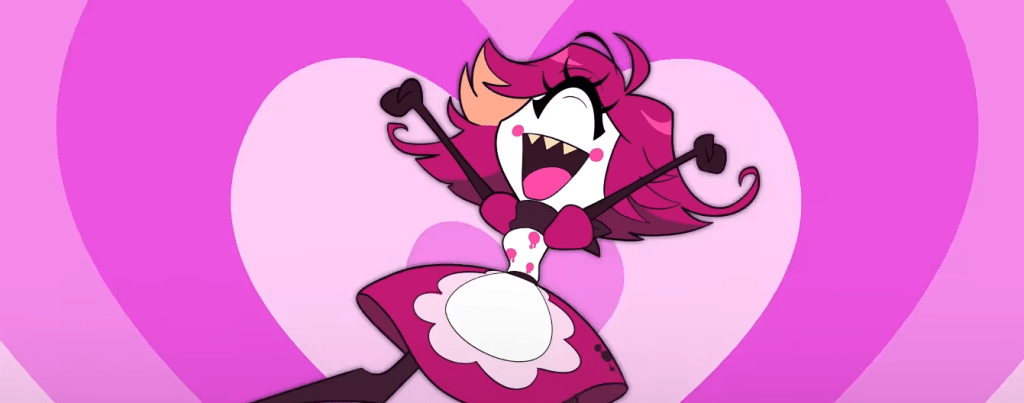
In the aftermath of Vox’s hit piece against the Hazbin Hotel, we see many residents returning their keys to leave, while Cherry takes a key, telling Angel she intends to stay . I look forward to seeing her and Pentious eventually reunite and how their relationship will progress. “Hazbin Hotel: Behind Closed Doors” is another solid episode, but it is far exceeded by Episode Four, “It’s a Deal,” which I would go as far to say is not only the best episode of the season at this point, but the best of the show so far. The episode follows two central storyline’s, Charlie and Alastor’s the first of which is the funnier of the two. Charlie continues to underestimate how badly Vox and his minions can shape a narrative, planning to go on live tv with Nifty to try and change the hotel’s image. It is here Charlie talks with Katie Killjoy who, of course, does everything she can to paint Charlie in a bad light, including making it seem like she wants Sinners to be killed. As a last resort, Charlie calls on Nifty for help, and we get out first Nifty solo song, “Clean it Up.” Not only is this song really catchy, but it is also hilarious.
The Adam Slayer has quite the song.
The first half is Nifty talking about how disgusting the hotel is, which she views as a good thing because she loves cleaning it. The second half of the song is sung entirely in Japanese with an anime style, and it is here where Nifty talks about the actual good qualities of the hotel. What makes this funnier is that Charlie asked her to “help differently” and Nifty interpreted this to mean singing in another language. If Charlie had just let Nifty keep singing in English instead of interrupting her, everyone would have understood the good things about the hotel. Although, there obviously have to be some sinners who speak Japanese, so it would be pretty humorous for a bunch of them to show up at the hotel because they understood Nifty’s message.
I did not expect an anime style song in Hazbin Hotel but I am glad we got one.
As for Nifty believing in Charlie’s dream while thinking Sinners are trash, it makes her even more endearing. In fact, I would go as for to say that Nifty is my favorite character in Hazbin Hotel at the moment. She always gets a laugh out of me, and it is for this reason I love her more than Alastor. This is not to sell Alastor short because he is also fantastic in this episode. Alastor has barely been present in the last three episodes, so I was glad to see him finally get a focus here. After another spat with Lucifer, Alastor decides to quit the hotel, and goes to tell Rosie the good news. Too bad she wants him to stay at the hotel, and he has no say in the matter because she is his soul owner. Yes, the big mystery of who owned Alastor’s soul is revealed to be Rosie. The two seemed like genuine friends in Season One, so I did not see this coming. It changes the whole context of Alastor bringing Charlie to Rosie for help. We also get a reveal of Alastor’s backstory, like we did Sir Pentious’ in Episode Two.
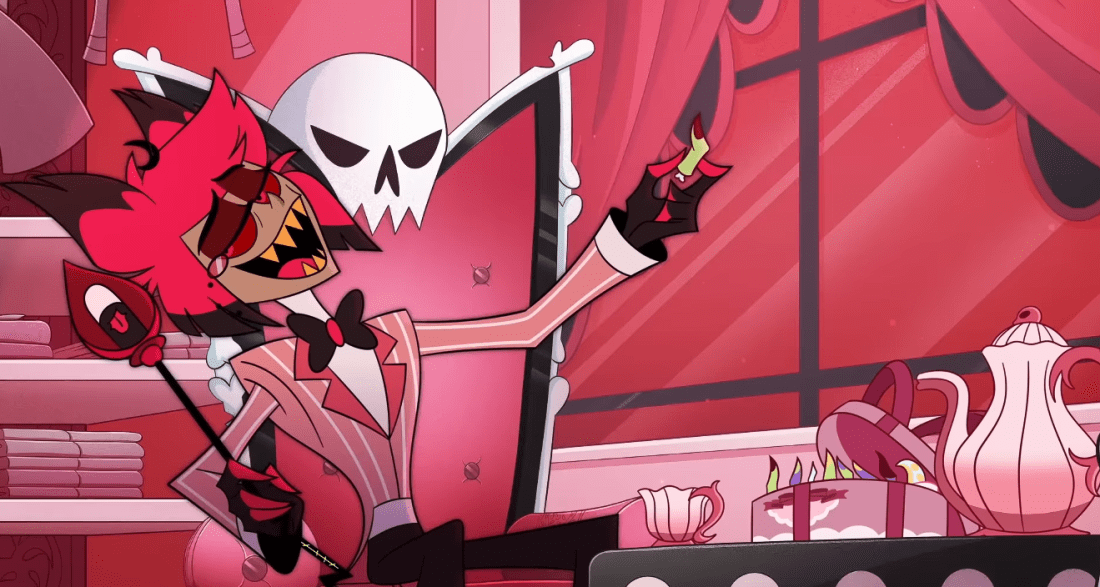
I did not expect an Alastor backstory this quickly, even though I asked for one in my previous review.
Alastor was a radio broadcaster and serial killer in the 1930s, who was mistaken for a deer by a hunter and shot. However, before his death, he made a deal with Rosie for power. In return, he would do some unknown job for her. What this job is, we still do not know, but it is safe to say it has something to do with his presence at the Hazbin Hotel. While answering the question of who owns Alastor’s soul, this twist also raises a bunch of questions about Rosie. Who is she really, and why does she want Alastor to help Charlie? Whatever the reason, I would wager it has something to do with why both Alastor and Lillith disappeared seven years ago. It was also revealed this episode that the Exterminations also then, so something big happened seven years ago that we are not yet privy to. Angered about not escaping his deal, Alastor then comes up with an unknown plan, leading to him confronting Vox, Valentino and Velvette.
This fight is very well animated.
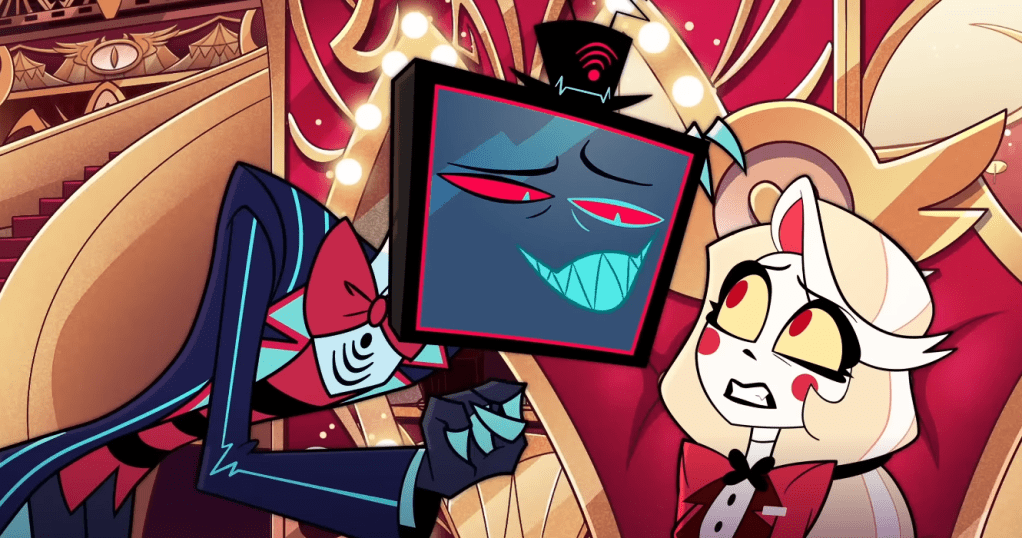
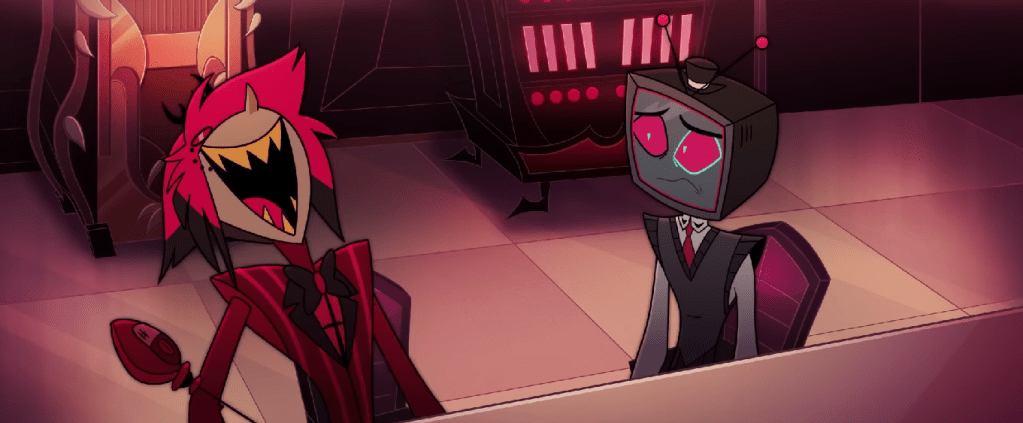
Nifty and Husk also get involved, but the fight ends with Alastor making a deal to be Vox’s prisoner, so long as Vox does not lay a hand upon Charlie. What follows is a barrage of humiliation for Alastor, with Vox dragging him throughout the city, bragging about defeating him. Whatever Alastor hopes to gain from this, it has to be worth the humiliation because there is no way he would subject himself to it otherwise. Perhaps Charlie’s deal to do him a favor will come into play again? But even though Alastor is Vox’s prisoner, he still gets under his skin more than anyone. We get another flashback, this one proving that Vox and Alastor used to be friends. Or at least that is what Vox thought, because the moment he suggests a partnership to Alastor, the Radio Demon laughs in his face, calling him pathetic and weak. I never thought I would feel bad for Vox, but Alastor’s rejection was so cruel it had me temporarily forgetting how terrible of a person he also is.
“The worst he can say is no,” my ass!
It is also pretty funny to think of how hypocritical Alastor is. He judges Vox for needing the Vees while he conveniently forgets he owes his power to Rosie. Back in the present, Vox attempts to regain control through the song “Don’t Your Forget” (itself a reprisal of a song Rosie sung with Alastor earlier), which references Season One’s “Stayed Gone.” The episode then ends with Valentino saying the two should just screw already. While you could cut the sexual tension with a knife in this moment, unfortunately for Vox, Al is asexual. Kidding aside, Episode Four is definitely my favorite of the series so far. It reveals a lot of Alastor lore, has great action, and funny Nifty moments. What more could a Hazbin Hotel fan ask for? Season Two has been great so far, and I hope the quality can continue later tonight with Episodes Five and Six.
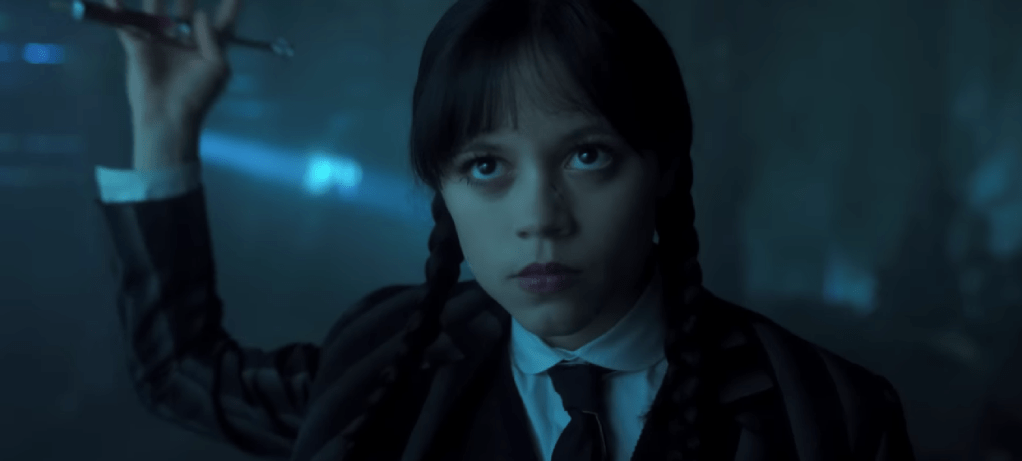
Well, I got around to reviewing this late, didn’t I? I thought that the first part of Wednesday’s second season was a good beginning, and I began the second half with fingers crossed that the quality would continue. Thankfully, by the end I was satisfied. That is not to say the last four episodes do not have their downsides though. Part Two picks up with Wednesday Addams (Jenna Ortega) in a coma, where she learns that Larissa Weems (Gwendoline Christie) is her new spirit guide. Upon awakening, Wednesday now has to deal with her, the escaped Tyler Gaplin (Hunter Doohan), and her vision of her best friend Enid Sinclair’s incoming death. For starters, I will say it was good to see Gwendoline Christie again. Sure, it is pretty convenient for her to be a distant relative of Wednesday, but any excuse to have her back is good enough for me.
Kind of wish they did not spoil her return in the trailer though.
One of my big criticisms of Season Two’s first half was the lack of focus on Enid, considering Wednesday’s entire goal was to save her. It felt weird that most of Enid’s time was spent on a romance with a character who is so boring his name escapes me. Unfortunately, that relationship is still there. Fortunately, the focus is brief and Enid’s friendship with Wednesday takes center stage again. This is best shown through a body swap episode, which gives both the acting of Jenna Ortega and Emma Myers time to shine. They do excellent jobs of portraying polar opposite characters trapped in the other’s body.
Emma Myers does an especially good job of depicting Wednesday’s mannerisms.
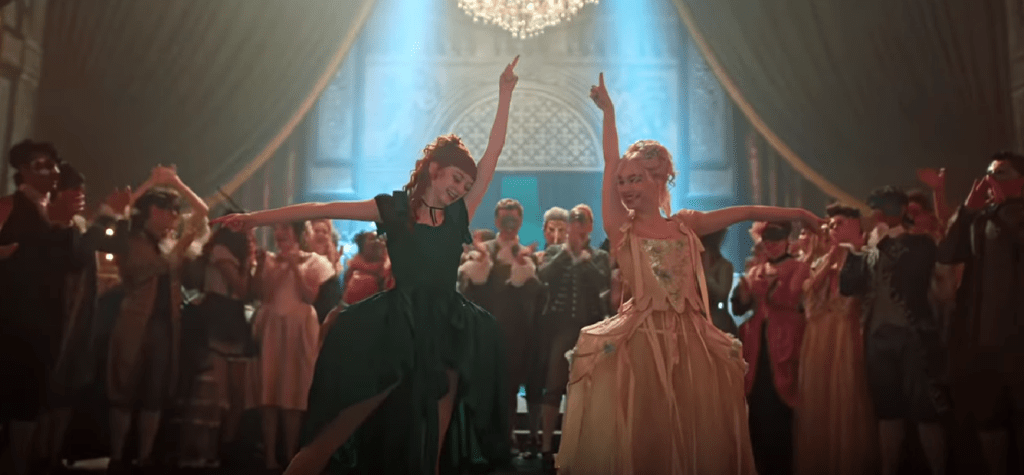
However, while I was glad to see Enid and Wednesday’s friendship receive focus again, I did not really like how the second half of the season developed Wednesday’s vision of her death. It felt kind of handwaved, with the prophecy switching at multiple points throughout the season to the point that it felt of little consequence. Still, for all the negatives of this half of the season, there are plenty of positives. The Barry Dort (Steve Buscemi) storyline unfolds nicely, the humor still gets a laugh, and there is even a dance scene to rival Wednesday’s in Season One, this being between Enid and Agnes (Evie Templeton).
Who would have thought after the first half of the season that Enid and Agnes would share a dance?
Agnes remains a highlight, with her receiving plenty of development, making her by far my favorite addition of the season. Also improved from the first season are the twists, with them being unexpected and lacking annoying red herrings. This makes Season Two easily better than the first for me, overall. While there was still an annoying love triangle, it did not take as much of the focus, and the mysteries were not incredibly transparent.
After seeing both halves, I definitely prefer Season Two.
The upgrade makes me hopeful the show will continue to improve with its third season, especially because Season Two seems to be leading into it well because of a few cliffhanger storylines. Although, as I mentioned in my review of the first half, the inevitable long wait will be annoying.
I found the first season of Hazbin Hotel to be an enjoyable but flawed season. It had fun characters and fantastic musical numbers, but the pacing felt especially off. With the show being a success, I hoped it would convince the bigwigs to greenlight more episodes for Season Two. Unfortunately, we are stuck with eight again this season. To be fair though, that does not necessarily mean the pacing is doomed, since Viziepop could still find a way to craft a completely concise story with eight episodes.
We will have to wait for the rest of the season to release before we find out if the pacing will work.
As for Episodes One and Two of Hazbin Hotel Season Two, they provide a decent start to the season, which has me excited for the extra six. For starters, I actually like how these episodes were structured together, with Episode One showing Hell’s side of the story, while Episode Two shows Heaven’s. That being said, Episode One “New Pentious” is definitely the weaker of the two. In the aftermath of the Hazbin Hotel fighting off Adam’s Extermination, the hotel has received lots of interest but for the wrong reason. Instead of demons seeking redemption, like Charlie hoped, they are all there to kill angels. Well, almost all of them. A demon named Baxter joins the hotel, hoping to prove his hypothesis that redemption is impossible. He is quite similar to Pentious, leading to Charlie constantly calling him that, since she is still grieving her friend. As for Baxter, we do not get enough of him for me to really judge if I like his character or not. And then there are the hotel’s regular residents. It was great to see Charlie, Vaggie, Alastor, Angel Dust, Nifty and Husk again. My favorite of the bunch this episode was absolutely Nifty, with her newfound fame for killing Adam being pretty humorous.
Never change, Nifty, you murderous gremlin.
On the other hand, Vaggie has a subplot with her trying to figure out a new name for herself. I am absolutely convinced this storyline will just end with her choosing to keep the name Vaggie, so the subplot already feels predictable. That being said, if it does ends in a different way I will withdraw this criticism. What I will not be withdrawing is my complaint regarding a specific joke concerning Angel Dust. Back in Season One, we saw how terrible Valentino treated him, so to see a slapstick joke of Valentino repeatedly abusing him felt really out of touch. On the subject of the Vees, they seem to be stepping into their roles of main antagonists this season, especially Vox. The TV Demon intends to use his control of media to manipulate Hell’s populace into turning against the hotel and rebelling against Heaven. This storyline has a lot of potential with its topical relevance to the problems of today’s media. I am also curious to see how Vox intends to take over heaven.
To be honest, I cannot imagine the Vees lasting long against Lucifer, let alone the high-ranking Angels of Heaven.
We see one such Angel at the end of the episode, Emily, who arrives to quickly tell Charlie about Sir Pentious’ redemption before leaving. Charlie screams in response, ending the episode. Her learning that redemption works may seem like a good thing, but one key detail is that Charlie was the only one who saw Emil. It is also later revealed Sir Pentious cannot leave heaven. Therefore, I can see Vox twisting Charlie’s boasting about Pentious’ redemption to be a lie, turning the populace of Hell further against her. But we will have to see. Now that I have the story content of the episode out of the way, I will discuss the musical aspect. “New Pentious” has two musical numbers, “Hazbin Guarantee (Trust Us)” and “Once We Get Up There.” “Hazbin Guarantee” is my favorite of the two, with a great contrast between Charlie failing to get clients with her songs of hope, and the Vees succeeding with their manipulative lies.
The Vees are easy to hate because of how they use and then throw people away as if they were things.
As it stands, “New Pentious” is a good episode, but “Storyteller” is even better. I will start with the songs this time; Episode Two having three of them, “Like You”, “Sera’s Confession”, and “Gravity”. Going from weakest to best, “Like You” does a good job of showing Pentious’ situation in Heaven, and how he just wants to get back to his friends. “Sera’s Confession” succeeded in making me invested in Sera, due to the exploration of her moral conflict. But by the far the best song is “Gravity”. This number was teased a while back, and you can absolutely see why it was chosen to advertise Season Two. Lute’s rock ballad with a hallucinated Adam is incredible to watch and listen to; already being the best song in the season thus far.
“Gravity” crushes it, pun very much intended.
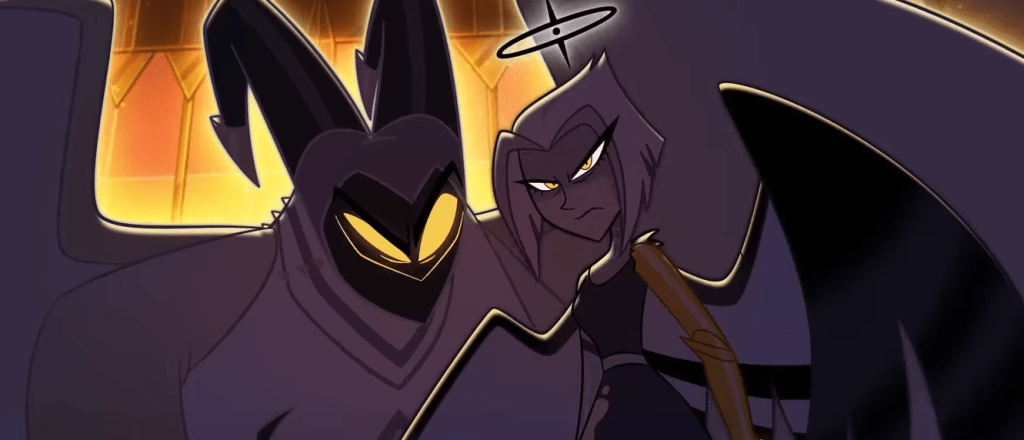
Getting back to the story of the episode, it opens up with Pentious on trial after appearing in Heaven. Things look bad for him until the Speaker of God arrives and gently asks him to tell his story. We flashback to the 1800s when Pentious was alive and it is revealed he knew who Jack the Ripper was but failed to report him, resulting in the deaths of five more women. His failure to act damned him to hell, until he redeemed himself by risking his own life to save his friends, exactly the sort of thing he should have done for those women. I loved the exploration of Pentious’ human life, and I hope we get more for other characters. Vox was revealed to have been a cult leader in Episode One, but I want to see what made Nifty so crazy, and just what the hell Alastor’s deal is?
More backstories like Pentious’ please?
Pentious is released after his redemption is revealed, and the episode then follows Emily guiding him around Heaven, Sera trying to decide Heaven’s next move while dealing with her guilt, and Lute planning revenge while being absolutely pissed that Adam’s son Abel got the position of Exorcist leader over her. The one time nepotism paid off, I guess. Sera also tells Lute to back off Lillith, and we later see the woman herself ignoring Charlie and Lucifer’s texts, so the mystery around her is still ongoing. The end of the episode ties in with the conclusion of the previous one, with Emily rushing off to tell Charlie about Pentious’ redemption before Sera closes Heaven off. Overall, “Storyteller” is the better episode of the two. It has great character work, especially for Pentious, Sera and Lute, and incredible songs, most notably “Gravity”. As for where Season Two goes now, the Vees are probably going to stoke tension further between Heaven in Hell, which will lead to some confrontation with Alastor, as seen in the trailer.
The eventual fight between Alastor and Vox should be hype.
Whatever comes next, though, whether it be good or bad, I have no doubt that we will be getting more excellent songs to jam to. I already look forward to hearing these musical numbers when episodes Three and Four air next week.
There was a rather strange disconnect between English speaking and Japanese viewers in regard to their opinions on the first season of Chainsaw Man. Many English speakers, myself included, loved the first season, especially with how it paid homage to various aspects of film, which the mangaka Tatsuki Fujimoto is a big fan of. However, the Japanese viewers’ reactions were mostly the complete opposite. There was a lot of hate directed towards the first season, due to the style being seen as different from the manga, and a few other reasons I do not quite understand. Therefore, for the movie continuing Chainsaw Man’s story, it was decided a different director would take on the job with a different animation style. To be honest, I was a bit concerned with what I would think about the new art style, since I really liked the old one. Today, I got the chance to sit down in a theatre and watch Chainsaw Man – The Movie: Reze Arc and see this change for myself.
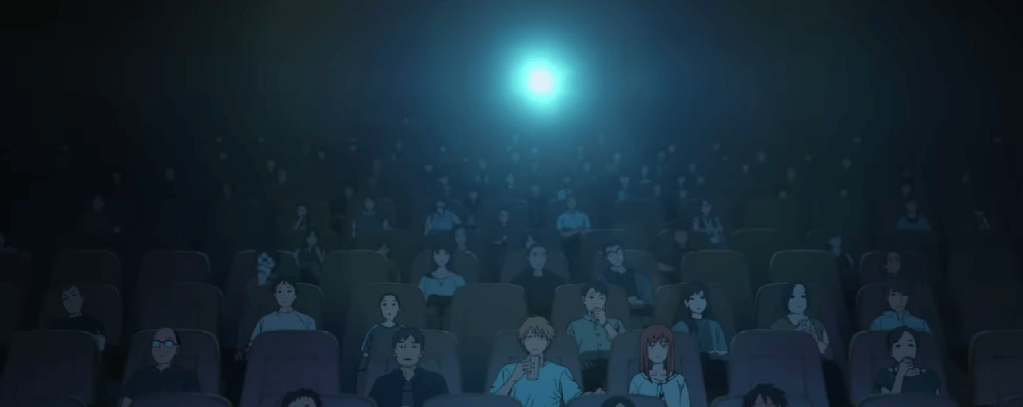
Kind of fitting that the arc chosen for a film has a scene where Denji and Makima go to see multiple movies.
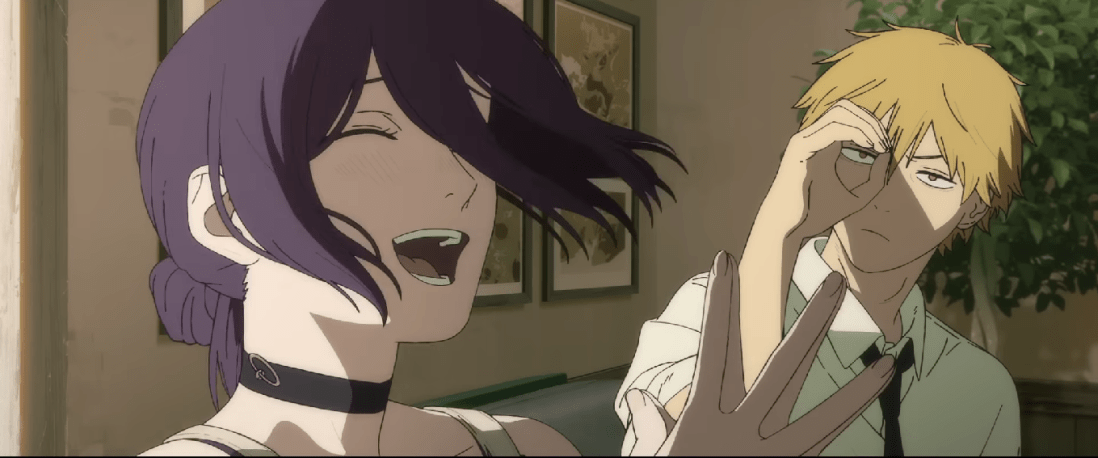
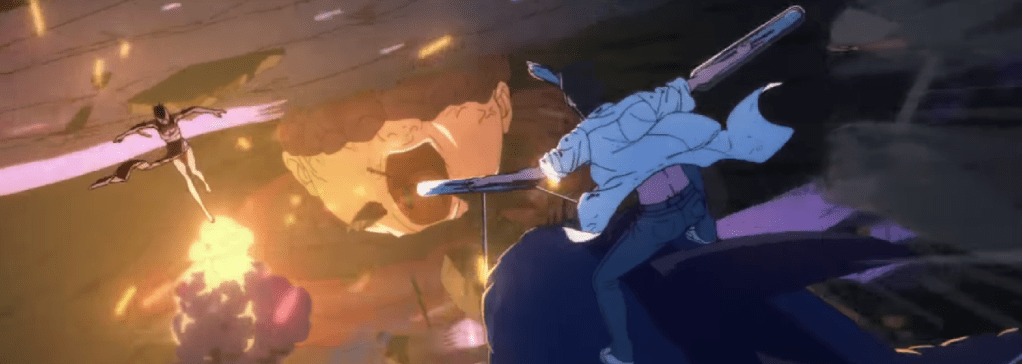
You can imagine my relief when I absolutely loved the new style and actually think it is better than Season One’s. That is not to sell the old art style short, but the new one has so many unique moments, with many shots looking like a manga panel brought to life. Along with this, the animation quality is incredible. Whether the scene was a slow, thoughtful one, a comedic one, or an action extravaganza, I am sure you could pause the movie at any point and end up with a great shot.
See?
Likewise, the music and sound design are top notch, with the sound of explosions being particularly gripping to hear in the theatre. And then there is the voice acting. Everyone from the First Season does a great job, as expected. Kikunosuke Toya brings the perfect mixture of emotion and comedy to his portrayal of Denji. Tomori Kusunoki makes Makima sound creepy as ever. Then there is the new voice on the block for Chainsaw Man, Reina Ueda as Reze. Talk about perfect casting for the character. Because of her and Toya’s performance, Reze and Denji have great romantic chemistry, making the events that play out later in the film both tragic and epic to witness.
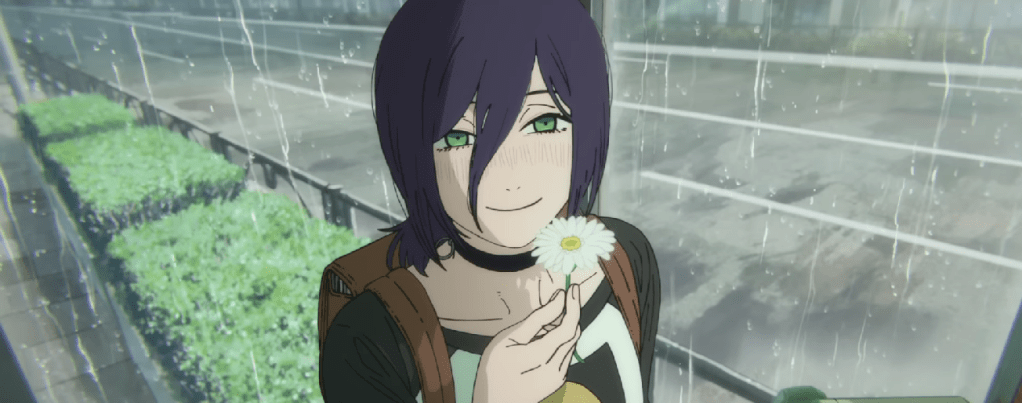
It was a joy to see Reze finally animated.
All in all, The Reze Arc is a fantastic adaptation of the storyline from the manga. The portrayal of its two leads is excellent, and the animation style, its quality, the music and sound design are all peak. I am honestly so glad that they chose to adapt the Reze Arc as a film instead of in an episodic format. Watching Chainsaw Man on the big screen really reminded me of my love for Part One of the story. I cannot wait to see the rest of this adaptation, whether that be with more movies, or another season. Unfortunately, we will probably have to wait years to find out which format it will be. Oh, well, at least Chainsaw Man is still going strong with Part Two, so us fans of Tatsuki Fujimoto’s work are not starved for content.
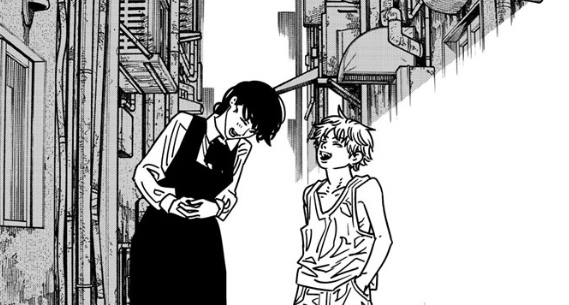
Every Chainsaw Man fan remembers the door reveal from Part One of the story.
Tatsuki Fujimoto did an excellent job of building up to the reveal that Denji was the one who killed his father.
Now, over 100 chapters since that reveal, Fujimoto has revealed another door twist, only for Asa instead of Denji.
And, whereas the reveal in Part One was a moment of trauma, the reveal in Part Two is a moment of healing.
Chapter 217, “Two Good People” begins with the aftermath of Asa finding her mother after running down her dream alleyway.
Asa reveals to Denji that when she was little, a Devil came out of the river and cut off her father’s leg before her mother killed it.
Asa ran to get help, tripping along the way, only to find upon her return that her own mother had murdered her father.
She did this because Asa’s father was an abusive drunk, who was cheating on her, although there was also some financial incentive, since Asa’s mother tells her the money from his life insurance will help her go to school.
The reveal of what happened to Asa’s father was a great bit of misdirection from Fujimoto.
At the beginning of Part Two, we are told that Asa’s parents were killed by a Devil.
We then see Asa’s mother and a man being killed by the Typhoon Devil in a flashback.
Back then, I assumed the man was Asa’s father, but I did find it odd that Asa seemed to remember her mother more than him.
Now, it makes sense because her father died at a different time and was abusive.
Asa tells Denji she does not know if her mother’s actions made her a bad person or not, before explaining that she tripped on purpose while running for help, hoping her father would die.
This raises questions about how many times Asa tripping in the past has been intentional.
Asa asks Denji if he thinks she is a bad person for what she did and Denji responds, “I killed my dad and made it look like a suicide… but I’m a good person.”
Never did I think a character confessing murder could be positive development.
All the way back when Denji remembered what he did to his father, he hated himself, believing he did not deserve to live a normal life.
Now, here he is telling Asa that he is a good person despite what he did, cheering her up to the point that the two break out into laughter, while Yoru and Pochita continue their fight in the real world, ending the chapter.
Denji turned this potentially traumatic moment for Asa and used his own experiences with it to turn it into a moment of healing.
The two of them really are made for each other.
They have similar, traumatic pasts but they use that to bring out the best in each other.
“Two Good People” is a great chapter, which provides a lot of growth for its two lead characters.
Its uplifting ending, despite the subject matter, made me even more excited for the Chainsaw Man movie, which is finally releasing in my country this week.
I already have my ticket booked and you can expect my review for it after I see the film.
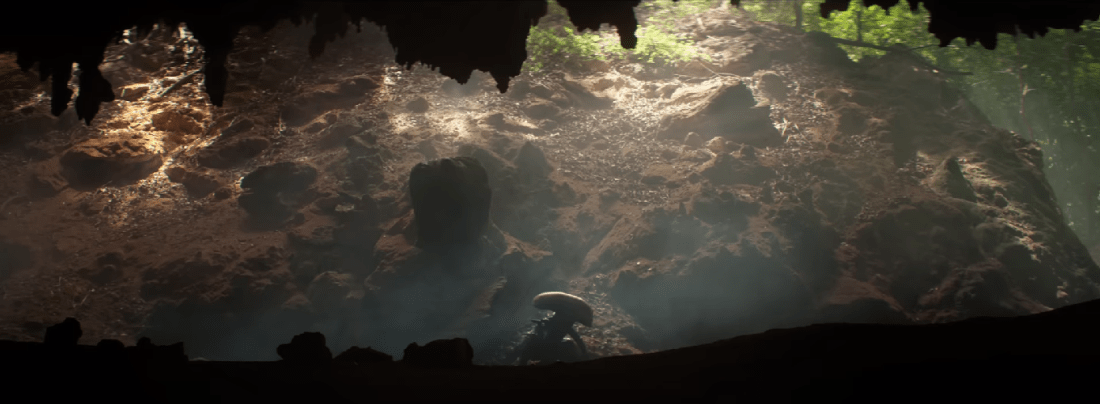
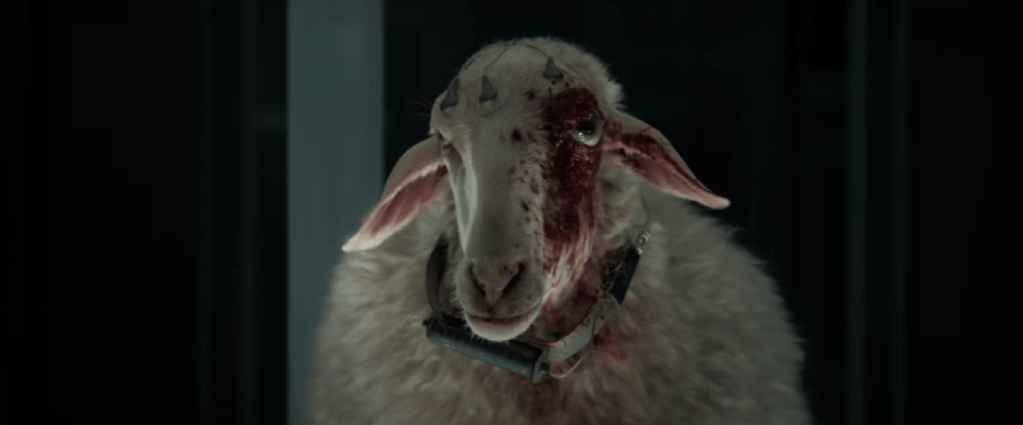
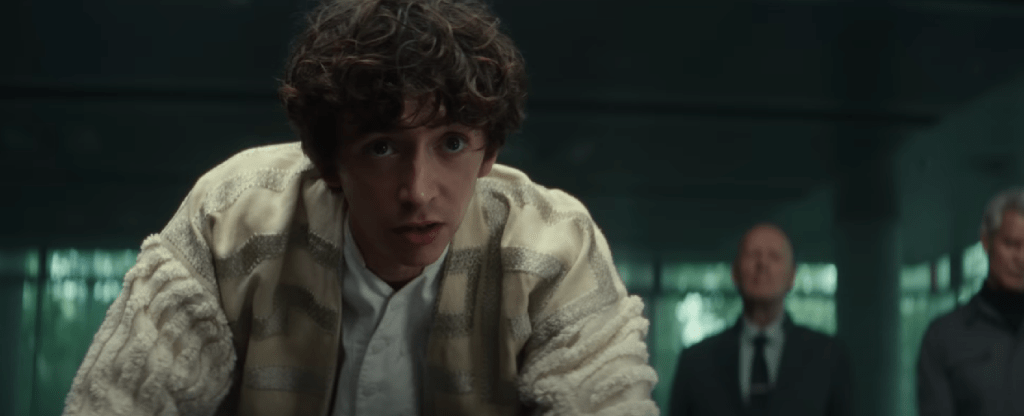
The Alien series has had a resurgence with the recent success of Romulus, and the newly released Alien: Earth developed by FX. Created by Noah Hawley, Alien: Earth is set a few years before Ellen Ripley had her first encounter with the iconic and terrifying Xenomorph in the original movie. The corporation known as Prodigy, run by the declared “boy genius” Boy Kavalier (Samuel Blenkin), is experimenting with immortality, attempting to transfer human consciousness to android bodies. Their first test subjects are a group of terminally ill children, whose minds are transported into the adult bodies, before they are given new names based off characters from Peter Pan. At the same time, a Weyland-Yutani ship carrying five invasive species from different planets, including the Xenomorph, crashes on Earth in a city owned by Prodigy. Wanting to recover the subjects, and test out his new toys, Boy sends the children to retrieve Yutani’s property, led by Wendy (Sydney Chandler). However, Wendy has her own goals, wanting to rescue her brother Joe (Alex Lawther), who has been sent on a rescue mission to the crash site, unaware of the monsters that lurk inside.
Wendy’s goal is to protect her brother, but she encounters many terrifying monsters along the way.
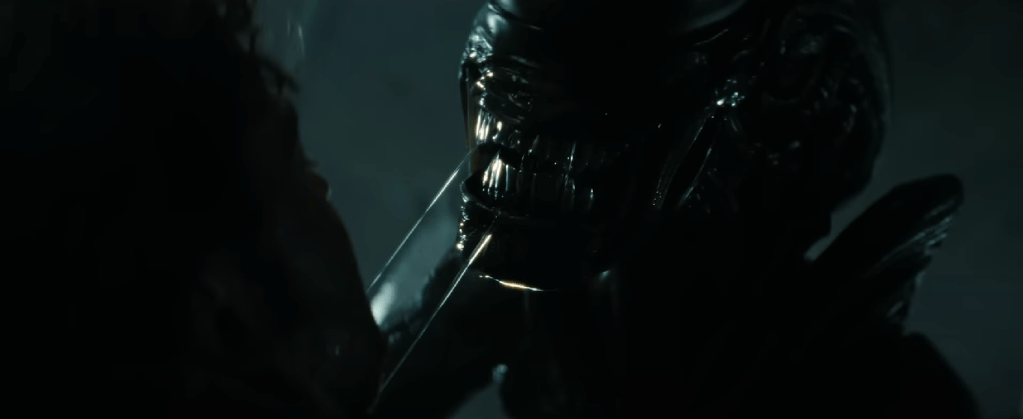
Alien: Earth has a fantastic premise, and I was very intrigued to see how it would all end when I started watching. The show definitely leaves a great first impression, with gripping commentary on what makes someone human and the dangers of corporations, while also having awesome Alien content. The Xenomorph is an absolute menace in the first few episodes, as it wreaks bloody death upon all it encounters. That is not to sell short the other newly introduced alien species in this show because they all have horrifying ways of killing their victims. By far my favorite (and I am sure a lot of other people’s favorite) new alien is the T. Ocellus, a parasitic species, which rips out its host’s eye and then takes its place, controlling the body from there.
I hope we see more of T. Ocellus in the Alien series.
The practical effects and the CGI for these aliens, both old and new, are all great. Just as amazing are the performances, across the board. The actors for the hybrids, Wendy, Slightly (Asah Gourav), Smee (Jonathan Ajayi), Nibs (Lily Newmark), Curly (Erana James), and Tootles (Kit Young) all do fantastic jobs of portraying children transferred into adult android bodies. Samuel Blenkin is also perfectly detestable as the narcissistic Boy Kavalier. I spent most of the show just wanting to punch his smug smile.
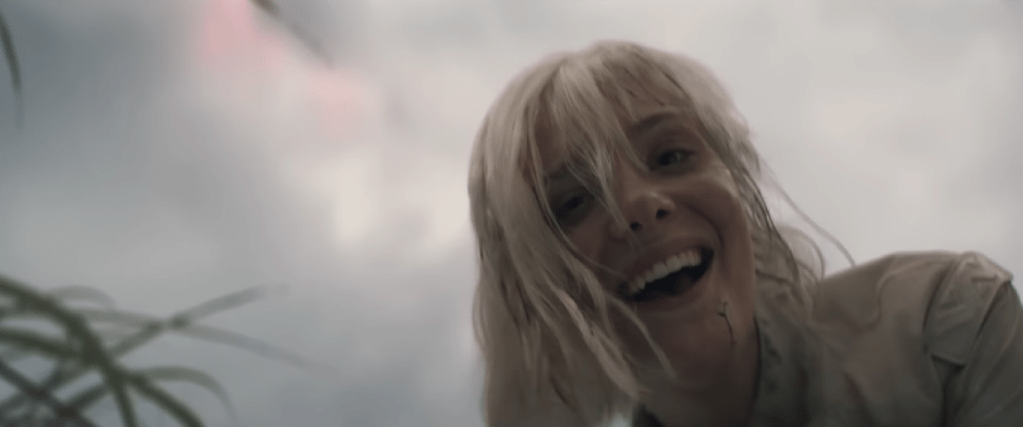
And will someone get this man some goddamn shoes? What is this show, directed by Quentin Tarantino or something?
However, my favorites of the cast are definitely Timothy Olyphant as the android Kirsh, and Babou Ceesay as the cyborg Morrow, with the two of them having an excellent rivalry throughout the show. Morrow is especially excellent, given his time to shine as the star of Episode Five, which is the best of the series so far. Although, one criticism that you could level towards this episode is that many of the characters (excluding Morrow) are monumentally stupid. But, hey, I guess if they were smart the aliens would have never got loose and there would be no story.
Morrow is the only smart guy in a ship full of idiots.
Unfortunately, I have what I feel are far more valid criticisms as the show progresses. First of all, there is Wendy. I like her and think she is a well written character. The issue I have is that she is ridiculously overpowered, especially for an Alien story. She has multiple incredibly powerful abilities, and it is never explained how she got them. Thus, when the final episode rolled around, I held no fear for her safety because I knew she could power through whatever threat she faced.
Wendy absolutely needs to be powered down if Season Two is going to have any stakes.
She and the android hybrids are definitely the main focus of the series, which is my second criticism. This show is called Alien: Earth after all, but the aliens definitely play second fiddle to the hybrids, with the Xenomorph being less threatening by the end as a result. Finally, there is the last episode of the season, where nothing is resolved and it ends on a massive cliffhanger, which we will probably have to wait years to follow up on. Going into Alien: Earth, I thought it was going to be a limited series. I honestly think I would have preferred it to be so. Then we would have a complete story where the conflict is resolved. Instead, we got a finale with multiple issues and a cliffhanger ending which delivers no satisfaction for lingering questions.
The first half of Alien: Earth is way better than the second.
Ultimately, I will still watch a second season if it happens. I am invested in the characters and creatures, so I want to know what happens. That being said, I hope they learn from the mistakes of the first season and make Wendy less overpowered, put the Aliens forefront and, for the love of god, offer some resolution with their ending this time. I recommend Alien: Earth but definitely be prepared for disappointment with the way it concludes.
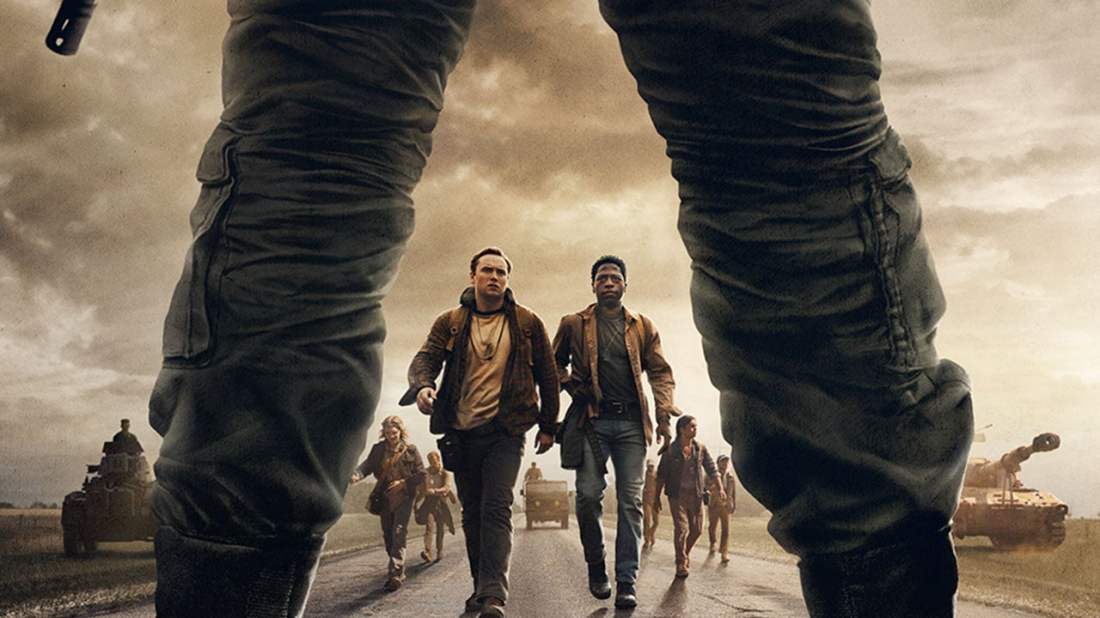
If you ask any Stephen King Fan what the name of the first novel he wrote is, I believe the majority would say Carrie. However, while this was the first book King published, it was not the first he wrote. No, that honor goes to The Long Walk, which was eventually released under the pseudonym of Richard Bachman. Many decades after the novel’s release, we finally have our first adaptation, directed by Francis Lawrence, and, man, it is depressing.
Although often tragic, The Long Walk also has a beautiful message about brotherhood.
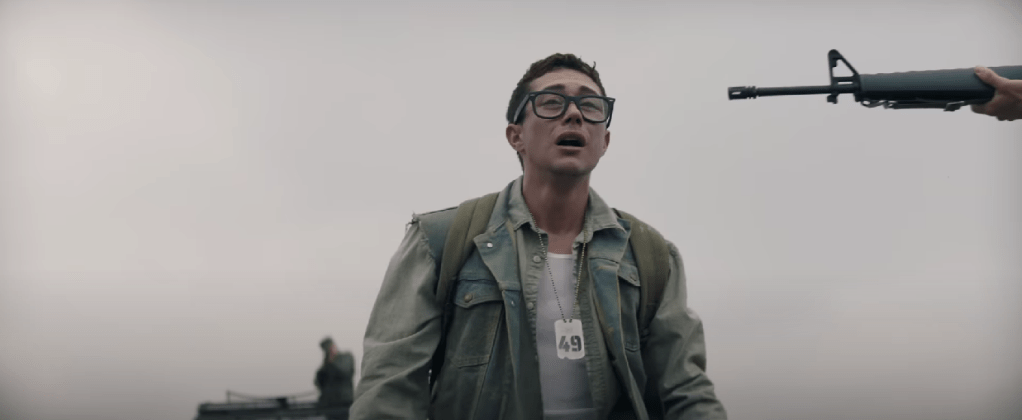
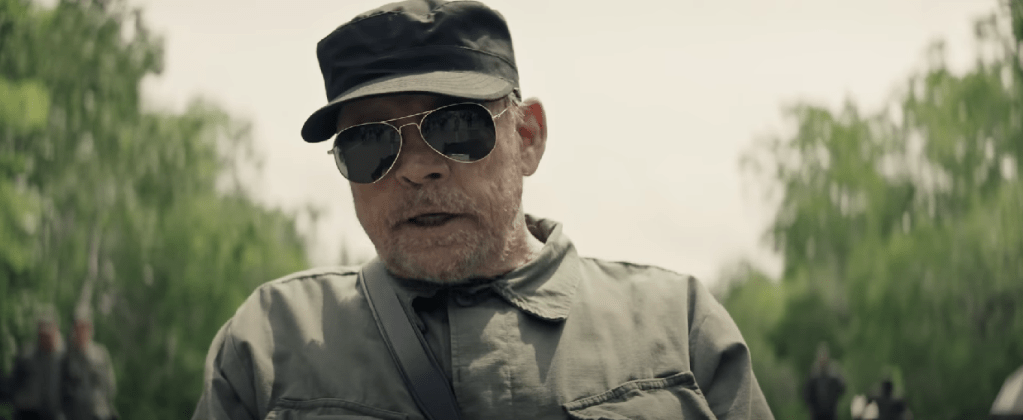
Set in a dystopian version of America, The Long Walk is a competition where 50 young men are chosen from 50 states to walk continuously at a pace of three miles per hour. If they fall below the speed three times in three hours then, in the words of Mark Hamill’s villainous Major character, “You get your ticket.” In simpler terms, you get your brains or guts blown out in a grim and gory fashion.
The deaths in this movie are unflinching in their brutality.
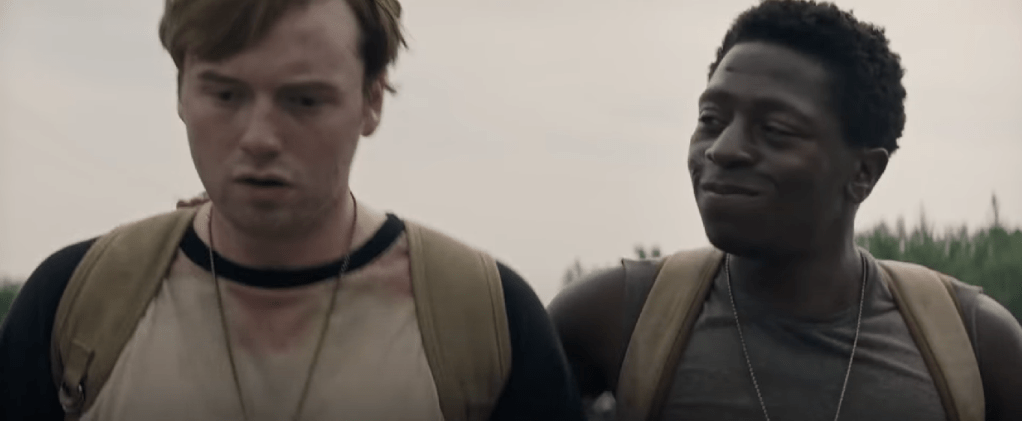
Joining The Long Walk this year is Ray Garraty (Cooper Hoffman, son of the late great Philip Seymor Hoffman), who has joined the life-or-death competition for very personal reasons. However, over the exhausting days of his journey, he unexpectedly finds a close camaraderie and even brotherhood with his fellow walkers. This makes the inevitable, gruesome demises of these characters all the more gut wrenching, leading to various emotional sendoffs.
This does not stop the Major from glamorizing the deaths, making him all the more detestable.
Hoffman is excellent as Garraty, and every other actor in this film does a similarly great job. There are two I want to highlight though. The first of these is David Jonsson as Peter McVries, the man who grows closest to Garrity during The Long Walk. Jonsson was one of the best parts of Alien: Romulus and this trend continues in The Long Walk. The second actor I want to praise is Judy Greer, who plays Garrity’s mother and delivers some of the most gut wrenching acting of the film in her few scenes.
Even though she does not have much screentime, I would say Greer is the standout.
As I mentioned before, the deaths in this film are gruesome, made all the worse by how likeable the characters are. Their deaths range from shocking, to abrupt, to heroic, to even one of the most undignified deaths I have seen put to film (trust me, you will know what death I am talking about when you see it). All of this builds to a crushing ending, which diverts from the book, and leaves a lot to interpret.
The film ending is a very different experience from King’s novel.
Personally, I liked the change and have my own interpretations of what it all means. Overall, The Long Walk is one of the best films of the year. It is full of great characters with fantastic performances, whose constant deaths get you emotional. That being said, while The Long Walk is a great film, it is certainly not an experience which generates much happiness, so I cannot imagine myself rewatching it that often. Still, if you are looking to be emotionally destroyed, The Long Walk is the film for you.
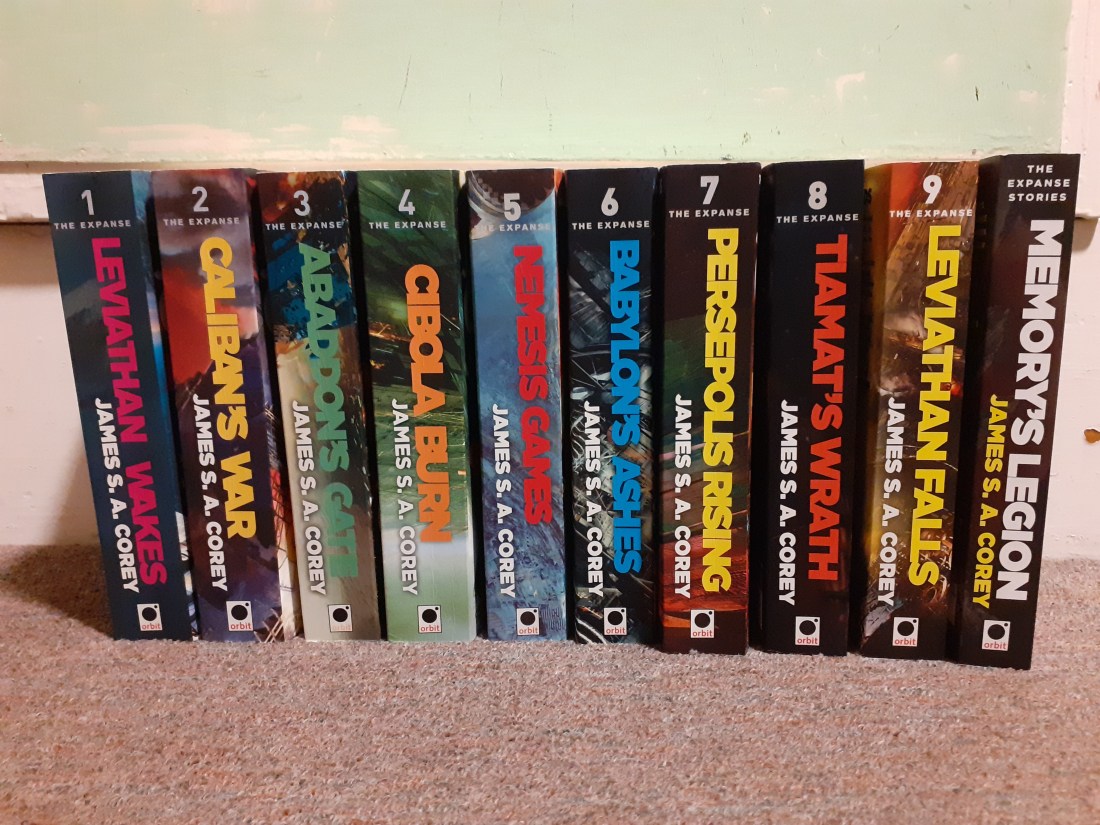
There are many different, highly praised sci-fi series out there, so many, in fact, that it is often difficult to decide which one to dive into next. Sometimes, all you need is the right push at the right moment to get into another great series. For me, the push to read James S.A Corey’s The Expanse was the reveal of the upcoming Osiris Reborn videogame by Owlcat Games. I rocketed head-first into this spacefaring epic, ultimately finding the burn of the journey more than worth it. And wouldn’t you know it? The Expanse consists of ten books. So, what better way for me to celebrate finishing this amazing story than to rank them from weakest to best? Keep in mind before reading, this ranking will contain spoilers for the entire series, so only continue if you have read all of the books. With that warning out of the way, here are my top ten books in The Expanse, starting with…
10. Book Three: Abaddon’s Gate.
The third book in The Expanse is the one I ultimately got the least enjoyment out of reading. That is not to say the novel is completely without merit though. Jim Holden remains an interesting protagonist, and his connection with the Protomolecule Miller is quite compelling, especially with how it leads to the Ring Gates opening. It was Abaddon’s Gate which made me understand why this series was called The Expanse, with the doors to thousands of planets being opened. For me, though, the best moment in this book was the death of Sam. I found it to be an abrupt and disturbing moment, which left an impact. Now we get into my negatives, most of which stem from the other point of view characters. Bull and Ana make for fairly average POVS but they are nothing offensive. The real problem emerges with the fourth and final POV character, Clarissa Mao. Her whole shtick is that she wants to get revenge on Holden for locking her father away in the previous book. The thing is, her father is a terrible person, who funded experimentation of an alien bioweapon which killed millions, including Clarissa’s own sister. Not only that, but Clarissa intends to get revenge on Holden by framing him for a terrorist attack she commits, leading to many more deaths. On paper, this makes Clarissa sound like a villain we could love to hate. Unfortunately, she is supposed to be seen as redeemable. This makes every single chapter we spend in her head insufferable to read through. We have to suffer her murderous hypocrisy, all the while characters like Ana insist she can be saved. Speaking of, this also makes the story predictable. The moment Clarrisa joined Ashford’s coup, I knew the conflict would end with Ana convincing her to change sides, thus redeeming her. Sure enough, that is what happened, removing a lot of the stakes since I could see where the story was going from a mile away. Thankfully, Clarissa becomes tolerable in later books, but her introduction in Abaddon’s Gate was so unbearable to read through that it shot the book all the way to the bottom of this list. Still, I would not say Abaddon’s Gate is a bad book. It is just my least favorite in The Expanse.
9. Book Six: Babylon’s Ashes.
After loving Nemesis Games, I went into Babylon’s Ashes excited for the story to come. Unfortunately, I finished the book rather underwhelmed. For one thing, this was the first book in the Expanse to expand the POV chapters beyond four characters. However, instead of expanding the story in interesting ways, it left the novel feeling bloated. So often, Babylon’s Ashes cuts to a character we have never met before and then we never get their POV again, making it difficult to care. Not only that, but the antagonists of this book, the Free Navy, are probably the most unthreatening force in The Expanse. They were a threat in Nemesis Games, but it is made apparent from the beginning of Babylon’s Ashes that they do not really have a chance of succeeding at their long-term goals. Their biggest success in this book is Fred Johnson’s death but, even then, they cannot claim that because he died of a stroke caused by overwork, rather than their attack. Another disappointing thing was their defeat, since we had already seen the alien force disappearing ships at the end of the previous book. All of that being said, there is still a lot I like about Babylon’s Ashes. Although the amount of POV characters is annoying, some of them do have interesting chapters. Along with that, the main POV characters are still good, with Holden’s standout moments coming when he attempts to bridge the gap between Earth, Mars and the Belt. Some of the action is also pretty well written, and this is the book where Bobbie and Clarissa officially join the Rocinante (even if I was still not sold on Clarrisa). Overall, Babylon’s Ashes is a fine book. A lot of the action and character work is good but the sheer amount of POVs and the unthreatening antagonists hold it back.
8. Memory’s Legion.
When I realized that one of the books in The Expanse series was a collection of short stories, I was sure it would be at the bottom of my list. After all, that is what happened when I ranked the First Law series. Imagine my surprise when Memory’s Legion turned out to be so good I had to rank it at eighth. Sure, there are some stories weaker than others, with my least favorite being the third story “Gods of Risk.” The majority of tales told, however, are great, my favorites being “The Churn,” “Vital Abyss,” and “Strange Dogs.” “The Churn” explores Amos’ dark past in Baltimore, expanding excellently on what we learned about him in Nemesis Games. “Vital Abyss” reveals what happened to the sociopath scientists after Leviathan Wakes and even made me feel sorry for Cortázar because of what he was turned into. As for “Strange Dogs,” it tells the tragic tale of how Cara and Xan were resurrected by Protomolecule technology, later leading to their experimentation. Memory’s Legion even follows up on some characters who disappeared in the main story, like Erich and Filip, which was satisfying for me since I wondered what happened to them. All in all, Memory’s Legion is a fantastic collection of short stories. Most of them are great and add to the original storyline of The Expanse.
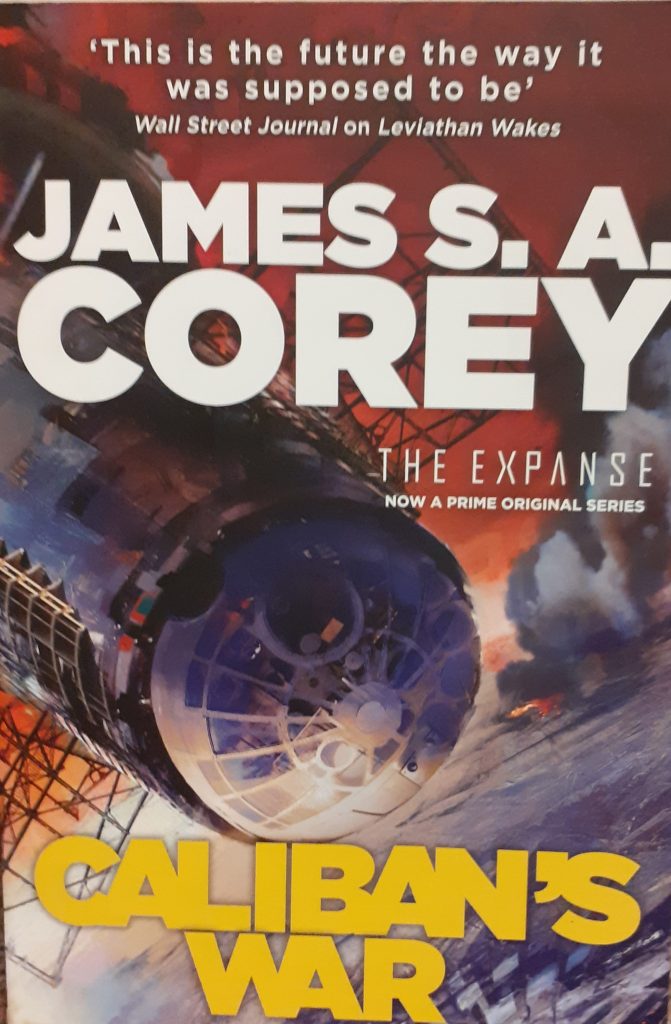
7. Book Two: Caliban’s War.
When I started reading the second book in The Expanse series, I was worried it would not live up to the first. Even though I much preferred Leviathan Wakes, Caliban’s War is still a great follow-up. Its opening action scene, with Bobbie’s squad being attacked by the Protomolocule hybrid, makes for a good first impression. Despite this, I was still concerned when I learned the main storyline would revolve around the kidnapping of a little girl. It just seemed too similar to the plotline from Leviathan Wakes. Thankfully, Caliban’s War differentiates itself by introducing a bunch of interesting characters. Prax’s search to find his daughter is compelling, especially with how it later ties into fabricated stories. Even better are Avasarala and Bobbie. They get their introductions in Caliban’s War, and they are some of the best female characters in the Expanse. In particular, Avasarala is a highlight, with her constant sailor mouth delivering a lot of laughs. The only thing keeping Caliban’s War from being higher on the list is an element in the climax. Holden is aboard a ship infested with the Protomolecule and runs into the ship’s last survivor, who we have never met before. He then learns someone has to self-destruct the ship to stop the alien weapon. Luckily for him, the character we literally just met has become infected and volunteers to sacrifice himself. It felt like the authors wrote themselves into a corner and, to avoid their main character dying, they abruptly introduced this random survivor, who is never mentioned again. Otherwise, Caliban’s War is a fantastic follow up to Leviathan Wakes, introducing some of the best characters in the series.
6. Book Four: Cibola Burn.
It seems like a lot of people rank Cibola Burn quite low among the other Expanse books. This is a shame because I consider it to be a pretty underrated entry. The first half of the book is a fascinating exploration of conflict between colonizers and corporations, while the second half goes full-on disaster novel. We see this from the eyes of various interesting characters, like Havelock and Basia, who had appeared previously in the series but are now elevated to POV characters. We are also introduced to Elvi, who will be very important in the final two books. Speaking of Elvi, though, she also presents the funniest moment in The Expanse for me, when she realizes she was not in love with Holden, she just needed to get laid. As for Holden himself, we get the last of his connection with the Protomolocule Miller for a while, and his conflict with the antagonist Murty is a lot of fun. Murty himself was the first antagonist in The Expanse I found truly interesting. I perfectly understood his viewpoint, and why he saw himself as in the right. The book even ends on an ominous note with Avasarala revealing that the expansion to different planets will be the death knell for Mars, perfectly setting up Nemesis Games. Cibola Burn may be ranked low among a lot of The Expanse fans, but I really enjoy it for the characters and conflicts.
5. Book Nine: Leviathan Falls.
The final book in The Expanse series, I began Leviathan Falls with my fingers crossed that James S.A Corey could conclude the story well. Thankfully, for the most part, they definitely achieved this, but I will get my small criticisms out of the way first. For starters, the book did remind me of Babylon’s Ashes at times, with how it would occasionally switch to the POV of a character whose head we had never been in before. However, this problem was nowhere near as prevalent as in that book. Secondly, I did not really care for Tanaka as one of the main POVs for the final novel. I am not sure why, but I just could not connect with her, even as an antagonist. Finally, while I was enjoying Leviathan Falls, it felt for a while like the events occurring were not really leading up to this being the final book. However, once we reached that endgame point, the story locked in, and I was riveted all the way to the finish line. Leviathan Falls does a fantastic job of proving what is at stake. Humanity faces the choice of either being forcibly incorporated into Duarte’s hive mind or being destroyed by the aliens who killed the Protomolecule. Holden being Holden, finds a third option. Following his final interaction with the Protomolecule Miller, along with his crew, he sacrifices himself to destroy the Ring Gates, separating various human colonies by light years. Holden’s sendoff was very well done, although I do find it kind of funny that his last words were, “I don’t have a fucking clue.” The epilogue then shows humanity millennia in the future, having developed its own means of interstellar travel. And who should the expeditioner’s traveling to Earth meet but Amos, still very much alive and kicking, looking out for humanity, even after all of his old friends have died. This ending felt perfectly fitting to me. The only way for humanity to survive was to destroy the Ring Gates, and Holden’s sacrifice still meant humanity could connect thousands of years later. Leviathan Falls is a worthy conclusion to this great series.
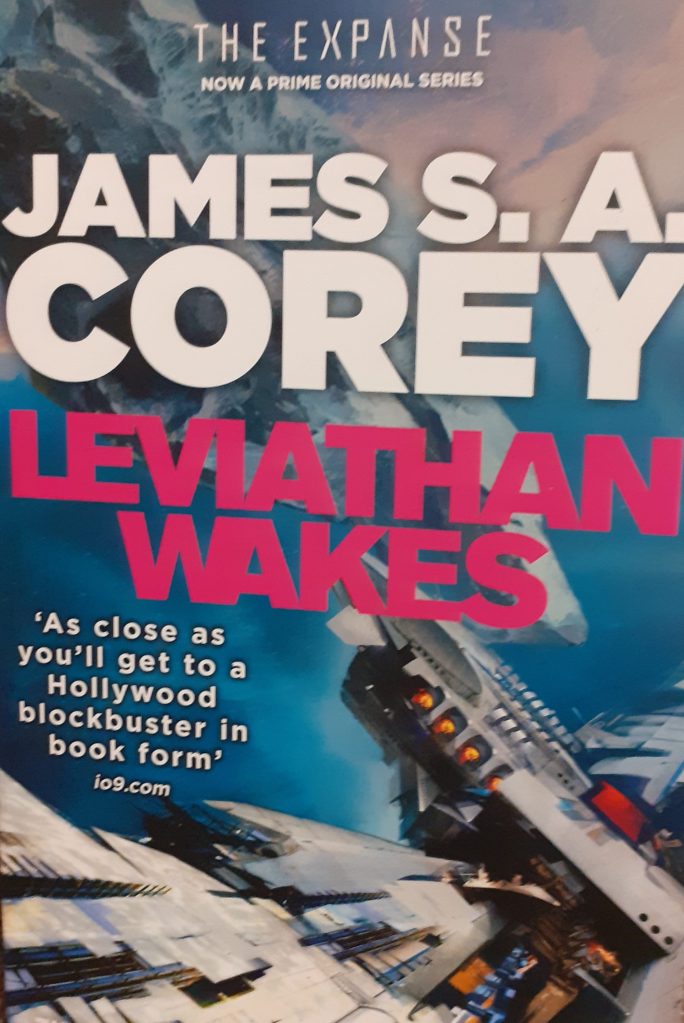
4. Book One: Leviathan Wakes.
Bit of a funny story before I get into my thoughts on Leviathan Wakes. I happened to be reading this book in the same room as my parents, and they asked me what it was called. For some reason, I stammered over my words and instead of saying Leviathan Wakes I said Leviathan Wanks. So, yeah, that was embarrassing. As for the first book in The Expanse, boy, did Leviathan Wakes make a first impression. The portrayal of how humanity had gone on to colonize Mars and the Belt felt so real, as did the numerous cultures and rivalries that emerged. These rivalries explode when Jim Holden’s ship is destroyed, starting a war which threatens the Earth, Mars, and the Belt. At the same time Holden is searching for who killed his friends, a detective named Miller is searching for a missing woman with ties to a revolutionary organization, the OPA. Both men are unaware that the mysteries they aim to solve are connected, and lead to a far more terrifying conspiracy, as Protogen plans to test the Protomolecule on a civilian population. The events on Eros are horrifying to read and especially riveting through how Holden and Miller conflict in their values. Miller is especially compelling, flaws and all, and he was by far my favorite character in this first book. The way his story concludes, with him finally finding Julie and saving Earth with her, felt very fitting. The quality of his character is so good that I got excited when he showed again at the end of Caliban’s War. Leviathan Wakes was a fantastic start to The Expanse. The cultures and conflicts it created felt real to me, as did the characters, especially Miller. It would not be until Book Five where a novel in the series beat Leviathan Wakes in terms of quality, but I am getting ahead of myself.
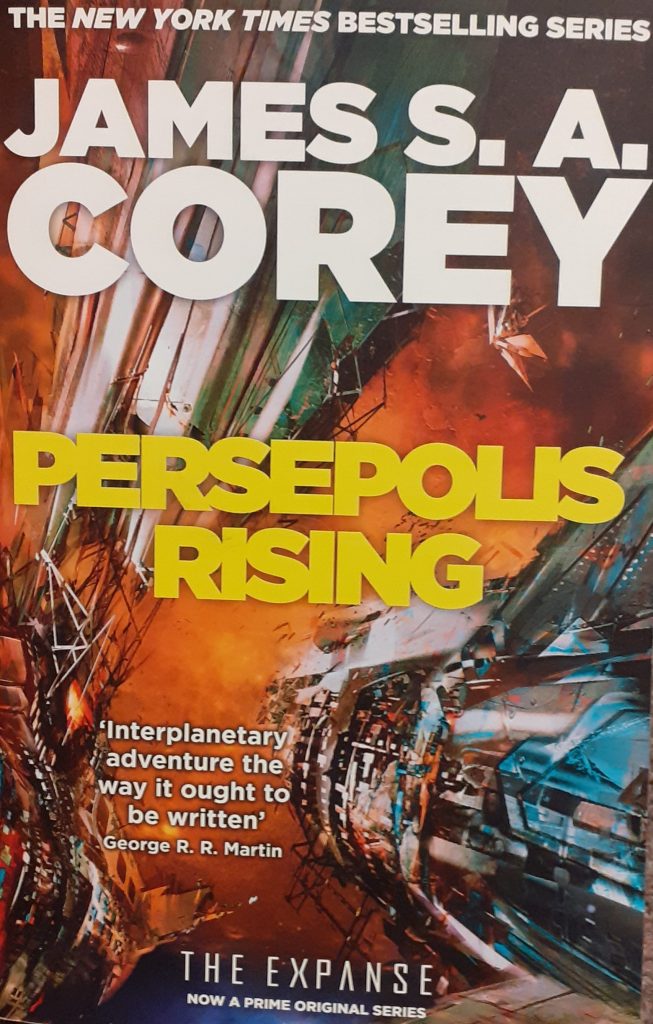
3. Book Seven: Persepolis Rising.
Persepolis Rising has my favorite prologue of The Expanse. It had me immediately invested in Laconia through the brutal depiction of the Pen, and the grand aspirations of the empire’s dictator, Winston Duarte. A large part of the reason I love Persepolis Rising comes down to Laconia. In my opinion, it is easily the most interesting setting James S.A Corey created, and makes for an excellent antagonist for our heroes to fight against. This is nowhere clearer than with Singh, one of our POV characters. He only appears in this book but is incredibly compelling, as a family man who is a key part in an authoritarian regime. This system gradually grounds him down, until even he goes too far for its standards, and he is put to death in a shocking moment that tells the reader a lot about Laconia as a society. Our other new POV character is Drummer, whose struggles against the Laconian Empire shows their might and threat level. Like Singh, her arc is also fantastic, as she eventually comes to draw comparisons between her own actions and the authoritarian rule of her enemy. And then there is Holden and the crew of the Rocinante, who have aged 30 years since we last saw them. Clarissa is now considered family among the crew, and she dies is in this book to save Naomi. I cannot deny her death is one of the best written in The Expanse, with it feeling like a gut punch, even though I still did not like her very much. As for Holden, his heroics once again get him into trouble, since he ends the book captured by Laconia. This leads to his first meeting with Duarte in the epilogue, which has one of the best lines in The Expanse, in my opinion. “When you fight gods, you storm heaven,” Duarte says, in the final line of the book. What an awesome line, although it is made funny in hindsight with how that turned out for Duarte. Persepolis Rising is an excellent read. It introduces the most threatening human force of The Expanse, has some of the best character arcs of the series, and has an awesome final line. And the next book would somehow be even better.
2. Book Five: Nemesis Games.
Before Nemesis Games, I liked the crew of the Rocinante but I did not love them. Well, that all changed with Book Five, where I was excited to see the three POVs aside from Holden’s were Amos, Naomi and Alex’s. This excitement proved to be warranted because Nemesis Games not only made me appreciate these characters way more but it also turned out to be my second favorite books in the series. The novel follows the Rocinante crew splitting up, where they each begin to uncover clues leading to a grand conspiracy. We have Holden teaming up with Fred in probably my favorite depiction of their dynamic in the series. Then there is Alex, who teams up with Bobbie, uncovering the Martian side of the conspiracy, leading to our first encounter with Winston Duarte. We learn a whole lot about Naomi’s dark past, as she reunites with her former lover Marco and their son Filip. Finally, there is Amos, who returns to Earth, reuniting with Clarissa, only for Marco and his Free Navy to shower Earth with asteroids, leading to a desperate attempt to escape the planet. When I saw that Clarissa would be coming back, I immediately got nervous. I was having such a good time with this book, and I did not want one of my least favorite characters to ruin it. Thankfully, Clarissa is not as insufferable as she was in Abaddon’s Gate, and her and Amos witnessing the devastation of Earth was gripping. The best of the four POVS in my opinion though is definitely Naomi’s. Watching her struggle between her love for her son and her newfound family in the Rocinante’s crew made for a great arc, creating a lot of emotional moments. And then there is the epilogue, which both sets up the eventual Laconian Empire and introduces us to the new threat of the aliens which killed off the Protomolecule’s creators. Overall, Nemesis Games is excellent. It made me love the Rocinante crew, has a compelling mystery, and sets up a lot of events in the endgame of the story. The only reason it is not at number one is that some of the things it sets up proves to be rather underwhelming in Babylon’s Ashes.
1. Book Eight: Tiamat’s Wrath.
“Chrisjen Avasarala was dead.” The opening line of Tiamat’s Wrath perfectly sets the tone, with a sendoff to one of The Expanse’s best characters and setting up a whole lot of sacrifice. I loved the introduction of the Laconian Empire in Persepolis Rising, but their characterization truly shines in Tiamat’s Wrath. We get to see how the Empire rules now that is has pretty much conquered the universe, in all of its authoritarian blemishes. This perspective mostly comes through the POV of Teresa, Duarte’s daughter. It is through her we get a fantastic look at what happens when a dictator with a cult of personality falls. Those below him take charge in his stead, while attempting to maintain the perception that their dear leader is still pulling the strings, even as each strand gets cut no matter how hard they try. Teresa is also an interesting character, especially due to her friendship with Amos, which actually leads to his unfortunate death… temporarily. I say temporarily because this is where The Expanse introduces the concept of the alien technology resurrecting people. Amos’ return is epic, although it does raise the question if this is actually Amos or a clone with his memories. You be the judge of that. While Amos’ death is temporary, Bobbie’s is tragically permanent. That being said, her death is a victory because she sacrifices herself to destroy the Laconian Empire’s flagship, destroying their reputation as unstoppable. Bobbie would have wanted to die fighting, and I cannot think of a better end for the character. Along with a close look at how Laconia operates, we also get further insight into the Protomolecule via Elvi who makes her return, ending with her eventually realizing Holden’s grand plan. The twist that he motivated Cortázarto try and kill Teresa, so that he would be executed, thus putting Elvi in charge of studying the Protomolecule was masterful, made even better by the fact that we rarely get Holden’s POV in this book. I know it may seem strange, my favorite novel in the series being the one where the main character is mostly closed off from us. But it all builds to this fantastic reveal, which ends with Holden, Teresa and the resurrected Amos escaping the planet. There are just so many amazing moments in Tiamat’s Wrath. From Naomi stepping up to lead the underground, to her reuniting with Alex on the Rocinante, to the battle around Laconia, it is all great. With an in depth look at Laconia, gripping character moments and sacrifices, and an excellent twist, Tiamat’s Wrath is my favorite book in The Expanse.
So, there you have it. My Top Ten The Expanse books. But this is not where the series ends, because a video game is coming, and there is, of course, the TV show. I will be watching the show soon, and I might review it season by season, or do another ranking when I finish. It depends on how I ultimately view the series. Either way, you can expect another post on The Expanse in the future.
All of us, in some way, have experienced grief. Whether it be over the loss of a family member or friend, grief is part of the human experience. There are many ways we can deal with this grief, both healthy and unhealthy. Yet, I have not seen a video game explore the concept in such a profound way before as Clair Obscur: Expedition 33. With many AAA games falling below the mark recently, AA studios have risen to the challenge to fill in the quality gap. Directed by Guillaume Broche. Expedition 33 is the latest video game to fill in that gap.
The world will have truly gone mad if this game is at least not nominated for Game of the Year.
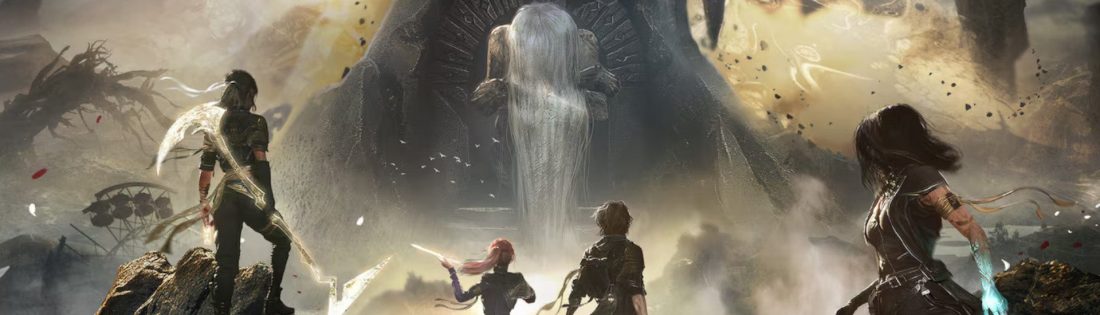
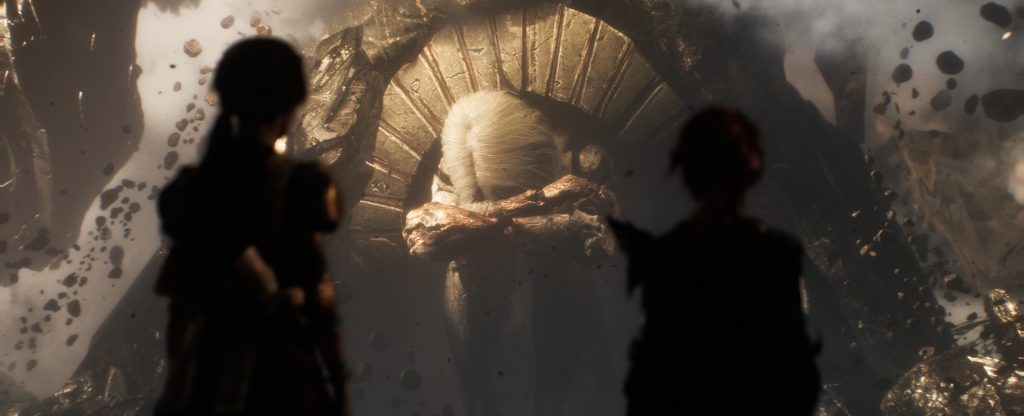
Set in an alternate universe, the island of Lumière is facing certain oblivion. Every year, a mysterious gigantic figure, known as the Paintress, paints a number upon her monolith. The people that age then disappear in an event known as the Gommage. With the Paintress counting down, it will not be long before everyone in Lumière has passed on And so, every year, a group of expeditioners are sent out to kill the Paintress, so that the people of Lumière can hope to grow old again. The game follows, you guessed it, Expedition 33 on this mission.
“She’ll never paint again,” a character states, perfectly summarizing many of the character’s goals.
On the journey is our main character Gustave (Charlie Cox), his adopted sister Maelle (Jennifer English), the intelligent Lune (Kirsty Rider), and the optimist Sciel (Shala Nyx). They are also joined by a mysterious former Expeditioner named Verso (Ben Starr), his hilarious friend Monoco (Rich Kebble), and the giant friendly creature known as Esquie (Maxence Cazorla). Together, the seven travel across the land, befriending Gestrels and fighting Nevrons in numerous fantastic battles. Expedition 33 is a turn-based game, and it is already one of the best in the genre if you ask me. Every character feels unique to use with their various different skillsets. Not only that, but the dodge and parry mechanics are riveting. There is a lot of challenge in getting the timing down for certain bosses strikes but, when you can parry an eight-hit attack you feel like a god.
It feels very similar to the boss fights of Elden Ring, in that way.
Speaking of the bosses, they are all mostly excellent, as are the soundtracks accompanying them. This is made all the more impressive by the fact that the game’s composer, Lorien Testard, had never worked on a video game before. This is a common theme with Expedition 33. Many of its developers are newbies to the industry, with a lot of them having been discovered by complete chance. This makes the existence of Expedition 33 nothing short of a miracle, and I would highly encourage you to look into the history of the game just to see how it all came to be. Much like the composer, the game’s main writer, Jennifer Svedberg-Yen, had also never written for a video game, and this makes the excellence of her writing all the more inspiring. The reveal of why the Paintress does what she does is excellent and perfectly set up throughout the narrative. That narrative also does a fantastic job of building up the characters, especially Maelle and Verso, who are already among some of the most morally complex characters in video games.
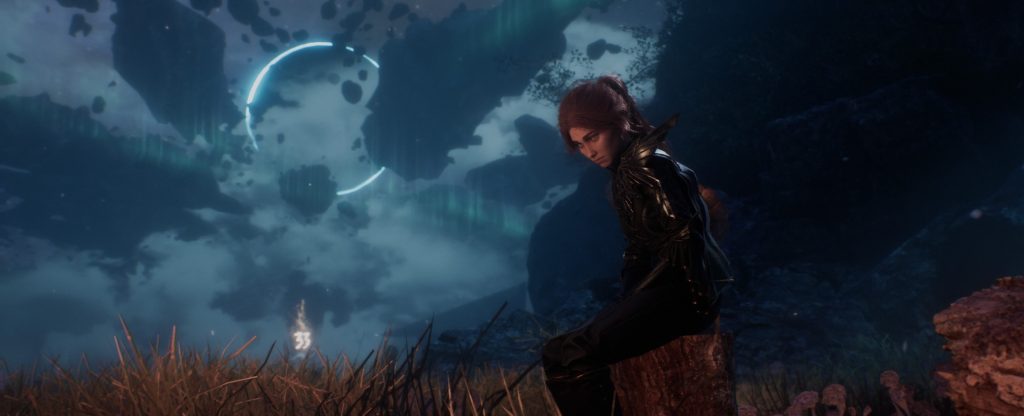
I am going to remember Maelle’s journey for a while.
And then there are the themes. As I stated at the beginning of this review, Expedition 33 is a game that centers around grief and what it can drive people to. This results in multiple emotional moments, the standout of which is the ending. No spoilers here, but it had me questioning the morality of characters in such a way that I have not experienced since the ending of the original Last of Us. It is an ending I have already seen multiple debates about online, arguing over which character, if any, made the right decision.
Expedition 33‘s conclusion really makes you think.
As of right now, Clair Obscur: Expedition 33 is my game of the year. The gameplay is enthralling, the music is spectacular, and the writing delivers an emotional and beautiful message about grief. I cannot wait to see what Sandfall Interactive does next in the gaming world. If their future titles are anything like Expedition 33, we may have another legendary studio on our hands.

























 THE REVIEW MONSTER