
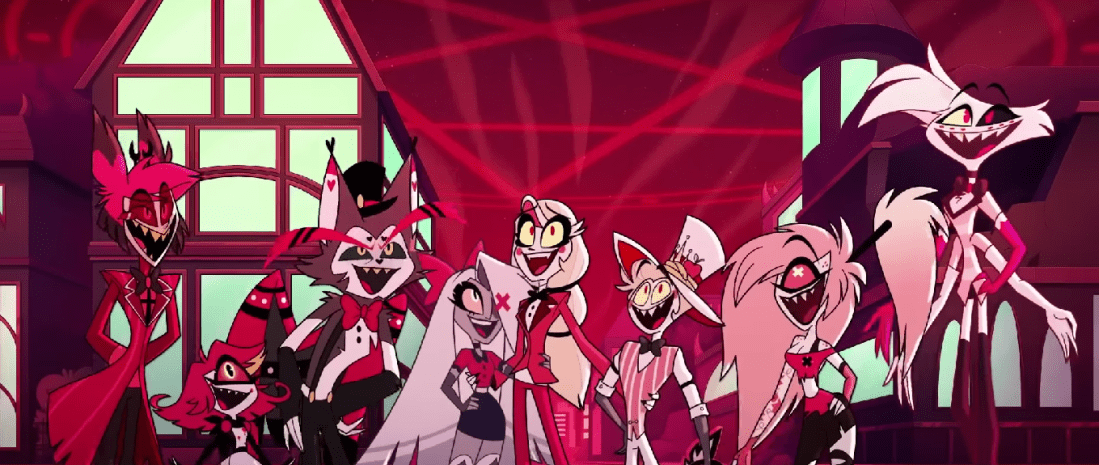
There are a lot of opinions out there about Hazbin Hotel.
Some love it, others hate it.
However, I think that even those who dislike the show have to admit the songs are the best part of it.
After loving the Season Two musical numbers so much, I decided to rank my Top Ten favourites.
Before beginning this list, though, I have to say that this ranking is from someone who has zero music experience or expertise.
This list is not based upon any understanding of musicals, but upon my personal opinion of the songs.
Quick honourable mentions go to, “More than Anything,” “Sera’s Confession” and “Love in a Bottle.”
With those disclaimers out of the way, let’s start this list with number 10, which is…
10. Clean It Up, Season Two, Episode Four.

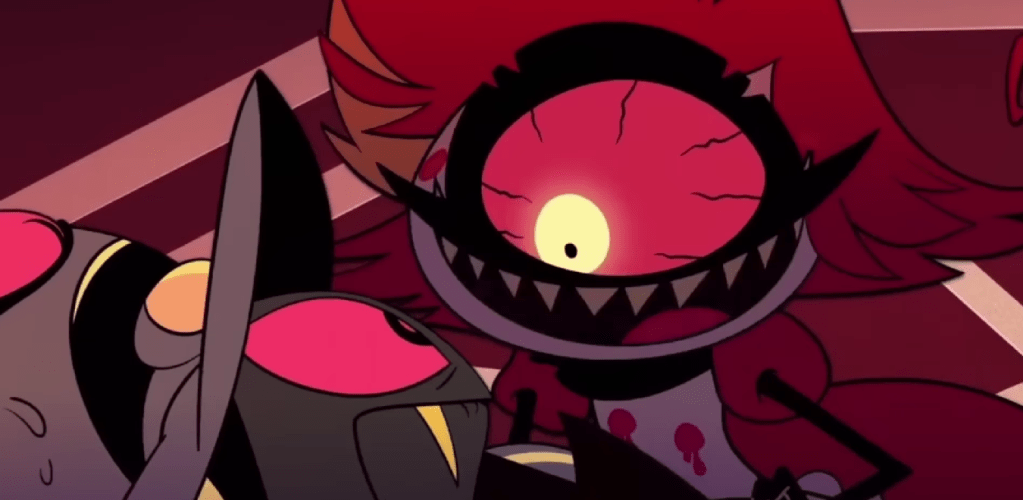
Ah, Nifty, you adorable little murder gremlin, you.
She is not only one of my favourite characters in the series, but also the one I believe to be the funniest.
Leave it to the song’s writers to make her musical number just as chaotic and hilarious as she is.
“Clean It Up” sees Nifty proclaim her love for the hotel in the niftiest way possible, singing of disgusting floors and rat murders.
Horrified, Charlie asks Nifty to help “differently”, and she interprets this as singing in Japanese.
Hilariously and ironically, it is at this point that Nifty starts singing about thing most people would consider to be good about the hotel, not just her, like that Charlie is a good boss and that she believes in her dream.
The style also changes from that of an American cartoon to anime, all of this hinting to Nifty’s Japanese roots, which I am sure will be touched upon in a later season.
Although short, “Clean It Up” is a great song, delivering a lot of laughs and further insight into Nifty’s chaotic mind.
More murder gremlin songs next season, please.
9. Respectless, Season One, Episode Three.

A positive of Hazbin Hotel is that their villains have fantastic songs.
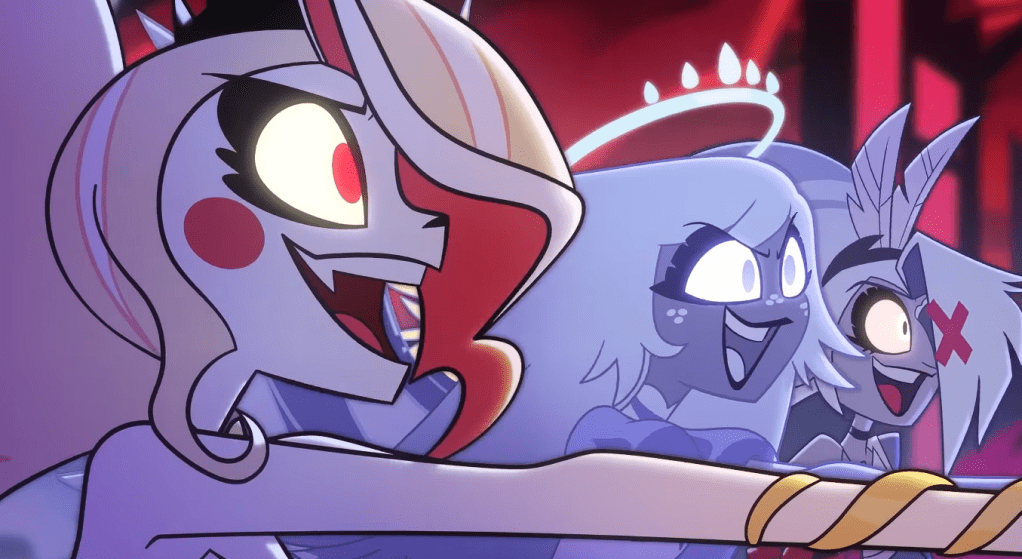
You will see many of these songs throughout the list, the first of which being Respectless, sung mostly by Velvette.
Carmilla Carmine starts the song and gets a few words in but, come on, this song is clearly Velevette’s.
As the only Vee without a connection to the main cast, she needed a moment to make her truly stand out.
Boy, did Respectless make her stand out, with Velvette using her time to completely diss Carmilla and the other Overlords.
On top of that, a lot of the rhymes in this song are really catchy like, “Why are you afraid of war? That’s what the guns you sell are for.”
The song even ends on a funny note, with Alastor declaring, “That was a productive meeting,” after Carmilla cancels it.
Respectless does a fantastic job of making Velvette stand out, along with having great rhymes and disses, so it more than earned its spot on this list.
8. Finale, Season One, Episode Eight.
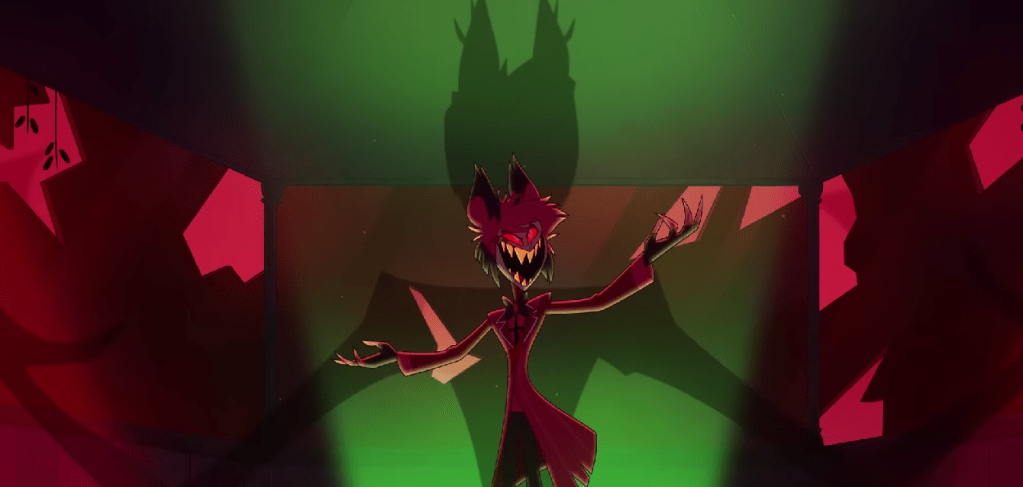
The two season finale’s of Hazbin Hotel both have their cast deliver a big ensemble musical number.
“Finale” was the first song to set this trend and sets up the events of Season Two nicely.
We see our main characters rebuilding the hotel to be better than ever, mourning Sir Pentious, and see both the Vees and Alastor plan to take over it all.
Alastor’s solo moment in the song is especially great, with Amir Talai doing a great job showing his desperation to escape his deal, after almost being killed by Adam.
His return to the hotel also gets a laugh, when Lucifer declares, “Not this guy.”
Their rivalry will never not be funny.
The first of Hazbin Hotel’s big ensemble musical numbers, “Finale” does a good job of setting a trend that would later be continued with “Hear My Hope.”
Personally, I hope it is a trend that continues with every season finale.
7. Hazbin Guarantee (Trust Us), Season Two, Episode One.
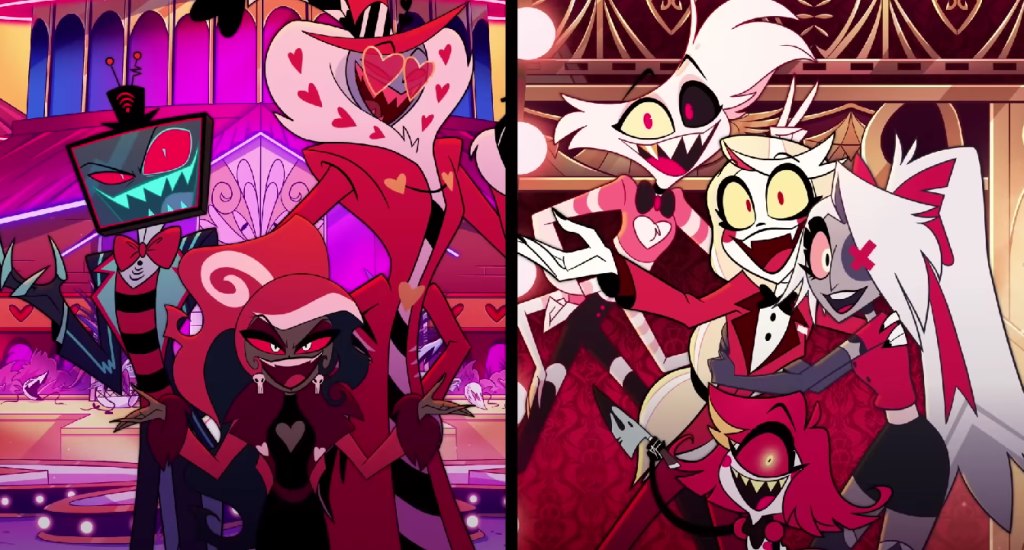
The first song of Season Two, “Hazbin Guarantee (Trust Us)” set the stage for the many excellent musical numbers which would follow.
For the first half of the number, it is very similar to “Finale”, in that it sees Charlie and the rest of the cast singing about the hotel, before the second half depicts the Vees singing about their business.
Both haves of the song do an excellent job of showing the difference between our heroes and villains.
Charlie sings of redemption and hope, while Vox and the rest of the Vees draw in a sinner with promises of success, only to throw her in the gutter once everyone loses interest.
And, honestly, with how catchy the Vees part of the song is, I can see how they draw many people into their clutches.
It also speaks a lot about the modern entertainment industry.
Providing a great contrast between our heroes and villains, “Hazbin Guarantee (Trust Us)” was an excellent way to kickstart Season Two.
6. Vox Dei, Season Two, Episode Five.
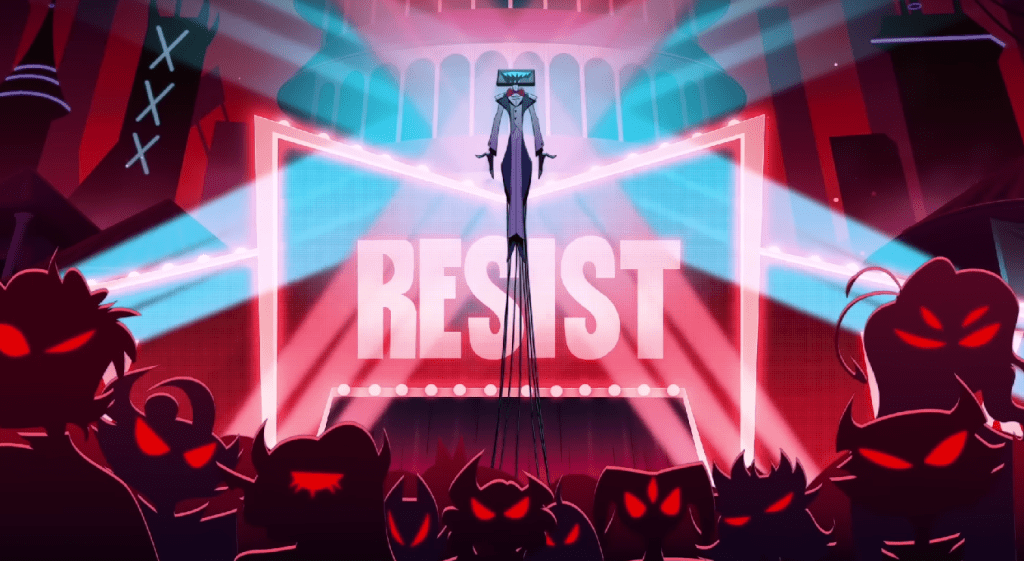
When Season Two started, I did not think Vox’s plan to take over Heaven had much of a chance of working.
This was the guy who got easily clowned by Alastor back in Season One, after all.
Well, “Vox Dei” was the song that made me rethink this.
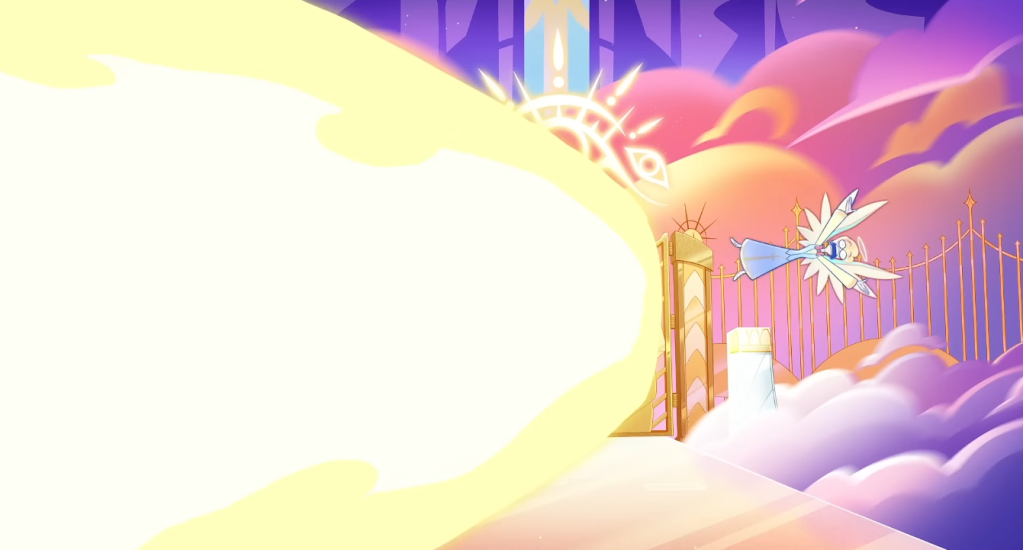
Vox rolls a nat 20 on charisma and intimidation, declaring war on the angels, while pretty much aura farming with his pet shark, Shok.wav.
Had I been Sera, I too would have fled in fear, what with the fantastic visuals and vocals.
Speaking of the vocals, Christian Borle nails it as Vox, delivering intimidating line after intimidating line of Vox hyping himself up.
However, pay close attention to the lyrics and you will notice Vox borrowed the flow of the song from Lucifer in “Vox Populi”, foreshadowing just how unoriginal he is.
Brief but epic, “Vox Dei” was the song that convinced me he might actually succeed in taking over Heaven.
5. Stayed Gone, Season One, Episode Two.

Just above the song that proved Vox’s worth, we have the song which showed his one weakness to be Alastor.
After learning of the Radio Demon’s return, Vox takes to airwaves to insult his obsession, only to be made a fool of in front of all of Hell.
Vox’s first part of the song is fast paced and also foreshadows all of the roles he stole in life, including that of a talk show host and TV Chef.
He tries to make it seem like he does not care about Alastor, despite constantly insulting him, only for the Radio Demon to join in on the song and basically bully him into self-destruction.
Just as “Stayed Gone” foreshadows Vox’s past, it also foreshadows his defeat, signifying that Alastor will use the TV Demon’s obsession with him to spark his downfall.
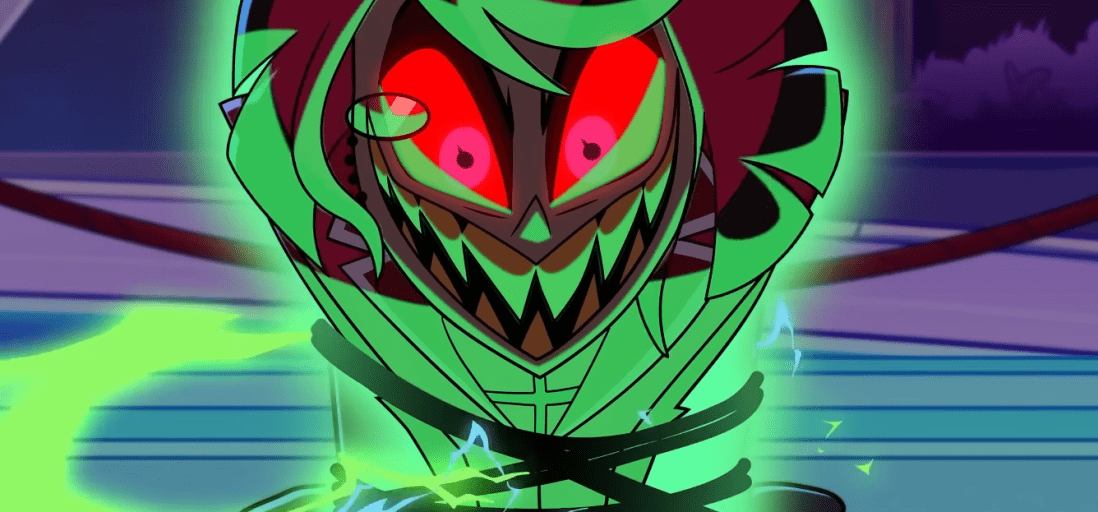
With Vox losing his signal, it is Alastor’s turn to intimidate, morphing into a grotesque, eldritch form, and promising Vox to make him, “wish I’d stayed gone.”
Given what happened at the end of Season Two, I can say Alastor definitely lived up to that promise.
Stayed Gone set up the rivalry between Alastor and Vox perfectly, and for that it reaches the halfway mark on this list.
4. Hear My Hope, Season Two, Episode Eight.
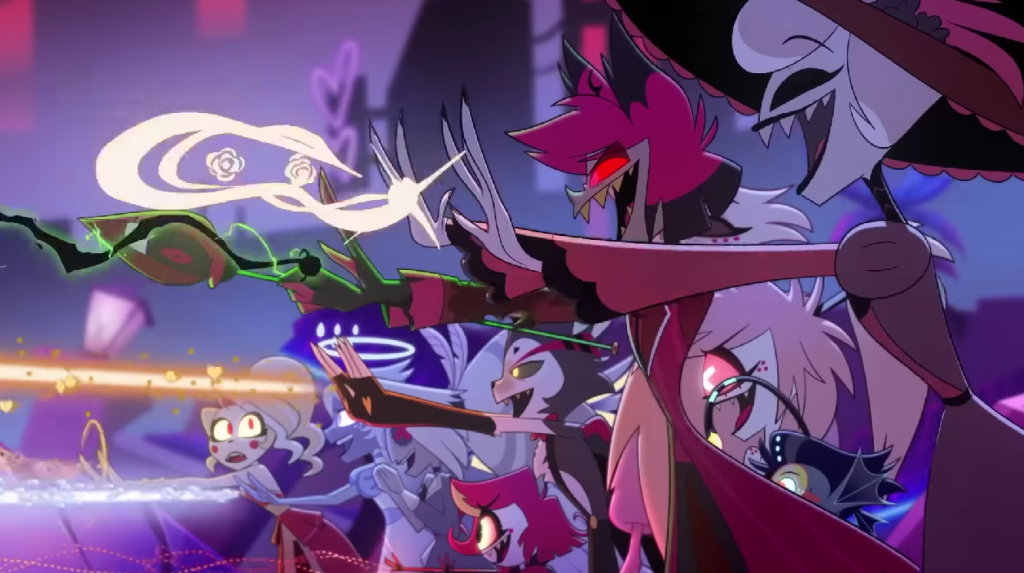
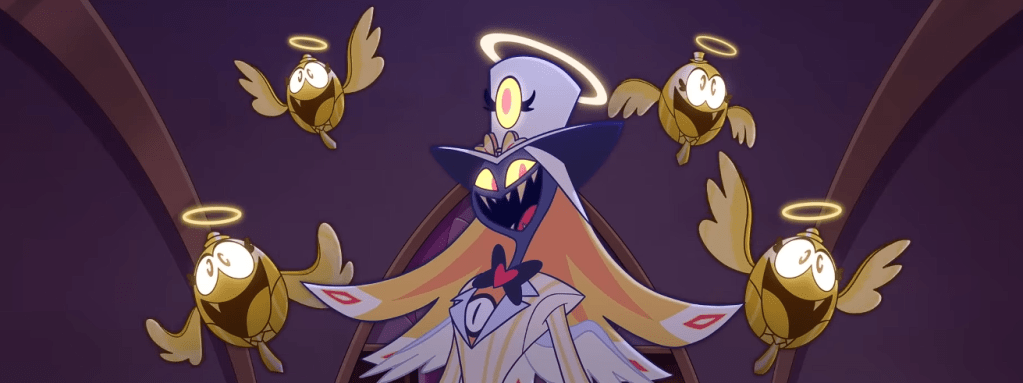
Continuing the trend of the season finale’s final song being an ensemble, “Hear My Hope” pulls out all the stops.
What first looks like it is going to be a self-sacrifice from Emily, eventually turns into an epic chorus, with most of the cast joining in to unite under the power of friendship, stopping Vox’s weapon.
And, no, when I say “power of friendship” I do not mean it sarcastically.
I would say that the song pulls that trope off flawlessly.
What is less than flawless is Abel and Lute’s part in the song.
Their section is definitely well sung but, at the same time, it feels rushed writing-wise, and pretty much ends Lute’s Season Two storyline with a whimper.
Alastor and Rosie’s following part of the song, more than makes up for this though, raising more interesting questions about Rosie, and showing how truly manipulative Alastor can be.
Of the two finale songs, “Hear my Hope” is definitely the better.
Although the Lute and Abel part brings it down somewhat, Alastor’s moment and the magnificent chorus brings it up significantly.
3. Gravity, Season Two, Episode Two.
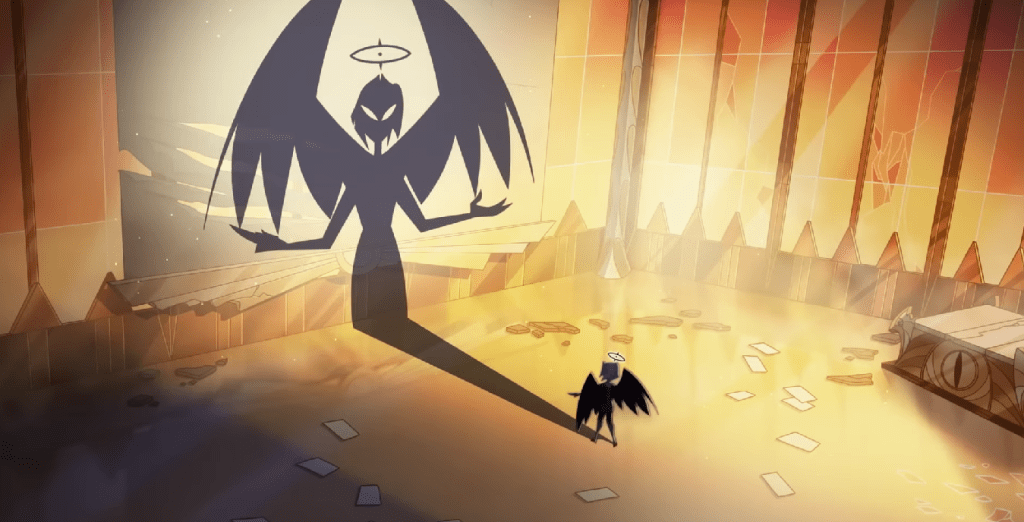
If someone were to ask me what an example of a good revenge song is, I would immediately point them in the direction of “Gravity.”
This was one of the songs used to tease Season Two, and this was a great marketing decision, considering it is one of the best songs of the season.
Following Adam’s death, Lute begins hallucinating him and swears vengeance in rock ballad, while destroying his room.
The lyrics for this song are incredible, being stuck in my head for weeks after I first heard it.
Jessica Vosk does an amazing job of portraying Lute’s rage and grief, directing her to a downward spiral of revenge, with Alex Brightman’s Adam egging her on.
The only thing stopping this song from being higher is that Lute’s revenge did not turn out to be inevitable, like gravity.
In the end, she barely does anything in Season Two, so it is disappointing to see such an incredible song amount to so little.
I wish it had been saved for a season where Lute actually does something.
Despite this issue, “Gravity” is still an incredible song of revenge, but it is not the best of Season Two.
No, that title goes to…
2. Brighter, Season Two, Episode Seven.
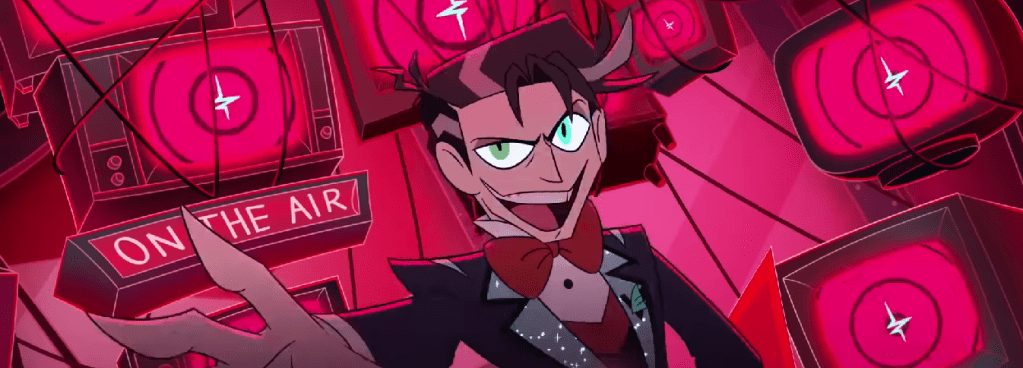
Vox has a lot of excellent songs in Season Two, but by far his best, and the best song of the season, is “Brighter.”
This is the musical number that details his backstory, from small beginnings as a weatherman, to his death as a serial killer, cult leader.
This journey Vox (Or Vincent as he was known in life) goes on pays off the setup from “Stayed Gone,” showing him kill a news anchor, a talk show host, a TV Chef, and just about anyone who he sees as standing in his way to reach the top.
In the end, this suitably brings about his downfall, with his head being crushed by a falling TV, electrocuting him and his followers because he stupidly decided to hold his cult meeting in an indoor pool.
Although this probably explains how Vox became an Overlord in Hell, since he already had followers when he arrived.
The song also does a great job at how Vox’s ambition to be “Brighter” will eventually ruin him, with his defeat being delivered in the very next episode.
Backed up by Christian Borle’s as always fantastic singing voice, “Brighter” is an amazing song that shows us Vox’s past, pays off then unknown setup, and foreshadows his fall from grace.
It is the best song Season Two has to offer, but not the best song of the series.
My favourite song of Hazbin Hotel is…
1. Loser, Baby, Season One, Episode Four.
“Masquerade” is the most depressing episode of Hazbin Hotel so far.
The episode is centered around showcasing Angel Dust’s abuse at the hands of Valentino and the mental trauma this has caused him.
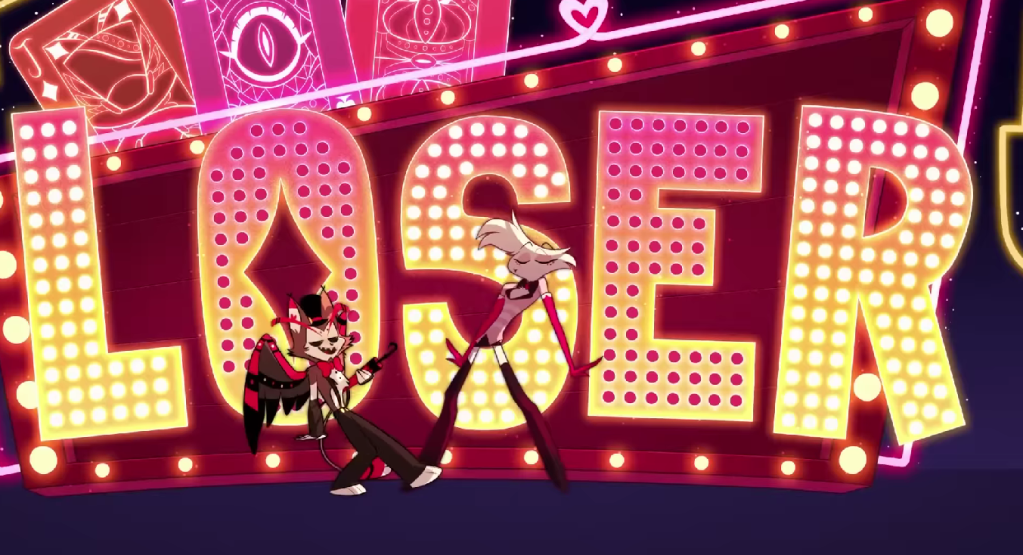
So, it was a very much needed relief to reach the end of the episode and get the most uplifting song of the entire series, and my pick for the best song of Hazbin Hotel, “Loser, Baby.”
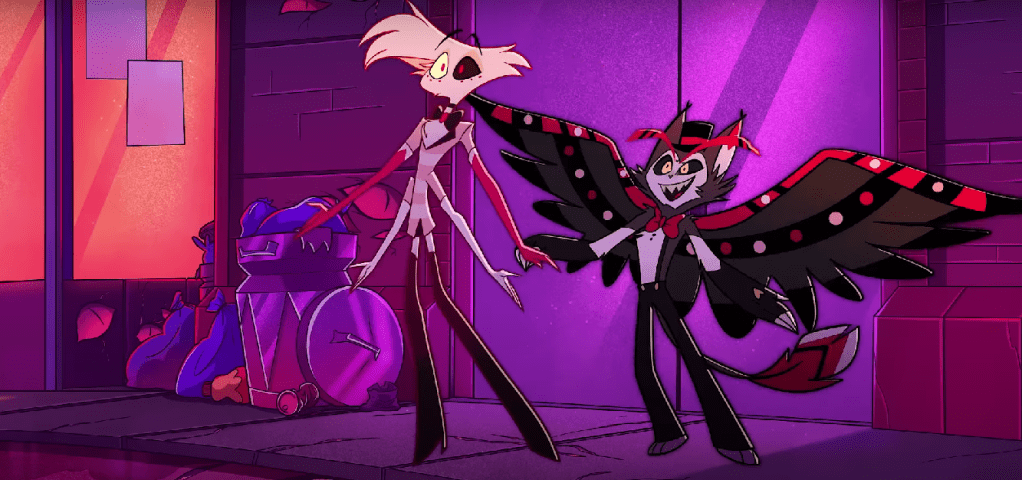
After chasing Angel Dust down and confronting him, Husk realizes they are not so different.
Instead of trying to cheer Angel up by singing about how his life can be better, Husk sings about being a loser.
The touching message at the core of “Loser, Baby” is that things may be bad, and you might not see a way out, but there are many other people in the same boat, so embrace those parts of yourself you may not like and show them proudly.
Keith David and Black Roman deliver this message with their fantastic singing voices, and I listen to the song often (with headphones of course because, come on, I obviously don’t want people overhearing lyrics about sex toys and misinterpreting what I’m listening to).
The song even ends on a humorous note, with Angel and Husk’s romantic moment being cut off mid-sentence by a bunch of angered gang members.
After such a depressing episode, “Loser, Baby” was the uplifting musical number we needed.
Whenever I feel down, I find myself listening to it to remind myself I am not alone and, to quote the song, play my card, be who I am, a loser, just like-
HEY, THERE HE IS! HE’S FUCKING SINGING! GET HIM!
Joking aside, it is for this, and many other reasons that “Loser, Baby” is my favourite Hazbin Hotel song, and I am interested to see if it can be beaten one day.
Thank you for reading and have a Merry Christmas.







 THE REVIEW MONSTER