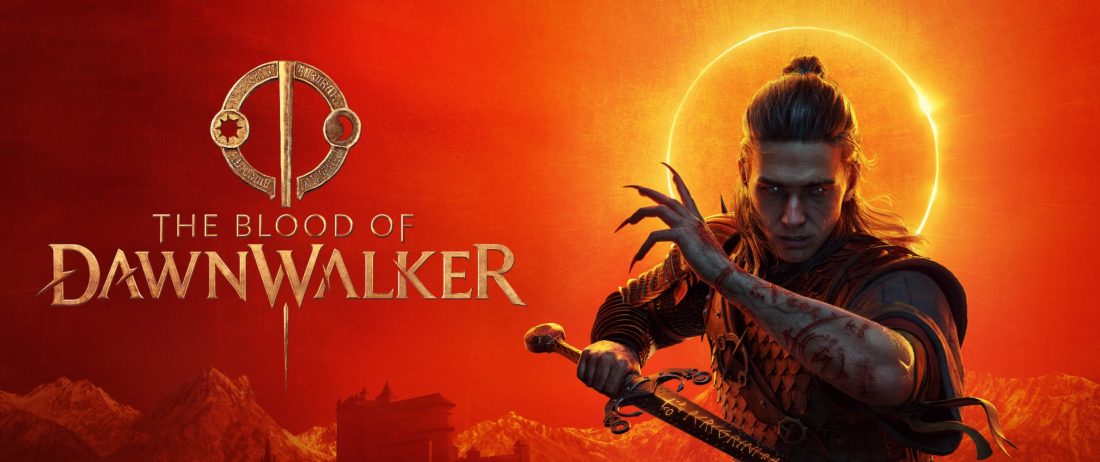
I was drawn in by The Blood of Dawnwalker right from the cinematic reveal trailer.
An open world video game where you play as a vampire trying to save your family, created by the devs of The Witcher 3?
Sign me up.
Granted, I have tried to get into The Witcher 3 numerous times but have not been able to convince myself to play beyond the first few hours.
I suspect this is because I have not played through the first two games so I found it difficult to become invested.
However, since The Blood of Dawnwalker is a new story, I started the game hoping I could be invested enough to play to the end.
Well, my expectations were exceeded because, not only did I finish the game, but I loved it so much that I went back to try different endings.
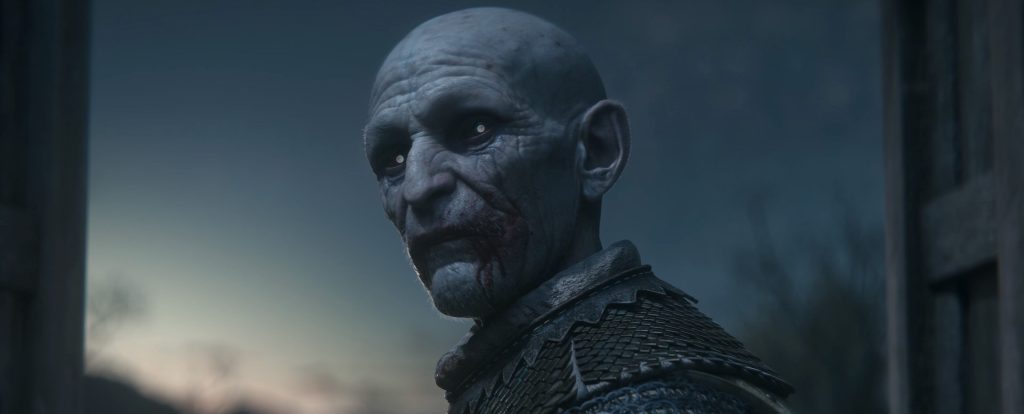
Developed by Rebel Wolves, the story is set in a region known as Vale Sangora, situated in the Carpathian Mountains.
Ravaged by plague and the tyranny of its ruler, Vale Sangora serves as easy pickings for a group of vampires (known as Vrakhiri in this game), led by the cruel and calculating Brencis (Andrew Spooner).
We play as Coen of Laslea (Will de Renzy-Martin), a young man whose family is taken by Brencis to serve as a sacrifice for his coronation, giving Coen only thirty days and thirty nights to rescue them.
Coen has a better chance of defeating Brencis than most, however, for the Kynaz tried and failed to turn him into a Vrakhiri, instead transforming Coen into a Dawnwalker.
By day Coen is human, fighting Brencis’ soldiers with swords and witchcraft.
By night, he takes on a vampiric form, giving him a greater edge, but one that comes with the risks of his constant hunger for blood.
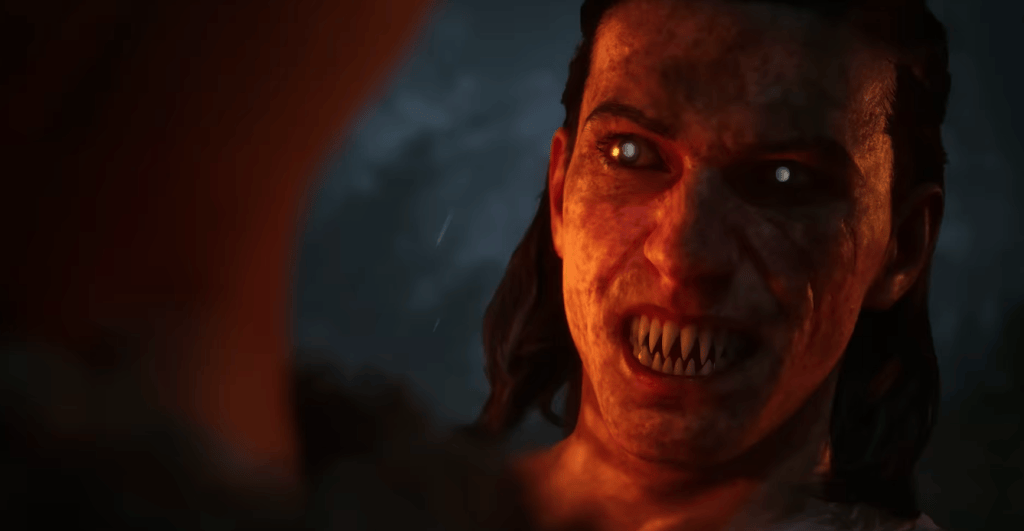
The key componant of The Blood of Dawnwalker, is its thirty day time limit.
You can roam the open world freely, but fighting certain groups, completing missions, or helping characters with quests results in time passing.
Even leveling up your skills takes time slots.
The latter was especialy worrying for me but, having beat the game on my first playthrough with nine days left, I can confidently say you have plenty of time to save Coen’s family.
That is, if you want to save them.
If you would rather screw around the open world, ensuring their death at Brencis’ hands, you are more than welcome to do so.
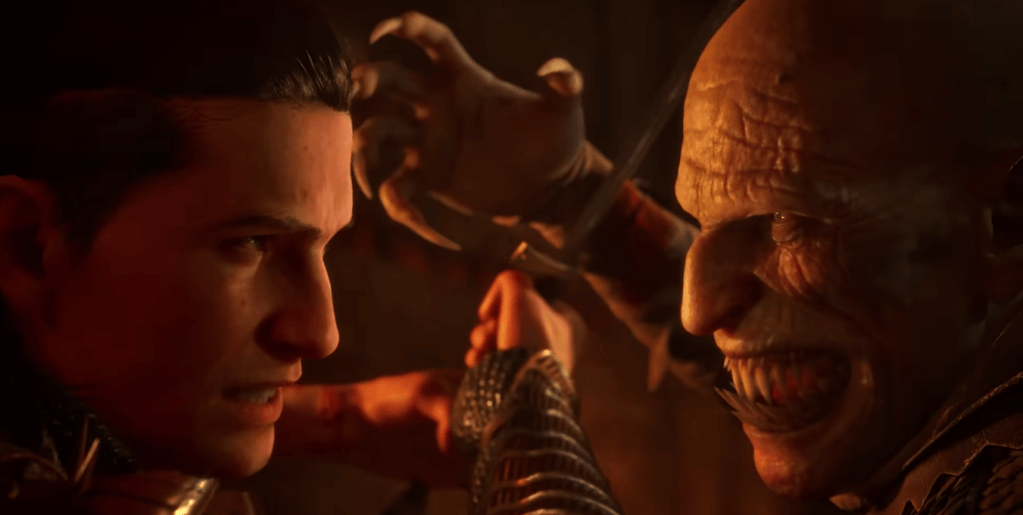
But if, like me, you want to save them, there are many avenues that allow you to.
Hell, you can even have Coen storm Brencis’ castle immediately after the prologue.
Although, if that is the route you take, you will miss out on a lot of interesting characters’ stories.
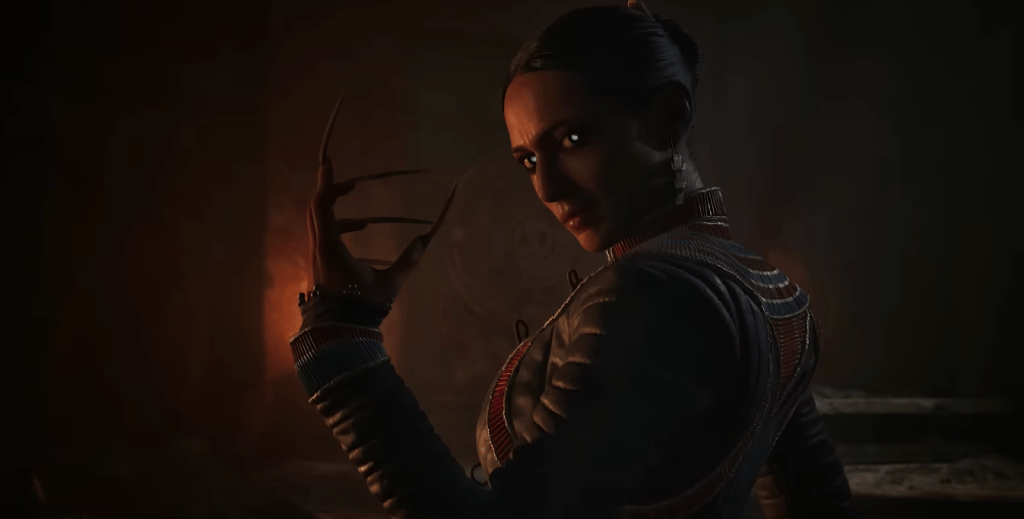
The three central characters who help Coen on his journey are Anca (Helen Keely), a herbalist who teaches him witchcraft, the Vrakhiri with mysterious masters, Lacra (Megan Smart), and rebel leader Marat (Colin Ryan).
Of the three, I would say Marat is the weakest character, due to his rebels feeling pretty useless until Coen joins them.
Anca is an interesting character with a compelling quest but, unlike the other two, does not have an ending tied to her.
Lacra is definitely the most interesting, due to her moral ambiguity, and her questline leading to Coen meeting other fantastic characters such as Vicho (Stephen Spencer) and Ocha (Helen McAlpine).
Enough about the side characters, though, let’s talk about Coen.
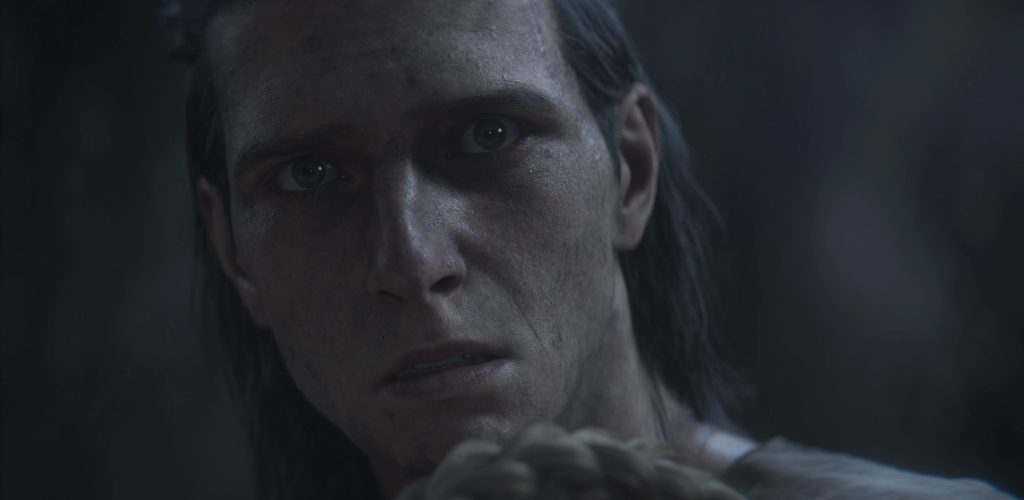
I thought he was a fantastic protagonist with a lot of complicated feelings about his past and family that added a lot of depth.
This shined in the Home Sweet Home quest which, although incredibly tedious to play through, had an incredible performance from Coen’s voice actor Will De Renzy-Martin.
So, the story and characters are both compelling but what about the gameplay?
Well, it is based off a directional blocking system, and it takes quite a bit to get the handle of, especially with groups of enemies.
I remember dying so much during a certain early questline that I wanted to throw my controller through the television screen.
Once I got the hang of combat and unlocked certain witchcraft and vampiric abilities, the fighting almost became a breeze.
I say “almost” because even basic enemies could be quite spongey, making fights go on longer than I felt they should.
Another issue is the lock-on system, which feels quite sporadic and random.
It can also be extremely difficult to run away from fights, which trapped me into frighting wolves and boars way more than I would have liked.
Another issue are the visual glitches, of which I encountered a few.
Some characters turned invisible when I talked with them, and another character showed up to talk to me in a quest where that should not have been possible.
There was nothing game breaking, though.
Along with the glitches, the enemy variety is kind of lacking.
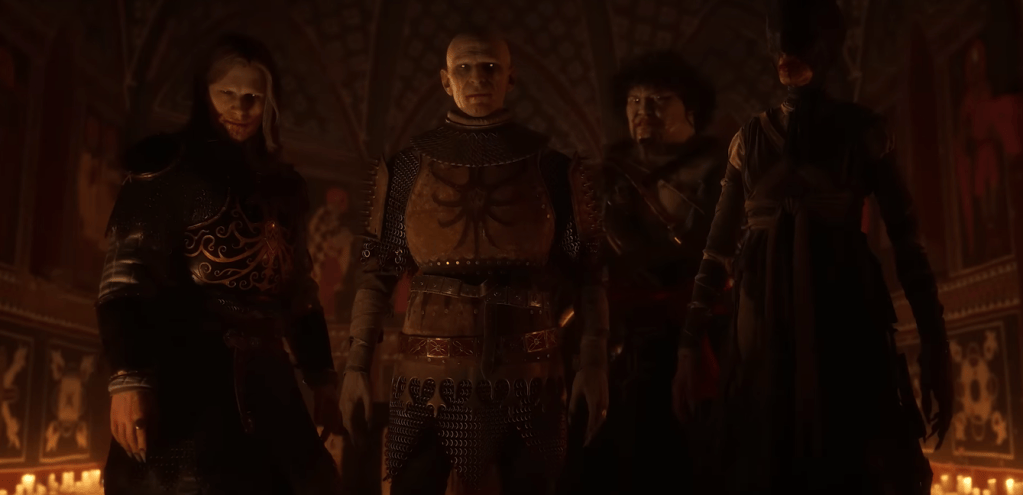
The most creative fights in the game are that of Brencis and his Boyars, Ambrus (Lorne Macnaughton), Bakir (Dai Tabuchi), and Xanthe (Mandi Symonds), all of whom have extremely fun fights and missions tied to them.
The Xanthe mission in particular ended with a decision where I chose the morally evil option just to see what would happen.
The Blood of Dawnwalker offers a lot of choices, from the prologue, all the way to the ending.
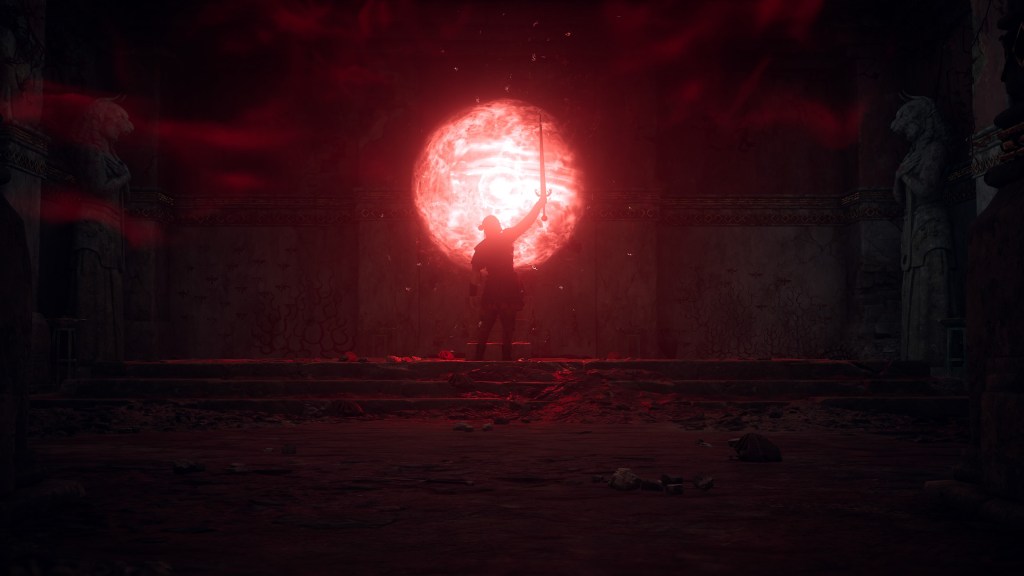
As I said at the beginning of this review, I was having such a good time that I loaded previous save files to try out different endings.
First I did the side with Lacra ending, then the side with Marat ending, and finally the side with Brencis ending.
Each of these endings creates different outcomes for the people of Van Sangora, which are excellently explored in the game’s final moments.
Although, there is one crucial detail about the ending which, no matter what you do, will never change.
This makes some sense, given the direction the story will probably go in the sequels, but sadly, I would argue that this detail does not make sense with certain endings, like the one where you beat Brencis in the prologue, and the one where you side with him.

Looking at The Blood of Dawnwalker’s components, I can easily say it is not perfect.
The combat can be a bit repetitive and go on too long, you will be forced to fight way too many bores and wolves, and one unchangeable detail about the conclusion does not make sense with certain endings.
All of that being said, I still had a blast with The Blood of Dawnwalker.
The time system was well integrated, the story and characters were fantastic, the boss fights against Brencis and his boyars are engaging, and the choices and consequences were great for the most part.
I can definitely see myself replaying it when a new game plus is added.
And I will most certainly be there day one for the sequels, which promise to show Coen at different points in history leading up to the present day.
This may have been Rebel Wolves’ first game but The Dawnwalker Saga is off to a promising start.