There are a lot of opinions out there about Hazbin Hotel. Some love it, others hate it. However, I think that even those who dislike the show have to admit the songs are the best part of it. After loving the Season Two musical numbers so much, I decided to rank my Top Ten favourites. Before beginning this list, though, I have to say that this ranking is from someone who has zero music experience or expertise. This list is not based upon any understanding of musicals, but upon my personal opinion of the songs. Quick honourable mentions go to, “More than Anything,” “Sera’s Confession” and “Love in a Bottle.” With those disclaimers out of the way, let’s start this list with number 10, which is…
10. Clean It Up, Season Two, Episode Four.
Ah, Nifty, you adorable little murder gremlin, you. She is not only one of my favourite characters in the series, but also the one I believe to be the funniest. Leave it to the song’s writers to make her musical number just as chaotic and hilarious as she is. “Clean It Up” sees Nifty proclaim her love for the hotel in the niftiest way possible, singing of disgusting floors and rat murders. Horrified, Charlie asks Nifty to help “differently”, and she interprets this as singing in Japanese. Hilariously and ironically, it is at this point that Nifty starts singing about thing most people would consider to be good about the hotel, not just her, like that Charlie is a good boss and that she believes in her dream. The style also changes from that of an American cartoon to anime, all of this hinting to Nifty’s Japanese roots, which I am sure will be touched upon in a later season. Although short, “Clean It Up” is a great song, delivering a lot of laughs and further insight into Nifty’s chaotic mind. More murder gremlin songs next season, please.
9. Respectless, Season One, Episode Three.
A positive of Hazbin Hotel is that their villains have fantastic songs. You will see many of these songs throughout the list, the first of which being Respectless, sung mostly by Velvette. Carmilla Carmine starts the song and gets a few words in but, come on, this song is clearly Velevette’s. As the only Vee without a connection to the main cast, she needed a moment to make her truly stand out. Boy, did Respectless make her stand out, with Velvette using her time to completely diss Carmilla and the other Overlords. On top of that, a lot of the rhymes in this song are really catchy like, “Why are you afraid of war? That’s what the guns you sell are for.” The song even ends on a funny note, with Alastor declaring, “That was a productive meeting,” after Carmilla cancels it. Respectless does a fantastic job of making Velvette stand out, along with having great rhymes and disses, so it more than earned its spot on this list.
8. Finale, Season One, Episode Eight.
The two season finale’s of Hazbin Hotel both have their cast deliver a big ensemble musical number. “Finale” was the first song to set this trend and sets up the events of Season Two nicely. We see our main characters rebuilding the hotel to be better than ever, mourning Sir Pentious, and see both the Vees and Alastor plan to take over it all. Alastor’s solo moment in the song is especially great, with Amir Talai doing a great job showing his desperation to escape his deal, after almost being killed by Adam. His return to the hotel also gets a laugh, when Lucifer declares, “Not this guy.” Their rivalry will never not be funny. The first of Hazbin Hotel’s big ensemble musical numbers, “Finale” does a good job of setting a trend that would later be continued with “Hear My Hope.” Personally, I hope it is a trend that continues with every season finale.
7. Hazbin Guarantee (Trust Us), Season Two, Episode One.
The first song of Season Two, “Hazbin Guarantee (Trust Us)” set the stage for the many excellent musical numbers which would follow. For the first half of the number, it is very similar to “Finale”, in that it sees Charlie and the rest of the cast singing about the hotel, before the second half depicts the Vees singing about their business. Both haves of the song do an excellent job of showing the difference between our heroes and villains. Charlie sings of redemption and hope, while Vox and the rest of the Vees draw in a sinner with promises of success, only to throw her in the gutter once everyone loses interest. And, honestly, with how catchy the Vees part of the song is, I can see how they draw many people into their clutches. It also speaks a lot about the modern entertainment industry. Providing a great contrast between our heroes and villains, “Hazbin Guarantee (Trust Us)” was an excellent way to kickstart Season Two.
6. Vox Dei, Season Two, Episode Five.
When Season Two started, I did not think Vox’s plan to take over Heaven had much of a chance of working. This was the guy who got easily clowned by Alastor back in Season One, after all. Well, “Vox Dei” was the song that made me rethink this. Vox rolls a nat 20 on charisma and intimidation, declaring war on the angels, while pretty much aura farming with his pet shark, Shok.wav. Had I been Sera, I too would have fled in fear, what with the fantastic visuals and vocals. Speaking of the vocals, Christian Borle nails it as Vox, delivering intimidating line after intimidating line of Vox hyping himself up. However, pay close attention to the lyrics and you will notice Vox borrowed the flow of the song from Lucifer in “Vox Populi”, foreshadowing just how unoriginal he is. Brief but epic, “Vox Dei” was the song that convinced me he might actually succeed in taking over Heaven.
5. Stayed Gone, Season One, Episode Two.
Just above the song that proved Vox’s worth, we have the song which showed his one weakness to be Alastor. After learning of the Radio Demon’s return, Vox takes to airwaves to insult his obsession, only to be made a fool of in front of all of Hell. Vox’s first part of the song is fast paced and also foreshadows all of the roles he stole in life, including that of a talk show host and TV Chef. He tries to make it seem like he does not care about Alastor, despite constantly insulting him, only for the Radio Demon to join in on the song and basically bully him into self-destruction. Just as “Stayed Gone” foreshadows Vox’s past, it also foreshadows his defeat, signifying that Alastor will use the TV Demon’s obsession with him to spark his downfall. With Vox losing his signal, it is Alastor’s turn to intimidate, morphing into a grotesque, eldritch form, and promising Vox to make him, “wish I’d stayed gone.” Given what happened at the end of Season Two, I can say Alastor definitely lived up to that promise. Stayed Gone set up the rivalry between Alastor and Vox perfectly, and for that it reaches the halfway mark on this list.
4. Hear My Hope, Season Two, Episode Eight.
Continuing the trend of the season finale’s final song being an ensemble, “Hear My Hope” pulls out all the stops. What first looks like it is going to be a self-sacrifice from Emily, eventually turns into an epic chorus, with most of the cast joining in to unite under the power of friendship, stopping Vox’s weapon. And, no, when I say “power of friendship” I do not mean it sarcastically. I would say that the song pulls that trope off flawlessly. What is less than flawless is Abel and Lute’s part in the song. Their section is definitely well sung but, at the same time, it feels rushed writing-wise, and pretty much ends Lute’s Season Two storyline with a whimper. Alastor and Rosie’s following part of the song, more than makes up for this though, raising more interesting questions about Rosie, and showing how truly manipulative Alastor can be. Of the two finale songs, “Hear my Hope” is definitely the better. Although the Lute and Abel part brings it down somewhat, Alastor’s moment and the magnificent chorus brings it up significantly.
3. Gravity, Season Two, Episode Two.
If someone were to ask me what an example of a good revenge song is, I would immediately point them in the direction of “Gravity.” This was one of the songs used to tease Season Two, and this was a great marketing decision, considering it is one of the best songs of the season. Following Adam’s death, Lute begins hallucinating him and swears vengeance in rock ballad, while destroying his room. The lyrics for this song are incredible, being stuck in my head for weeks after I first heard it. Jessica Vosk does an amazing job of portraying Lute’s rage and grief, directing her to a downward spiral of revenge, with Alex Brightman’s Adam egging her on. The only thing stopping this song from being higher is that Lute’s revenge did not turn out to be inevitable, like gravity. In the end, she barely does anything in Season Two, so it is disappointing to see such an incredible song amount to so little. I wish it had been saved for a season where Lute actually does something. Despite this issue, “Gravity” is still an incredible song of revenge, but it is not the best of Season Two. No, that title goes to…
2. Brighter, Season Two, Episode Seven.
Vox has a lot of excellent songs in Season Two, but by far his best, and the best song of the season, is “Brighter.” This is the musical number that details his backstory, from small beginnings as a weatherman, to his death as a serial killer, cult leader. This journey Vox (Or Vincent as he was known in life) goes on pays off the setup from “Stayed Gone,” showing him kill a news anchor, a talk show host, a TV Chef, and just about anyone who he sees as standing in his way to reach the top. In the end, this suitably brings about his downfall, with his head being crushed by a falling TV, electrocuting him and his followers because he stupidly decided to hold his cult meeting in an indoor pool. Although this probably explains how Vox became an Overlord in Hell, since he already had followers when he arrived. The song also does a great job at how Vox’s ambition to be “Brighter” will eventually ruin him, with his defeat being delivered in the very next episode. Backed up by Christian Borle’s as always fantastic singing voice, “Brighter” is an amazing song that shows us Vox’s past, pays off then unknown setup, and foreshadows his fall from grace. It is the best song Season Two has to offer, but not the best song of the series. My favourite song of Hazbin Hotel is…
1. Loser, Baby, Season One, Episode Four.
“Masquerade” is the most depressing episode of Hazbin Hotel so far. The episode is centered around showcasing Angel Dust’s abuse at the hands of Valentino and the mental trauma this has caused him. So, it was a very much needed relief to reach the end of the episode and get the most uplifting song of the entire series, and my pick for the best song of Hazbin Hotel, “Loser, Baby.” After chasing Angel Dust down and confronting him, Husk realizes they are not so different. Instead of trying to cheer Angel up by singing about how his life can be better, Husk sings about being a loser. The touching message at the core of “Loser, Baby” is that things may be bad, and you might not see a way out, but there are many other people in the same boat, so embrace those parts of yourself you may not like and show them proudly. Keith David and Black Roman deliver this message with their fantastic singing voices, and I listen to the song often (with headphones of course because, come on, I obviously don’t want people overhearing lyrics about sex toys and misinterpreting what I’m listening to). The song even ends on a humorous note, with Angel and Husk’s romantic moment being cut off mid-sentence by a bunch of angered gang members. After such a depressing episode, “Loser, Baby” was the uplifting musical number we needed. Whenever I feel down, I find myself listening to it to remind myself I am not alone and, to quote the song, play my card, be who I am, a loser, just like- HEY, THERE HE IS! HE’S FUCKING SINGING! GET HIM! Joking aside, it is for this, and many other reasons that “Loser, Baby” is my favourite Hazbin Hotel song, and I am interested to see if it can be beaten one day. Thank you for reading and have a Merry Christmas.
When I ranked the ten books in The First Law series, I kept bringing up how the author, Joe Abercrombie, excelled at writing his characters. Not only do these characters have some of the most distinct voices in fiction, they are also mostly terrible people. If they existed in real life, I know that I would hate many of them, and yet Abercrombie is able to make us like and care about them, despite all they have done. With so many complicated yet stellar characters, I decided to rank my top ten. However, even narrowing the series’ expansive cast down to ten was extremely difficult because of how good so many of them are. So honourable mentions go to Temple, Ferro Maljinn, Collem West, the Dogman, Bremer dan Gorst, Whirrun of Bligh, Calder, Black Dow, and Leo dan Brock. Yes, that is a lot of honourable mentions, but that should show how amazing the cast of The First Law is, since I considered placing all of these characters in the top ten. In the end, though, I had to keep the list at ten, so now let’s get into the list of who I think are the best characters in The First Law, starting with…
10. Jezal dan Luthar.
Jezal had a pretty funny starting point, regarding my perception of him. When I first read The Blade Itself, Jezal was my least favourite of the main characters, due to his over-the-top narcissism. The reason this is funny is because the rest of the cast consists of mostly mass murderering torturors, yet Jezal is somehow more hateable than them. Again, this shows off just how good Abercrombie is at getting us to like terrible people. As for Jezal, his unlikeability does lead to some humorous moments. I know I burst out laughing when Jezal started admiring his reflection in the mirror, with his inner monologue gushing about how handsome he was. It was so over-the-top, I just could not help but laugh. Jezal does not stay this way, though, because he has some of the most significant character development in all of Before They Are Hanged. The moment he decides to be a better person, while recovering from an injury, is one of my favourite moments in that book, and it builds well into Last Argument of Kings, where Bayaz manipulates the Union into accepting Jezal as the new king. Jezal could have actually been a pretty good king too. He seemed to have plenty of good ideas, and his growth made him a much more caring person. Unfortunately, it is at this point that Bayaz reveals himself to be the master manipulator, pulling all of the strings behind the scenes, including Jezal’s. The chapter where he threatens Jezal into submission is one of my favourites of the series. And so, Jezal ends the first trilogy as a pawn of Bayza, in constant fear of his life. He has a few brief appearances later on in the story, before dying of mysterious causes at the end of A Little Hatred, the first book in the sequel trilogy. Jezal ultimately lived a tragic life. He became a better person, only to become a puppet king, one mistake away from being killed, unable to implement change, and married to a woman who could never love him. Jezal’s journey from insufferable narcissist to tragic figure was one that I enjoyed reading.
9. Savine dan Glokta.
My first thought following Savine’s introduction was, “Yep, she’s Glokta’s daughter, alright.” Born of the affair between Ardee and Jezal, Savine was raised under the belief that she was Glokta’s biological daughter. Even though this is not true, she is still his daughter in every other way that counts. Unfortunately, that results in a lot of suffering because Savine is almost as ruthless as Glokta is. Right from the beginning, it is clear she is not a good person, as we quickly learn about the harsh conditions in her factories. But then, much like Jezal, Savine is given an opportunity to change. She gets caught up in the first uprising of the Breakers and the Burners, resulting in her seeing and experiencing the suffering she has caused. This makes her resolve to be a better person… until she gets rescued that is because then she completely doubles down, in the worst of ways. She becomes more ruthless, eventually resulting in her manipulating her husband Leo into rebelling against Orso in the hopes of becoming queen. It is only upon seeing the devastation her actions cause, along with the birth of her children, that Savine changes for the better, if only slightly. She is still as manipulative as ever, writing a letter to Gunnar where she pretends to be his wife to get him to save her. However, she does attempt to do some good, like freeing Orso, even though that unfortunately does not pan out. I do think Orso is right, in the end, though, as Savine is definitely a smart person to have in charge, considering that she has the power to reign in Leo’s destructive tendancies. She will at least be able to keep the Union afloat with Glokta’s help, even if it does result in more abuse of the peasantry while Savine is painted as a saint. Savine does admit to being the “villain” by the end but she remains charismatic throughout her time in the story.
8. Rikke
The Dogman’s daughter, Rikke immediately makes a strong impression with her first appearance. Gifted or cursed with the power of the Long Eye, Rikke has obscure visions of the future, which causes seizures, and this is made clear from the moment she sees Stour Nightfall’s invasion before it happens, at the beginning of A Little Hatred. Reading her flight from his forces was thrilling, and it is not long after Rikke is rescued that we get one of my favourite moments from her, when she tells the battle hardened Caul Shivers that he is still in there. For Rikke to say this to such a hardened character and seeing the effect it had on him was especially moving. Rikke also has some of the most creative chapters in the entire series. There is the moment she uses her Long Eye to help Leo win his fight against Stour Nightfall at the end of A Little Hatred. The depictions of her ability in The Trouble with Peace only get crazier, as Rikke has a vision of the events of a chapter before they happen, and, in another chapter, she witnesses events backwards. Joe Abercrombie really went wild with her ability and it was a joy to read. Just as joyous was seeing Rikke outsmart Savine and Stour Nightfall, by attacking while they were off rebelling against Orso. Unfortunately, I found her storyline in The Wisdom of Crowds to be the weakest of the bunch, although that was mostly because of how obvious the twist of her tricking Calder was. As for the twist of her betraying Orso, I also quickly saw it coming, but it still made for a crushingly tragic moment. I can’t even blame Rikke for handing Orso over. She needed a way to protect the North from Leo’s newfound bloodlust and handing Orso over was the only way. Despite this sacrifice, the peace Rikke has created will definitley end at some point, with her final vision showing revenge coming from both Hildi and Calder’s hidden son. Rikke keeps this vision to herself and this will almost certainly backfire whenever we get a follow up. When we eventually do, I will be anticipating reading more chapters from Rikke’s POV again.
7. Monza Murcatto.
The main character of the best stand alone in the series, Best Served Cold, I was instantly on board with Monza’s revenge quest after reading the first chapter in a preview at the end of Last Argument of Kings. Starting her story as a Styrian mercenary working for Grand Duke Orso, Monza and her brother Benna are betrayed by him because he fears they mean to replace him. Benna is killed and Monza is thrown off a cliff but she survives, vowing to kill the seven men who hurt her and killed her brother. This ultimately results in her dragging all of Styria even further into bloody conflict. The main thing that I like about Monza so much is that we as the readers experience the issues with her revenge and the intent behind it, just as Monza does. We see the cost of her vengeance, as multiple innocent people are killed in the poisoning assassination, along with Mauthis. There is also Monza’s slow realization about how cruel Benna truly was, leading to her realising that he actually was intending to overthrow Duke Orso and put her in charge. Some of these realisations come from other characters as well, with Shivers learning that Monza and Benna were actually lovers, yet another reveal showcasing just how toxic Monza’s relationship with her brother was, and how she was blind to his many faults. These realizations lead to Monza actually softening somewhat across the story, as she tries to save Faithful Carpi, decides to spare Foscar (before Shivers kills him anyway), and kills Orso with decidely little fanfair. In the end, Benna gets what he wanted posthumously, as Monza essentially becomes the ruler of Styria in all but name, before crowning her son Jappo as king after fighting off Union invasions. Going into the Age of Madness trilogy, I was excited to see what Monza would be up to but, unfortunately, we did not get to see her. We were introduced to Jappo, though, and his scene with Leo and Orso was excellent, but I do hope to see Monza again because there is a lot of potential for interactions with other characters, most notably Shivers. Flawed, yet sympathetic, Monza is my favourite female character in the series and I hope the upcoming adaptation of Best Served Cold does her justice.
6. Nicomo Cosca.
Nicomo Cosca is a character who was first introduced in Before They Are Hanged, serving as the eccentric mercenary hired by Glokta. Despite playing a pivotal role in the defence of Dagoska, and in the arrest of Arch Lector Sult, Cosca was still a character I was not particularly attached to. I certainly did not think he was a bad character but he was far from being anywhere on this list. Then, Best Served Cold happened and everything changed. Cosca is one of the best characters in this novel, practically stealing every scene from the moment he is introduced, often managing to be hilarious, awesome, and pathetic all at the same time. We even see him go on a parallel revenge quest to Monza, with him killing each of his traitorous companions in increasingly funny ways. His unexpected friendship with Friendly is also one of the highlights of the book, with the two of them having many morbidly hilarious moments. Unfortunately, their last scene serves as an indicator of what is to come. Cosca tells Friendly that, “Sometimes men change for the worse. And often, very often, given time and opportunity… They change back.” Well, Cosca certainly changes back and for the worse. He started Best Served Cold as a drunken mercenary has-been, and he starts Red Country as a drunken pillager, terrorizing the countryside, having lost his way again. Though, he is still hilarious, thankfully. Cosca’s darkness is much more apparent, as his story ends when the author he hired to write heroic tales of him is so disgusted by his actions that he stabs him from behind with his own sword (ironically enough, this same author would also go on to be a terrible person in TheAge of Madness trilogy). I have heard many criticisms about Cosca’s depiction in Red Country, describing it as character assassination. While I certainly understand this criticism, personally, I feel this character regression was well set-up and executed. Cosca got his chance to change and yet, like so many characters in this series, he changed back for the worse and it all led to tragedy for him.
5. Orso dan Luthar.
If you were to ask me which character in the series has the most tragically poetic story, I would instantly say Orso dan Luthar. The son of Jezal, Orso grew up extremely privileged, having everything handed to him, and had little to no ambition. Orso is no Ladisla, however, as he is aware of his own flaws, shown through him knowing he could stop a hanging at the beginning of his story, yet doing nothing to stop it. Orso eventually gains the backbone to try and stop more death, however, as he peacefully negotiates with the Breakers. However, both Glokta and Pike are working against him, and cement his image to the public as a villain by executing many of the Breakers without Orso’s knowledge. This negative depiction of Orso to the public continues in The Trouble with Peace, eventually leading to the bloody battle with Leo. It is here that Orso is finally given the reigns to be a king and, much like his father, proves that he has the chance to be a very good one, outsmarting Leo and winning the day. Unfortunately, he lacks the ruthlessness that one needs in the world of The First Law, and spares Leo, which comes back to bite him hard in Wisdom of Crowds when Leo betrays him again to take power. He even gets betrayed by Rikke, leading to his poetically tragic last visit to the gallows. His story began with him watching a hanging, and his story ends with him being hung. At least he gets some of the best last words in fiction: “How’s the leg?” I hope Leo was feeling the sting of that last barb for quite a while afterwards. Despite Orso’s tragic death, his legacy lives on in characters like Hildi. Sadly, this will only lead to more tragedy as, despite Orso’s wishes for Hildi to live her life, she has teamed up with Bayaz to get revenge for the brother who essentially adopted her. Still, even if her negative turn is tragic, I will still enjoy whatever kind of suffering she brings to Leo. With the poetic tragedy of his story, Orso is easily the best character in The Age of Madness trilogy.
4. Bayaz.
Right from the moment of his introduction in The Blade Itself, Joe Abercrombie makes it clear that Bayaz is not going to be a typical fantasy wizard. Logen certainly seems to think so, as he approaches a wise looking man, only to learn that Bayaz is the man who he first thought was a butcher. This impression of Bayaz as a butcher is aptly fitting, given what is later revealed about him. The first two books spend a lot of time setting up this reveal, and I can distinctly remember thinking that there were too many horrible events helping Bayaz’s plans out, like Prince Raynault’s death, for it to be a coinicidence. Sure enough, Joe Abercrombie finally pulls the curtain back in Last Argument of Kings to reveal Bayaz as the master manipulator, pulling the strings behind the scenes to give himself all of the power, without most of the population even knowing. He killed his old lover Tolomei for power, likely killed Juvens, and sacrificed thousands of innocents using the Seed. His subsequent interactions with the four main characters of Logen, Glokta, Jezal and Ferro are all chilling in their portrayal of him. His conversation with Glokta finally reveals him to be the man behind Valint and Balk, while also setting up the means of his eventual downfall by appointing Glokta as Arch Lector. As for his conversation with Jezal, as I have said this is probably my favourite scene in all of The First Law. Bayaz is absolutley terrifying as he beats and terrifies Jezal into submission without even touching him. I was excited to see what Bayaz would be up to in The Age of Madness trilogy but unfortunately he did not have much to do here. The ending of A Little Hatred seems to hint that he had something to do with Jezal’s death but this is never confirmed, and Bayaz has the Union ripped away from him at the end, due to Glokta’s conniving. Bayaz is certainly not going to take this sitting down though, as he has already recruited Hildi and Calder’s son, probably planning to set them up as big players in the next part of the story to take back the country he created. Bayaz is a terrifying subversion of the wizard trope and I think we can expect him to do darker things whenever the story continues.
3. Logen Ninefingers.
The main POV character of The First Law trilogy, Logen starts the story as a man on the run from his violent past, hoping to be better. This brings him into the company of Bayaz which has the opposite effect, as Logen’s horrifying alternate persona of the Bloody Nine begins to emerge more and more. Still, there is hope for Logen to be a better person, as shown by his relationship with Ferro in Before They Are Hanged. Like most First Law characters, Logen does change, only not forwards. No, instead, he changes back to his worse self, travelling back to the North to fight Bethod. Here we truly see how monstrous Logen can be, as he not only kills a close friend, Tul Duru Thunderhead, while in a state of bloodlust, but it is also revealed that he was the one responsible for making Bethod king. Bethod only wanted peace but Logen keep disobeying his orders, murdering and butchering as he pleased, forcing Bethod to name himself King of the North. This is backed up by the short story, “Made a Monster”, where we see Logen brutally murder a prisoner, throwing away any chance at peace Bethod had. Logen may want to deny this but Bethod will not let him forget it, even when he defeats Fenris the Feared in the Circle, which is one of the best fights in the series, and then kills Bethod. This causes Logen to take Bethod’s place as King of the Northmen and, of course, he immediately uses his newfound power to lead the North to war against the Gurkish to help the Union, resulting in more deaths for the Northmen. Logen has one more chance at positive change, as he goes to talk with Ferro, only for her to be too affected from using the Seed’s power to notice him, making Logen think she is not interested in him anymore. Upon realising Bayaz’s manipulations, Logen refuses his help and goes back to the North, only to be betrayed by Black Dow and flee, ending the trilogy as he began it, a man on the run from his violent past. This is not the end for Logen, however, as, much to my surprise, he turns up again in the stand alone Red Country, having taken the name Lamb. The book sees him go on a journey with his step-daughter Shy to rescue her kidnapped siblings, providing Logen with the excuse he needs to let the Bloody Nine loose once more, which almost ends disastrously when he nearly kills Shy and her sister. Red Country has some of the creepiest Bloody Nine moments, so it is fitting that Logen realizes he is too dangerous to be around his adopted family after his confrontation with Shivers. And so Logen rides off into the sunset to an unknown future. If we will see him again in the story is unknown at this point but, if we do, I do not expect to see a happy ending for him. We have to be realistic.
2. Caul Shivers.
Much like Nicomo Cosca, Caul Shivers was a character who I did not think much of in The First Law trilogy. He approaches the Dogman to help fight against Bethod, only to be greatly displeased when he finds himself fighting alongside the Bloody Nine, who murdered his brother. In the end, Shivers decides revenge is not worth it and leaves the North. We see him again in Best Served Cold and, also just like Cosca, this is the book where he becomes one of the best characters in the entire series. I would go as far to say that he is my favourite character in this book. Watching his optimism slowly get beaten down while he accompanies Monza on her revenge mission, only to lose an eye and much of his dignity in the process was tragic to watch. By the third act, he is just like Monza at the beginning, hungry for revenge. He would have killed Monza had it not been for Friendly and Shenkt. The book even ends with his POV, as he is allowed to live by Monza and decides to go back to the north, with the sky being the colour of “bad blood” signalling Shivers’ bloody future. He goes on to become Black Dow’s right hand man in The Heroes, doing all of his dirty, bloody work and yet receiving none of the recognition. This goes well for Calder, as Shivers betrays Black Dow for his mistreatment, killing him and taking the sword he stole from Logen. In Red Country, Shivers is then sent on a mission to find out if rumors about Logen being alive are true. He finally tracks him down at the end of the book but, after seeing the family he has found, decides to let go of revenge once more. Although, to be honest, if Shivers had actually tried to kill Logen, I doubt this would have gone very well for him. Shivers’ decision does create a positive change, however, as he switches sides to the Dogman, serving a surprisingly parental role to the chief’s daughter, Rikke. This bond is touching in The Age of Madness trilogy, as Rikke tells Shivers she can still see his softer side inside his brutal exterior. Speaking of that exterior, Shivers remains ruthless despite his bond with Rikke, as he even goes on to kill Calder for her later, which is fitting since he saved him at the end of The Heroes. As for his future in the story, I hope Abercrombie decides to reunite him with Monza at some point. It would be interesting to see how he would now perceive her, and how she would react to a changed Shivers. He could also meet his son Jappo, which would be interesting. Overall, Shivers is the character in The First Law series with the most appearances, and it is easy to see why with how excellent of a character he is, only being beaten from the number one spot by…
1. Sand dan Glokta.
Honestly, was it going to be anyone else? It seems like most people rank Sand dan Glokta as their favourite character in the series, and for damn good reason. He is the character who most epitomizes Joe Abercrombie’s skill at making us like terrible people. Glokta started out as a confident, womanizing noble, who was a great fighter. This can be seen in the “A Beautiful Bastard” short story, where he resembles Jezal quite a bit. At the end of this short story, Glokta leads a charge against the Gurkish. This results in his capture and torture, leaving him a crippled and broken man, in constant pain and often even unable to control his own bowels. So, what does a man who lost everything he learned to torture do? Use his newfound knowledge of torture from the horrors he experienced to inflict those horrors on others.
Glokta joins the Inquisition and tortures accused traitors for information.
It goes without saying that many of these people are not guilty of the crimes they are accused. Despite this, Abercrombie is somehow able to make Glokta both charismatic and sympathetic, with his inner thoughts presenting some of the best cases of dark humor in the series. His search for the truth across the trilogy is riveting, all building up to his confrontation with Bayaz, where everything is revealed and the first of the Magi leaves him in charge of the Union as his puppet. Even Glokta’s relationships allow us to feel sympathy for him. I was surprised to find myself happy for him when he reforged his friendship with West, after learning of the misunderstanding that separated them. His relationship with Ardee is probably also the healthiest in the series, which leads into my point about Glokta being somehow likeable while also being an absolutely terrible person. I remember reading the chapter in Last Argument of Kings where Ardee is looking after Glokta and feeling glad for him, only to be completely horrified in his next scene, where he threatens Queen Terez’s lover if she does not have children with King Jezal. Glokta even finally admits to himself at the end of the trilogy that torturing people amuses him, and yet he is still somehow likeable. Well, at least he is preferable to Bayaz, which is why his overthrowing of him in The Age of Madness trilogy feels so victorious. After decades of working as his puppet, Glokta has done what no one else could for centuries: Get the better of Bayaz. Although, as Savine points out, this essentially makes him the next Bayaz, rather than a representative of positive change and, even then, Bayaz is certainly not going to take this sitting down. It will be interesting to see what role Glokta has to play in the future of the story, if he is still alive during the next book, given how old he is. Regardless, Glokta is undoubtedly The First Law’s best character. He is a person who I would absolutely despise in real life but because of Joe Abercrombie’s fantastic writing he is the most interesting of the bunch.
Whenever people rank their favourite fantasy series, I usually see Joe Abercrombie’s First Law books taking the top spot or at the very least near it. After seeing so much praise for the novels, I finally gave in and read them. Once again, the praise was warranted because this is now also among my favourite fantasy series. Abercrombie has created a riveting world with some of the most compelling characters in the fantasy genre. So, since there are ten books in the series at the moment, I decided to do a top ten list, ranking them from weakest to best. Although, I should note before I begin the list that weakest does not mean bad. I truly do not think there is a bad book in this incredible series, with even the tenth book on the list being very enjoyable, which is…
10. Sharp Ends.
I think that Sharp Ends would rank at the bottom of every First Law ranking list. This is because Sharp Ends is not technically a novel but a collection of short stories from the world of the First Law. That being said, these are some damn good stories. “A Beautiful Bastard” gives us a look at what Glokta was like before he was captured and tortured by the Gurkish. “Hell” provides Temple’s POV of the fall of Dagoska and the death of Kahdia. “Wrong Place, Wront Time,” tells the untold stories of those who suffer because of Monza’s quest for vengance. And, best of all, “Made a Monster” shows exactly what kind of monster Logen used to be while he was the Bloody Nine working under Bethod. All four of these stories are fantastic and my favourites of the book. Almost as good are the tales told about Shev and her friend Javre. These two are the continuous thread in Sharp Ends, with five of the thirteen short stories being about their journeys. The two make for a great comedic duo throughout, and the slow realization Shev has, that Carcolf is more of a snake than a love interest is great… until this is undone with their final story “Tough Times All Over” where it felt like all of the character development in “Three’s A Crowd” was undone. It is for that reason that “Tough Times All Over” is my least favourite of the short stories but it is more than made up for by the other fantastic ones. All in all, Sharp Ends is definitley the weakest of the books, due to it not really being a novel, but is has plenty to love with its collection of unseen stories. There is bound to be one that you like.
9. The Blade Itself.
The first book in the First Law series, The Blade Itself is a compelling start to Joe Abercrombie’s epic series. What puts The Blade Itself in the lower half of the list is that it is mostly a set-up novel for the adventure Abercombie is about to set his characters on. This first book is devoted to establishing these characters and their arcs going forward. There is Logen Ninefingers, a Northen warrior trying to escape his past as a mass murderer known as the Bloody Nine. Sand dan Glokta is a former soldier who was tortured to the point of being crippled and in constant pain, and now inflicts this pain on others as a torturor for the Inquisition. Ferro Maljinn is an escaped slave who is focused on her vengance, wanting to kill any Gurkish she can get her hands on. Finally, there is Jezal dan Luthar, a nobleman half-heartedly preparing for a jousting contest. Of all these characters Jezal is definitely the most unlikeable, given how narcissistic he is. This is surprising since the rest of the main cast consist of mass murderers and torturers but this highlights one of Abercrombie’s greatest strengths as an author. He is able to create characters who are absolutley terrible people and then, unbelievably, make us like them. This is most evident with Glokta who is torturing people more often than not in this first book, and he is easily the most entertaining character with his sympathetic backstory and hilarious dark humor. All of these characters fall under the thrall of Bayaz, the First of the Magi, who begins to subtly manipulate them in his grand plans, not that the characters or even us as the readers are aware of it at this point. This makes The Blade Itself great for second read throughs after finishing the first trilogy because, although there does not seem to be much of a story yet, Joe Abercrombie is planting the seeds for the big pay-off which will come by the third book. After reading The Blade Itself for the first time, I had no idea where the series was going but I definitely wanted to know.
8. A Little Hatred.
We go from the first book in the First Law trilogy to the first book in The Age of Madness trilogy. Abercrombie decided to follow up the first trilogy and three stand alone novels by focusing on the kids of the previous generation. This could have easily backfired but I think all of the characters he chooses to focus on are fantastic. Orso, Savine, Leo, Vic, Clover, and Gunnar all make great first impressions but, to me, Rikke of the Long Eye is the best of A Little Hatred. The Dogman’s Daughter, Rikke is either cursed or blessed with the Long Eye, which gives her visions into the future, and the way she gains control of this power during Leo’s fight in the circle with Stour Nightfall was a joy to read. Her telling Caul Shivers that he is still in there was also incredibly touching. Coming close behind her in likeability is Orso, a spoiled prince who struggles to do right in a world that is actively conspiring against him, although this would not become apparent until The Wisdom of Crowds. The rest of the cast is just as compelling, with A Little Hatred being much clearer than what the story is than The Blade Itself. Both the stories of Stour Nightfall’s invasion of Uffrith and the beginning of the Union’s own French Revolution were very compelling. Another interesting thing about A Little Hatred is that it has a couple swap. In the first act of the novel, Rikke is with Leo, and Savine is with Orso, but in the end Rikke gets together with Orso, and Savine with Leo. The reason I mention this is that, in any other book, I would be criticizing this as contrived and for the sake of drama. So imagine my surprise when I was reading this and found that Abercrombie had convinced me on the realism of this whole situation. The book ends ominously, with the death of King Jezal, which I definitley think either Bayaz or Glokta had to have some kind of hand in, although such is never confirmed. A Little Hatred was a great start to The Age of Madness trilogy but it is its focus on the story which put it above The Blade Itself for me.
7. The Heroes.
When I see people rank the First Law series, I usually see The Heroes in the top five, if not top three. As for why I have ranked it lower, it is through no fault of this novel. The Heroes is great and it just comes down to me liking the other books more. The novel follows the three-day battle at the titular Heroes, where the forces of the Union face off against Black Dow’s Northmen. One thing I like about The Heroes is how it turned Calder and Brenner dan Gorst into complex characters. In the first trilogy, Calder came across as a one-note villain, yet here he is one of the best POV characters, as Abercrombie focuses on his guilt, love and ambition very well. Then there is Gorst who seems like a hero on the outside, yet his inner thoughts reveal him to be a depressed, suicidal, murderous incel who is simultaneously sympathetic and detestible. His “August Fuck-Hole” letter is one of the most hilarious moment in the entire series, for me. This old cast is not alone in greatness, however, for the new characters are also fantastic, with Finree and especially Whirrun of Bligh being highlights. The only character POV I did not really care for was Tunny’s but I did like his role in The Age of Madness trilogy so this served as a good introduction for him. The Heroes also has the privilege of being the first book in the series to have a chapter where Abercombie goes over the perspectives of all the normal people in a battle. This begins with the “Casualties” chapter, which is one of the best in the entire series, and followed up by the “The Little People” chapters in The Age of Madness Trilogy. The ending of the book also builds perfectly into that trilogy, with Calder becoming the new leader of the North being key to understanding the contextual politics. This makes The Heroes the most important of the stand alones to read, even if its my least favourite of them.
6. Before They Are Hanged.
The second book in the First Law trilogy, Before They Are Hanged is a great follow up to The Blade Itself, which continues to lay the seeds the first novel started. Before They Are Hanged follows three main storylines. First, we have Bayaz journeying with Logen, Ferro, Jezal, Quai and Brother Longfoot to the edge of the world to locate the Seed, a weapon Bayaz needs. All three of our POV characters in this storyline experience growth, with a relationship forming between Logen and Ferro. The character who grows the most is undoubtedly Jezal, as an injury he recieves causes him to reevaluate his life and narcissistic attitude, allowing himself to form a friendship with Logen. This growth is my favourite of any character in this book and made the narcissistic rants from him we had to endure in The Blade Itself more than worth it. This storyline ends in an anti-climax, where Bayaz and the others realize that the Seed is not there, making their journey mostly pointless, an interesting twist on the usual fantasy adventure but one that is pure Joe Abercrombie. The second storyline follows Glokta, who has been tasked by Arch Lector Salt with defending Dagoska from Gurkish invasion. Golkta’s POV is, as always, darkly humorous, and also horrifying during his first encounter with an Eater, the cannibalistic wizards of First Law. Upon Glokta’s return from Dagoska, we also get a hint of the character dynamic between him and Ardee, which will be an unusually endearing part of the third novel. The final main storyline of Before They Are Hanged is the combined one of Collem West and the Northerners rebelling against Bethod, among them Dogman, Threetrees, Black Dow, Tul Duru Thunderhead, and Grim. There are many highlights to this storyline, such as the first encounter between West and the Northmen, West getting the name “Furious” from them and then throwing Prince Ladisla off a cliff for attempting to rape Cathil. And then, of course, there is the first fight with Fenris the Feared, ending with Threetrees’ death and the Dogman becoming the new chief, a job he would retain for the rest of his life. All three of the storylines in Before They Are Hanged combine to create a great novel filled with plenty of surprise for the big pay off in the final book of the trilogy, which I will get to much later on in the list.
5. The Wisdom of Crowds.
The final book in The Age of Madness trilogy, The Wisdom of Crowds was an expectedly tragic close to this section of the First Law storyline. After the cliffhanger of The Trouble With Peace teased a peasant uprising against the nobels, The Wisdom of Crowds follows through on this promise, with the uprising ruining Orso’s victory against Leo, making him a prisoner of the Breakers and the volatile Burners. The story then follows Orso, Leo and Savine attempting to navigate this extremely dangerous political climate, so that they do not get executed for going against the Great Change, Joe Abercrombie’s version of the French Revolution. As this is happening, Rikke prepares for war against Black Calder, leading to what I feel is the most predictable storyline in all of First Law. This is not to say that the storyline was bad but I realized that Rikke was attempting to fool Black Calder’s spies into thinking she was throwing away her allies very quickly, and this made this part of her storyline drag a bit for me, which is the reason The Wisdom of Crowds is not higher. That being said, watching her defeat Black Calder was still great and her betrayal of Orso at the end was fittingly unfortunate. As for Orso, his ending is the most poetically tragic in the entire series, as he is hanged all so Leo can maintain his grip on power. Speaking of Leo, oh, my god, I absolutely hate him. The Trouble With Peace made me dislike him but The Wisdom of Crowds made me want to jump into the book and push him down a flight of stairs. Still, I cannot deny his downward spiral is amazingly written and he is still not quite a bad person as Savine. This again speaks to Ambercrombie’s writing ability, as he made me like Savine more than Leo, when she readily admits that she is the “villain” in her final chapter. She is probably not as big of a villain as her adoptive father though, as Glokta literally becomes the next Bayaz, wrestling control of the Union away from him. Bayaz is definitely not taking this sitting down, however, as he has recruited Hildi and Calder’s unnamed son to get his revenge and take back control. Rikke’s vision at the end foreshadows this eventual storyline, along with the return of an as yet unnamed character. Whatever storylines eventually follow, for now, The Wisdom of Crowds is a fantastic temporary conclusion to the series.
4. Red Country.
Red Country is, without question, the most divisive book in the First Law series. Most seem to either love it or hate it. Personally, I fall into the love it camp, as it is my second favourite of the stand alones. Red Country stands apart from the rest of the First Law series because, while all the rest of the books are strictly fantasy, Red Country is a western with a pinch of fantasy. The story follows a former outlaw named Shy South, who goes on a journey with her step-father, Lamb, after her siblings are kidnapped. Oh, and Lamb? Yeah, he’s Logen. I cannot tell you how joyous it was to read the first few chapters and realize Lamb’s identity through his dialogue and the the physical description of him. I also liked how Abercrombie never addresses him as Logen or even the Bloody Nine in this book, just as Lamb, yet both sides of his character are readily apparent in all of their darkness. As for Shy, sure, she is not the most interesting of Abercombie protagainsts, but where she lacks is more than made up for by the other characters, most notably Temple, a former lawyer who now works under Nicomo Cosca. Temple’s story of redemption with Shy was fantastic, making him a successful parallel to the tragic Cosca who has sunk low after the highs of Best Served Cold. His fall from grace and somewhat pathetic demise was sad to see play out, yet felt fitting. Just as fitting was how the few fantasy elements were incorporated into Red Country, with the reveal of the mechanical dragon made by Kanedias being a highlight scene. Red Country is also capable of being incredibly funny at times. The reveal that Lestek was acting as the Gurkish Legate had me laughing my head off. As for the ending, we get a final, satisfying confrontation between Logen and Shivers, before both ride off, Logen into an uncertain future. Will we ever see him again? Time will tell but if not this was a fitting end for the character. Red Country may be the most divisive First Law novel but I consider it to be a compelling story and one of the best western tales told in recent years.
3. The Trouble with Peace.
The second and, in my opinion, best book in The Age of Madness trilogy, The Trouble With Peace depicts the aftermath of King Jezal, King Scale, and the Dogman’s deaths. As the leaders of their respective kingdoms, their deaths throw these countries into states of unrest, which all of the main characters have to deal with. This is especially the case for Orso, who attempts to step up as King, only to learn just how trapped his father was in the position. Orso is the highlight of this book, for me, as his attempts to do right are continuously sabotaged, leading to the eventual battle at Stoffenbrek, which allows him to truly become a leader, outsmarting Leo. If only he had the ruthlessness to execute him at the end. As for Leo, this was the book where I began to dislike him, although he is still very well written. Watching him be manipulated into starting a rebellion was frustrating but the good kind, especially when Savine got involved, doubling down on her own ruthlessness from A Little Hatred. And then there is Rikke who has some of the best chapters of the novel because of just how creative Abercrombie got with her Long Eye. There is a chapter where it is revealed that everything we just saw was Rikke’s vision of the future, and a chapter where the events take place in reverse as Rikke can no longer tell between the past, present and future. This leads to her getting her Long Eye contained, with her becoming cunning enough to eventually take her father’s place, outwit Savine, and take Stour Nightfall’s castle while he is away at war. Watching both her and Orso have the opportunity to become great leaders was thrilling to read. The Trouble With Peace also has some of the best chapters in the series. I have already mentioned the creative Rikke chapters, but the one where Orso and Leo have very different confrontations with Jappo is also a highlight. The book also ends on an intense cliffhanger, with the joy of Orso’s victory being crushed with the false reveal of Pike as the Weaver, and the beginning of the Breakers and Burners’ Great Change. The only issue I have with it is that Gunnar’s role in this book feels pointless but that is it. The Trouble With Peace is the best book in The Age of Madness trilogy and more than deserving of the third spot on this list.
2. Best Served Cold.
I can still remember reading the first chapter of Best Served Cold, which was used as a teaser at the end of the Last Argument of Kings book I have. That first chapter hooked me in on Monza’s journey of revenge and, when I finally read the rest of the novel, I was not disappointed. Best Served Cold follows mercenary Monza Murcatto, a woman hellbent on revenge after her brother Benna is killed and she is thrown off a mountain. She enlists a cast of colourful and morally dubious characters to help her, consisting of Caul Shivers, Nicomo Cosca, Friendly, Castor Morveer, Day, and Shylo Vitari. All of these characters are fantastic, especially Cosca, as this was the book which finally made me take notice of him as a character. His friendship with Friendly was an unexpectedly endearing one and full of hilarious moments, both light-hearted and dark. It is Shivers who is the best character in this book for me, though. Much like Cosca, this was the first book in which I truly took notice of him, and his own descent into murderous revenge was tragic to watch, yet highly understandable. As for Monza, her journey is also very compelling through what she learns about revenge. In most revenge tales, the author focuses on the cost of revenge, with the main characters often questioning whether they should abandon it altogether. This is not the case for Monza because the negative effects of her revenge are made clear from the first dozen murders, and she remains devoted to her goal of killing Grand Duke Orso. What makes Monza’s revenge tale unique for me is how she comes to learn the man she is seeking revenge for, her brother, was actually a bit of a jerk, to put it lightly. Across the novel, both Monza and the reader come to realise what a monster Benna was and how his actions lead to the chaos that Monza is now wreaking through Styria. This results in multiple stages of the novel, each dedicated to Monza taking out one of the seven men she has sworn to kill. Each of these instances of revenge stand out from the other, from Morveer poisoning dozens of people in a bank, to the fight with Ganmark, which is one of the best sword fights in the series. Then there is so-called grand finale with Duke Orso, who Monza takes out with fittingly little fan-fare. She is aided by Shenkt, who is revealed to be the one who saved Monza at the beginning of the novel in a great twist reveal. When Abercrombie decides to incorporate twists into Best Served Cold he absolutely nails them. There is of course Shenkt’s reveal and the twist of Benna’s true nature to the reader, but also the reveal that Monza is sleeping with the Duke of Delay. That last one was particularly funny, as I was getting uncomfortable with how much detail the sex scene between Monza and Shivers was getting, while wondering why the POV kept changing between them, only for Monza’s POV to finally reveal she was sleeping with Rogont as well. Best Served Cold has many twists and turns, along with fantastic characters, so it is no wonder that this is the first of the series to be getting a movie adaptation, which I hope they nail. Best Served Cold is my favourite of the stand alones and, in my opinion, the second best book in the whole series.
1. Last Argument of Kings.
It’s funny but, before I actually got to writing this list, I actually intended for Best Served Cold to be number one. However, the more I thought about it, the more I realized just how often I was going back to re-read the chapters in Last Argument of Kings, the final book in the First Law trilogy. Once I realized that, there was no doubt in my mind that this was the best book in the series. Remember how I kept mentioning that The Blade Itself and Before They Are Hanged were set-up books for the big pay off? Well, boy, does Last Argument of Kings ever pay off. Every single one of our main POV characters has an impactful storyline. Logen returns to the North to fight Bethod, only to fall further into the Bloody Nine side of his personality, resulting in more bloodshed. Bayaz manuvers Jezal to take the throne of the Union, putting Jezal’s supposed positive change in Before They Are Hanged to the test. Glokta is stuck between two masters who could both very easily destroy him, as he attempts to figure out the plans of both Sult, and the Valint and Balk bank. Ferro’s discovering of the Seed leads to her finally gaining the means to accomplish her revenge against the Gurkish, while also finally revealing the true evil behind the scenes this entire time, Bayaz himself. The First of the Magi reveals himself to be the power hungry overlord, controlling the Union from the shadows, and each of his conversations with the four main characters disclosing this are riveting. In particular, his conversations with Glokta and Jezal are standouts. In his talk with Glokta, Bayaz reveals all of his secret moves, paying off two whole books worth of foreshadowing. As for Bayaz’s confrontation with Jezal, this may be my favourite moment in the entire series. Watching Bayaz completely tear Jezal down, forcing him to be his puppet was devastating to watch in the best of ways. There are numerous other highlights in this book, from Glokta and Ardee’s relationship, to Logen fighting Fenris the Feared in the Circle, to Pike’s reveal as Salem Rews following the tragic death of West and, of course, how so many of the characters’ endings come full circle. Ferro is back on her revenge quest by the end, with the power to now actually achieve it, and Glokta continues to torture, only with much more power and now admitting to himself that it amuses him. Finally, there is Logen, whose story ends exactly as it began, word for word. Logen started the trilogy as a man on the run from his bloody past, and he ends the trilogy as a man on the run from his bloody past. Last Argument of Kings has probably one of the most depressing endings of the series, with Logen’s fate unknown and Jezal now a fearful puppet of Bayaz, yet it is the perfect conclusion to this dark and delightful trilogy of books. There is not a single bad novel in the First Law series and, in my opinion, Last Argument of Kings is Joe Abercrombie’s masterpiece.
From 2009 to 2021, mangaka Hajime Isayama gifted us with Attack on Titan, delivering a chapter every single month, except for one due to the COVID-19 Pandemic. After all these years of dedication, he brought his series to a close at 139 chapters. Now, the second half of the final season for The Attack on Titan anime is set to begin airing soon. To honour this occasion, I decided to give the manga a reread and then do a top ten list ranking my favourite chapters. And you know what? I’m glad I decided to do the reread. I made it clear in my review for the final chapter’s updated version that I do not like Attack on Titan‘s ending, and when it comes to a long running series, the ending is usually the first thing that comes to my mind. So, in the months since the story ended, I have been left with a feeling of bitterness over how it all concluded. Giving the story another read really reminded of how incredible of a writer Isayama is. He delivered so many fantastic chapters that I honestly struggled narrowing them all down to a top ten list. Naturally, this left me with some honourable mentions, so I will get into those before I begin the list. The chapters that just missed the cut were Chapters 122, “From You, 2,000 Years Ago”, and 123, “Island Devils”. I really wanted to put these chapters on the list, but they didn’t get in because of how the ending recontextualized them in negative ways for me. This was especially the case for Chapter 122, which pained me not to include because it used to be my favourite chapter, before the final one changed my interpretation of “From You, 2,000 Years Ago” so drastically that it shot it right out of my top ten. With these honourable mentions now listed, here are what I consider to be the top ten best chapters of Attack on Titan, starting with…
10. Chapter 80: Nameless Soldiers.
Beginning with a chapter from the Return to Shiganshina Arc, “Nameless Soldiers” is the chapter that is the culmination of Erwin Smith’s character arc. Erwin is my favourite character in Attack on Titan and this chapter really exemplifies why. “Nameless Soldiers” centers around the conclusion for his arc as, stuck between choosing to die for humanity or be selfish and flee to the basement to find out the truth his father sought, Erwin cannot make that decision. So, in a powerful moment, Levi makes the choice for him, telling his friend to give up on his dream and die for humanity. And so, Erwin speaks to his recruits, informing them that they will begin a mounted suicide charge against the Beast Titan, distracting their enemy long enough so Levi can kill him. Erwin told Levi earlier than in order to convince the recruits to take part in this plan, they would need, “the skills of a first-rate conman”, meaning himself. However, the impassioned words he speaks to the recruits to convince them to ride to their deaths with him rings entirely true, as he speaks of how they give meaning to the lives of their fallen comrades, and whoever follows them will give meaning to theirs. Thus, in his final moments, Erwin becomes what he always pretended to be: a soldier dedicated to saving humanity, no matter the cost. And with Erwin’s fall we begin to see the rise of other characters, although some of them in a negative way, like Floch. His breakdown in this chapter is the perfect prelude for how his trauma will lead to him becoming a dangerous extremist. There is also the continuation of the fight between Bertholdt and the Scouts of the 104th, the bad situation getting much worse with the reappearance of Reiner. This serves as a prelude for Armin’s big sacrifice, two chapters from then in “Hero” but we’ll get to that later. As for “Nameless Soldiers”, it is a fantastic chapter that begins the end of Erwin Smith’s tragic character arc.
9. Chapter 119: Two Brothers.
I read this chapter in public and when I got to the end my jaw was on the floor… I got a lot of strange looks from people. Chapter 119, “Two Brothers” is one of the chapters I am most excited to see adapted in part two of the final season. Centering on the battle of Shiganshina the first part of the anime left off on, “Two Brothers” is an action packed chapter with the core theme of the connection between brothers, and the tragedies this connection can recreate. We see this tragedy replicated through three different sets of brothers. First, there is Falco and Colt. Colt storms onto the battlefield, dragging Falco along, begging Zeke not to scream and transform his brother into a Titan. However, Zeke too has a little brother who he wants to protect: Eren, and so is not deterred, although he does show sympathy. When Zeke screams Colt could have simply abandoned Falco but he sticks with his brother to the end, holding him close and declaring that he will always be with him, before Falco transforms, killing him. It is then we get the second brotherly tragedy with Porco and Marcel. Earlier in the chapter, Porco finally got to see his brother’s memories, learning how Marcel made sure he did not get the Armoured Titan to protect him. This knowledge, along with seeing Colt give his life for his own brother (and also never giving up the chance to one up Reiner) motivates Porco to sacrifice himself to Falco so he can return as a human. The deaths of Porco and Colt are quite emotional, which surprised me the first time I read the chapter. To be honest, I never really cared about either of them before their deaths, but Isayama did such a great job writing their endings that I came to care about the both of them because of this. It’s not just them either because we also get the Titanization of Pyxis, Nile, Roeg (although who really cares about him?), and hundreds of other soldiers. And then we get the big cliffhanger of Eren’s head being shot off by Gabi, finishing off the tragic theme of brotherly connection with Zeke’s horrified face at seeing his brother decapitated. This was the part of the chapter that made my jaw drop and earned me the odd looks from the people sitting next to me when I read it. “Two Brothers” is easily one of Attack on Titan‘s most tragic chapters, with the compelling theme of the bonds of brotherhood ending in disaster.
8. Chapter 82: Hero.
The Return to Shiganshina Arc was a storyline full of sacrificies. First there was Erwin in Chapter 80, and then Armin in Chapter 82, “Hero.” This is definitley Armin’s best chapter, with him giving up on his dream to see the ocean for humanity, much like how Erwin gave up on his dream for the same thing, aligning Armin as Erwin’s future successor. The chapter begins with Armin finishing the explanation of his plan to Eren over panels of Historia, Hitch and other military personel to show what they will lose if they don’t defeat Bertholdt here and now. Armin tries to reassure Eren by telling him he has never been much of a hero but before Eren can in turn reassure him that this is not true, Bertholdt approaches and they begin to enact their plan… only for it to seemingly fail immediately when Eren falls off the wall. This leaves Armin to fight Bertholdt alone, holding onto the Colossal Titan’s teeth with his vertical manuvering gear, so he will not get blown away by the intense heat. As this is happening, Mikasa, Jean, Connie and Sasha face off against Reiner, to stop him from interfering with Armin’s plan. Unfortunately, their plan of attack initially goes as smoothly as Armin’s seemed to, with Sasha being injured and Reiner’s jaw not being shot open, meaning Mikasa cannot blow Reiner out of his Titan from the inside with her remaining Thunder Spear. This creates the perfect oppurtunity for Hange to come flying in, missing one eye and using her Thunder Spear to force Reiner’s mouth open, allowing Mikasa to deal the finishing blow. More exciting and horrifying, though, is Armin’s struggles, as he quickly finds himself burning alive under the intense heat created from Bertholdt’s steam attack. As the heat overwhelms him, Armin thinks of how he will pass on his dream of seeing the ocean to Eren, again much like how Erwin passed on his dream to see the basement to those who followed him. With Armin down, Bertholdt suddenly notices that Eren has hardened his Titan, realizing this was all a part of Armin’s plan far too late, as Eren flies up behind him in a glorious full page spread to cut him out of the Colossal Titan. Eren then descends to Armin’s resting place on the roof, telling him what he was about to when Armin said he was never much of a hero, that he was the bravest of them all, bringing a crushing end to the chapter. “Hero” is an action packed chapter that follows on from “Nameless Soldiers” with the Return to Shiganshina Arc’s constant theme of sacrifice. The anime adaptation of this episode is often ranked as one of the series’ best, and it is easy to see why, with “Hero” providing some fantastic, logically planned fights, with sacrifice being a key motif, leading perfectly into the choice between Erwin and Armin, which we will also get to later.
7: Chapter 66: Wish.
The best chapter of the Uprising Arc, “Wish” centers around the fantastic character development of Historia and Eren in the Reiss cave. Despite Eren being the main character of the story, this is definitley Historia’s chapter though. Her character arc in this storyline is one of my favourites and, much like how “Hero” is Armin’s best chapter, “Wish” is Historia’s, being the moment she finally decides to follow Ymir’s advice and live for herself. The build up to this moment is excellent as well, focusing on the dilemma going on in her head perfectly as her father, Rod, attempts to manipulate her into eating Eren and becoming the next Founding Titan. We see her memories of Ymir and Frieda, leading her to confront Rod, who tells her the truth about the Founder: that whoever from their family inherits it comes under the influence of the first king’s ideology. We can clearly see that Rod believes this is the right thing, even though he is still manipulating his daughter. Historia, however, is not having it because, when Rod tries to force the transformation upon her, she remembers what Ymir told her back in the Clash of the Titans Arc. “Live your life with pride,” Ymir tells her in a great full page spread, and, boy, does Historia live her life with pride in this moment, slapping the injection out of Rod’s hands and then throwing him over her shoulder to the floor, possibly breaking his back. She then declares that she will not allow her father to kill her, dashing up the stairs to free Eren, only to berate him as well when he insists that she eat him to save humanity. In the heat of the moment, she declares that she thinks humanity should be wiped out by the Titans and she does not care if that makes her humanity’s enemy. This is a character literally saying she wants humanity to be destroyed and we’re cheering her on. Even Kenny of all people is cheering her on. It is one of Attack on Titan’s most inspirational scenes, and the anime completley did it justice when it was adapted with the fantastic song “Zero Eclipse” by Hiroyuki Sawano. Eren’s arc in this chapter is also great, as he finally breaks down after learning of how his father murdered Historia’s family and potentially doomed humanity. However, when Rod licks the Titan serumn, causing him to transform into the second largest Titan of the series, and Eren’s friends are in danger, he is again left with a choice by Levi, and chooses to fight. Lunging forward, Eren grabs a vile of Titan sermun labelled “armour” and bites down on it, hoping to believe in himself one more time, bringing an end to the chapter as he transforms. These two arcs of Eren and Historia are amazing, especially Historia’s, with hers being one of the most inspirational of the entire story, as I already stated. This is why it was such a let down to read the final arc and see her character assassinated and sidelined with a degrading pregancy subplot. Isayama really dropped the ball with her more than any other character in the final arc. That said, this does not change how incredible her character development is in “Wish.”
6. Chapter 42: Warrior.
“I’m the Armoured Titan and he’s the Colossal Titan.” With just a single sentence, Isayama made the entire fandom go, “wait, what!?” Sure, some did see the twist of Reiner and Bertholdt being the Armoured and Colossal Titans coming but Isayama still managed to subvert expectations by having the biggest twist of the story, at that point, revealed in the most casual of ways. It is honestly one of the most creative twist reveals I have ever seen, and the buildup to it and its fallout are absolutley excellent. First, we get some subtle hints of what is about to happen, like Bertholdt bringing up going back to their home town and Reiner responding enthusiastically. We even see some signs that Eren and the others are onto the two, as Eren seems to purposely bring up their home town first and he, Mikasa and Armin seem reluctant to tell Hannes why they are really there. Then we get the reveal which, along with being creatively casual, also does a great job at showcasing how far gone Reiner is mentally, suffering from a split identity, with his soldier and warrior personality in constant confliction. Reiner’s admittance to his and Bertholdt’s true identities is the moment that these two personalities intertwine into a full breakdown, where Reiner is not able to understand how confessing to Eren would be bad for his mission. It’s some great character writing, however one that also ends up saving Reiner since it is revealed that Eren and the others already knew, with a flashback to this discovery uncovering all of the foreshadowing in prior chapters that lead up to the reveal. After Reiner’s confession, Eren is smart enough to play it off to try and lead Reiner and Bertholdt into a trap but this causes Reiner to snap completley in the moment, his dialogue hinting at his tragic past, which would be revealed in the Marley Arc. Before he and Bertholdt can attack though, Mikasa strikes first but she hesitates, resulting in the two warriors transforming before Eren’s eyes, forcing him to transform as well, while shedding tears over the betrayal of two close friends. “Warrior” was the moment when everything in Attack on Titan clicked for me. Before this moment, I had been enjoying the story, but it was the genius casualness of this twist that made me realize Attack on Titan was something special. This was the beginning of Eren and Reiner’s rivalry and it only got better from here.
5. Chapter 100: Declaration of War.
The 100th chapter of Attack on Titan, “Declaration of War” was one hell of a way for Isayama to celebrate reaching that milestone, starting the war between Marley and Paradis with Eren’s confrontation of Reiner. Before this point, the Marley Arc had been building up Reiner’s character, turning him from an antagonist to a sympathetic victim of the cycle of violence. As such, Eren represents the reader in a way this chapter. Just like we as the readers have come to understand and sympathize with Reiner’s motivations and trauma, Eren has also come to feel the same way about his rival, now understanding that not just Reiner but the entire conflict between Paradis and the rest of the world is far more complex. This is such fantastic character development for Eren who, at the beginning of the story, saw everything in black and white: a battle of good vs evil. Yet, while he has changed in his beliefs on the nature of the conflict, one thing that has not changed about Eren is his resolve to keep moving forward. I feel that even the smallest of expressions on Eren’s face in these panels hold a lot of meaning, like when he hears Willy say he does not wish to die, “because I was born into this world”, the same phrase Eren’s mother used to speak of him. So, even though he now understands Reiner and the rest of the world, Eren has to act, committing his own declaration of war just like Willy Tyber at the end of the chapter, only with the instant action of killing Willy and many innocent civilians in front of hundreds of spectators. Speaking of Willy, he was in the manga for a short amount of time, only four chapters, yet his character is quite compelling, with his own self hatred and sacrificial mission being perfectly explored across the chapter, especially in his opening scene with Magath. “I’m certain that Eldians are the descendants of devils. And I’m certain that we too are devils,” Magath states in an excellent assessment of the conflict in Attack on Titan. The war that starts right at the end of Chapter 100 may be based off years of hatred, yet both sides are completley capable of being devils. My only issue with this chapter is that the impact of Eren asking Reiner why his mother had to die is lost after it is revealed Eren played a hand in her death in the final chapter. Other than this, “Declaration of War” is amazing with its focus on Reiner’s guilt, Willy’s self hatred, and Eren’s understanding of both of them, yet unflinching resolve. What a fantastic way for the story to reach its 100th chapter milestone.
4. Chapter 131: Rumbling.
I’ll admit it, when I finished Chapter 130 I did not think we needed any more of a showcase of how horrifying Eren’s Rumbling was. Then I read Chapter 131 and I realized just how naive I was. We needed to see this and it is by far the most horrific part of the entire series. When I reviewed this chapter for the first time, I described it as “Attack on Titan’s Third Impact” and I still think of this as an apt description, since I still got the same feeling rereading this as I did when watching The End of Evangellion: Shock, horror, awe, and a wonder if what I was seeing was even really happening. The chapter picks up with Ramzi, the young boy whose family Eren and the others partied with in Chapter 123, their last moment of happiness togethor. Since leaving Ramzi, the young boy has had his hand cut off for stealing, showing just how cruel the world of Attack on Titan is. It gets even crueler when the Rumbling arrives, as the chapter constantly cuts between Ramzi attempting to flee from hiz oncoming death, and Eren’s first meeting with Ramzi where he saved him, despite knowing he would end up killing him eventually. This crushing dilemma is clear for Eren, as we see him wandering Marley’s streets in the flashback, knowing that if he did nothing then much less people would die, however it would end with the deaths of his people and that is not something he can accept. He then comes across Ramzi being attacked and berates himself for thinking about the justice of saving him when he knows he is going to kill the boy, yet his conscience still gets the better of him and he saves him, only to break down upon returning Ramzi to his family. As he apologises, he admits to himself a horrifying truth: that the Rumbling is not just to protect Paradis and his friends but also because he was disappointed that humanity existed outside the walls and wanted to wipe it all away. This terrifying admittance is interspliced with the brutal death of Ramzi and his brother, who die alone and scared, crushed under the feet of Titans. Yet the most horrifying moment of “Rumbling” comes not in these bloody displays, but in the full page spread of a child Eren basking in the freedom he is experiencing during this moment of brutal mass murder on a global scale, telling Armin in Paths that he has finally reached that sight. We then get the final scene of the chapter between Annie and Armin, a nice moment after all the horror that builds up their relationship, and ends on the cliffhanger of Eren’s head only connected to his Titan through his exposed spinal column. “Rumbling” is easily Attack on Titan‘s most horrifying chapter, portraying the massive loss of life because of Eren perfectly and in gruesome fashion. It is a chapter that I am eager to see adapted in the anime, so I can be horrified all over again.
3. Chapter 84: Midnight Sun.
Before this chapter, we had the “deaths” of Erwin and Armin, two characters who both set aside their dreams to sacrifice their lives for humanity. Yet, Chapter 83 reveals that not only are both still barely clinging to life but also only one of them can be revived by eating Bertholdt. Chapter 84, “Midnight Sun”, begins with the conflict over who should be revived officially starting, with Eren and Mikasa fighting for Armin, and Levi and Floch fighting for Erwin. What follows is one of the most emotional chapters of the entire series as all four characters likewise let their emotions dictate who should get the Titan serum, with violent results, Levi punching Eren and Mikasa attacking Levi in retaliation, attempting to take the serum from him. What makes the tension even more heightened is how each of these characters has a good point about who should be revived. Eren brings up all of the times Armin’s genius has saved them, from his plan to save Trost District, to him discovering Annie’s identity as the Female Titan, declaring that Armin will be the one to save humanity (something that actually comes true in the final battle). Floch hits back with the story of how Erwin lead them all against the Beast Titan to their deaths, saying he deserves to spend more time in this hell because the only one who can save humanity is the devil himself. Floch then goes on to say that him bringing Erwin back is the only reason he survived while others died which, much like Chapter 80, is great setup for him becoming a follower of Eren, coming to see him as the Devil who will save the Eldians. Floch’s comments even seem to strike a cord with Levi, although not the one he intends, as Levi looks devestated at the thought of his leader and long time friend having to spend more time in their hell. Then, when Hange and the others arrive, dragging Mikasa and Eren away from their dying friend, Levi has to make the choice. He is about to inject Erwin when he remembers Kenny’s words, “They were all slaves to something… even him.” Erwin then slaps Levi’s hand away in a dazed state, hallucinating about the question he asked his father, starting his dream. Levi realizes that Erwin is a slave to his dream and believes it would be cruel to consign him to more time in hell, as Floch described it, so he injects Armin. This was not Levi choosing Armin over Erwin, this was Levi choosing to allow his friend to rest and die the man who sacrificied everything for humanity in the end. We also say goodbye to Bertholdt in this chapter, as he is eaten by Armin to bring him back, screaming at the 104th to save him despite everything he’s done, still thinking of them as his friends. Even the death of Moblit, a minor character, carries plenty of emotional weight. It is Erwin’s death that hits the hardest though, with this being the perfect sendoff for him, in my opinion, solidifying him as my favourite character. “Midnight Sun” is an incredibly emotional chapter, with a storyline that still has the fans debating over whether the characters made the right choice to this day.
2. Chapter 86: That Day.
The mystery of what was in Grisha’s basement had been built up right from the beginning of the story. There were 84 chapters of buildup before we got the answer in Chapter 85, so the answer had to be satisfying. And, boy, was it. Chapter 85 may answer the question of what is in the basement, but it is the following one, “That Day”, which goes all out on the epic reveal of the outside world. This twist that our main cast is part of a race of people known as Eldians who can turn into Titans, making most of the world hate them, and the history behind all this was the biggest gamechanger in the entire story. I remember reading this chapter for the first time and just sitting in silence for a couple of minutes, as I took in the enormity of this reveal. It’s also not just the twist itself which makes “That Day” so great but the characterization of Grisha as well. Grisha is easily one of Attack on Titan’s most tragic characters and this chapter perfectly illustrates this, as his sister is murdered by a Marleyan military officer, who feeds her to his son’s dogs, while she is still alive. This horrifying event causes Grisha to blame himself and, like most traumatic events for other characters, leads him to extreme ends, joining a resistance organization known as the Eldia Restorationists, before marrying a woman of royal blood, named Dina. The two go on to have a son, Zeke, the Beast Titan, with Grisha’s trauma driving him to treat his son terribly for Eldia, leading Zeke to turn in his parents, bringing an end to the chapter. I got spoiled about Zeke’s identity before he was officially revealed to be Eren’s half-brother but it made the twist no less impactful, with the tragic showcase of his terrible relationship with his father and what it lead him to do. “That Day” was the chapter that turned Attack on Titan from a story where its characters’ main goal was to save humanity, to a story where the goal was to somehow survive a world that unjustly hates them for what they are and the actions taken by their ancestors centuries before. The series was all the better for this reveal too, eventually leading to the fantastic chapters that appeared earlier on in this list and the incredible chapter at the number one spot.
1. Chapter 121: Memories of the Future.
My favourite chapter of the entire series is Chapter 121 “Memories of the Future.” It is the one where Isayama showed off the best of his writing skills, creating the greatest use of time travel that I have ever seen in fiction, if it can truly be called time travel rather than memory travel. “Memories of the Future” picks up from the previous chapter, with Eren and Zeke exploring their father’s memories, as Zeke slowly comes to realize that Grisha did not brainwash Eren and really did change, while Eren commits one of his most shocking acts. This all begins through Eren insisting to Zeke that he has always been himself and it is Zeke that misunderstood him this entire time, proving this by showing him Grisha’s memories of the time Eren killed Mikasa’s kidnappers to save her life. Following this, we get the big hint of the memory travel twist, as we see the beginning of Chapter One from a different perspective. Through Eren exploring his father’s memories, we see that Grisha was actually aware that Eren and Zeke were there in the first chapter, completley recontextualizing the beginning of the story in the best of ways. So, did Isayama really plan this development from the start, or did he just write it to look like he did? Either way, it’s genius, and what comes next is even better, as Grisha finally goes to the Reiss family cavern to attempt to talk Frieda into using her powers to save humanity. When this fails, Grisha reveals the secret power of the Attack Titan: that it is able to see the memories of its future successors. This is where the brilliant time/memory travel element comes into play since, because Grisha can see Eren’s future memories, he can see his two sons exploring his own, allowing a conflict between timelines. In the past, Grisha was influenced by the future memories of Eren talking to him, and in the present, Eren enters Grisha’s past memories to manipulate him. Into doing what? Well, murderering the Reiss family. That’s right, Eren broke down in Chapter 66 because of what his father had done, completley unaware that he would go on to be the cause of the massacre. Seeing Eren commit this monstrous act left me speechless when I first read it, and this reaction quickly changed to an emotional one when we got the next scene. As Grisha emerges from his Titan outside the Reiss chapel, he screams out to Eren in anguish, before revealing he knows Zeke is there, warning him with a hint about the Rumbling Eren will go on to commit. Grisha then looks up and sees Zeke is there through Eren’s future memories, allowing for the two to finally reconcile thanks to the time/memory travel. This was a genius use of the power by Isayama, creating a panel that made me cry when Grisha embraces Zeke and tells him that he loves him, something I thought Grisha had always been unable to do before his death. The fact that I teared up for both Zeke and Grisha, when both have done terrible things, shows how excellent Isayama’s writing of their characters is. The weaving of the reveal that Eren saw his own future memories of what he would do when he kissed Historia’s hand in Chapter 90 during this is just the icing on the cake. Not to mention it leads to one of Eren’s most unnerving moments, as when he and Zeke leave Grisha’s memories, Eren implies to his half-brother that he liked the horrible event he saw when he kissed Historia’s hand, stating, “what a sight it was.” This eventually leads into the “freedom” panel in Chapter 131, but even not knowing what Eren is hinting at in Chapter 121 makes it terrifying, to the point that I was actually temporarily rooting for Zeke to stop Eren as Grisha asked. Again, I thought this when Zeke had done plenty of terrible things and was currently planning to do terrible things, even though in his mind his Euthanization Plan was right. Zeke is unable to stop Eren, however, as his drive for freedom allows him to break from his chains, minus his thumbs, and run to catch Ymir, ending what I consider to be the best chapter in Attack on Titan. “Memories of the Future” has everything. A brilliant twist with genius writing that recontexualizes the beginning of the story, and fantastic character writing that made me tear up for characters who are honestly pretty bad people. I am incredibly excited to see this chapter finally adapted in the anime and cannot wait to see how the anime only fans will react to how amazing it is. Whenever someone brings up fantastic uses of time travel in fiction, Attack on Titan Chapter 121 “Memories of the Future” should be right up there with the best of them.
So, that’s my top ten favourite Attack on Titan chapters. All that’s left for me to do now is wait for part two of the final season to begin airing, where I will review an episode every week. There are also rumors of the ending being adapted into a movie from Chapters 132 to 139 so it will be intriguing to see if that happens. If it does, I will be sure to review that movie as well, whenever it comes out.
In an unexpected twist, Robert Kirkman recently brought his epic zombie comic, The Walking Dead, to an end.
With 193 issues under its belt, the series has an expansive list of characters, many of which are incredibly investing.
And I am going to count down who I believe are the top 10 best characters of the series.
Honorable mentions go out to Dale, Tyreese and Abraham who just missed out on making the list.
Now, let’s kick this list off with number 10.
10. The Governor.
I cannot remember a time when I have hated a character more than the Governor.
I know this may be a strange thing to say, considering this is a top 10 best characters list, but the Governor is a character you are supposed to hate.
And, I have got to admit, Kirkman did an amazing job at making him one of the most detestable characters I have ever seen.
He is one of The Walking Dead‘s best villains and it all comes down to how vile he is.
Name any crime under the sun and this disgusting human being has probably done it.
Rape, torture, murder, the list is endless.
This is where my one criticism of him comes in as it does get quite uncomfortable when Kirkman goes full on snuff film with what he does and what happens to him.
One of the big criticisms I have heard about his character is that he is too evil to the point of being one dimensional.
Well, to those who say that I would recommend they read The Rise of the Governor and its follow ups, a series of novels by Kirkman and Jay Bonansinga that detail the origins of the Governor, and the events of the prison attacks from his perspective.
There we learn that his name is actually not Phillip Blake but Brian Blake, and he is suffering from some kind of split personality because he comes to believe he is his brother after Phillip’s death.
These books add layers to the Governor and make him more interesting to look at in the comics.
The Governor makes the list both for this reason and how he is easily one of the most memorably hateable characters in fiction for me.
9. Glenn Rhee.
One of the original survivors in the series, Glenn quickly stood out as one of the more likeable characters with his resourcefulness.
A former pizza delivery boy, it was he who would go out into the zombie infested city of Atlanta to search for supplies to keep everyone alive.
It was here that he rescued Rick and their long friendship began.
One of the big standouts of Glenn is his relationship with Maggie.
For the first 40 or so issues where their relationship was shown they were more like those horny couples you see in horror movies only, you know, they did not die (at least not yet).
It was only after the prison arc where Glenn’s relationship with Maggie grew into something special for me, with them having to raise Sophia after Carol’s death.
Here, we saw Glenn become a father and how he had to try and help Maggie through her depression, which even led to an attempted suicide.
Glenn pushed forward though, providing for his new family in this harsh world.
Eventually, he and Maggie finally succeeded in getting pregnant and it looked like a new chapter would be opening in Glenn’s life.
And then Issue 100 happened.
Glenn’s death in this issue is definitely one of The Walking Dead‘s most shocking moments.
Not only is it horrifying to see one of the comic’s most likeable characters get beaten to death with a baseball bat but it also opened up a whole new story and development for characters like Maggie.
The death is made even more tragic by the fact that Glenn was one of the few characters in The Walking Dead who had not been corrupted by the violence in the world.
Glenn was a likeable character throughout his time in the comic, and very important to the narrative, and for that he takes the ninth spot.
8. Jesus.
No, not that Jesus.
The Jesus I am talking about is Paul Monroe, who goes by that nickname because, well, he looks like Jesus Christ.
Arriving some time after the No Way Out Arc, Jesus serves as the character who brings The Walking Dead story into a brand new direction.
The volume he first appears in is called “A Larger World” for a reason.
Through Jesus, Rick’s group are introduced to various communities including the Hilltop, the Kingdom, and even the villainous Saviors.
Along with introducing this new angle to the story, Jesus is also a great character with a lot of likability.
He is also the series’ best fighter by a wide margin, even beating Negan in combat during the All Out War arc.
I like to think he was some kind of martial arts instructor before the apocalypse hit, which would make a lot of sense.
Sadly, we do not know anything at all about his past but, despite this, he still remains an interesting character throughout.
His relationship with Aaron after the Whisperer War Arc is also well done, with a significant amount of buildup.
Jesus is a character we did not know much about but was amazing, all the same.
Every time he showed up in a fight you knew something epic was about to go down.
7. Eugene Porter.
Eugene is one of The Walking Dead‘s most surprising characters for me.
This is because after his introduction and the first few arcs he was featured in, I honestly never expected to like him and, yet, here he is at number seven on my favourite characters list.
When Eugene is introduced he is instantly setup as one of the series’ most important characters because he knows how to cure the zombie plague… only for this to turn out to be a complete lie.
After rightfully getting the hell beaten out of him by Abraham, Eugene admits he lied because he was scared and had no other talent to protect himself.
While this is understandable, it framed Eugene in quite an unlikable light, considering so many had died for him.
This changed in the All Out War Arc when, after the death of Abraham, Eugene began to work tirelessly to stop the Saviours by producing bullets for the communities to use in their fight.
Then, when he was kidnapped by Negan, who threatened to castrate him if he did not produce bullets for him, Eugene refused in a moment that showed true bravery and just how much he had changed.
His character development continued into the subsequent arcs, as he became a vital member in, not just the communities’ survival, but civilization’s survival in general.
With all of this growth in terms of his worth and character growth, Eugene went from one of the most unlikable characters to one of the most important and interesting.
6. Maggie Rhee.
Maggie is a character whose development does not get discussed very much compared to other characters and I think this is a shame.
Upon comparing how she started out in the series to where she ends up, it can clearly be seen how she is a completely changed person by the story’s conclusion.
When we first meet Maggie she is, to quote Glenn, a “sex machine.”
Many of her scenes in the first few arcs focus on the intimacy between her and Glenn with a lot of eye candy.
However, this changes after the prison attack where Maggie loses all of her remaining family.
This loss, and the pressure of the orphaned Sophia now viewing Maggie as her mother, causes Maggie to spiral into depression, resulting in a shocking suicide attempt.
After recovering from this, Maggie comes to accept becoming Sophia’s mother and enters a new stage in her relationship with Glenn.
From this point on, they are one of the clear examples of a family unit created in this apocalypse.
However, this unit is shattered when, shortly after learning she is pregnant, Maggie is forced to watch as Glenn is beaten to death in front of her.
After this traumatic event, a more hardened Maggie arises.
And with the triumphant words of “I believe in Rick Grimes” she becomes the leader of the Hilltop and by the story’s end is even the president.
This growth from lovesick girl, to caring mother, to hardened leader is one of The Walking Dead‘s most emotional character growths.
5. Michonne Hawthorne.
Michonne is an instantly recognizable character from The Walking Dead. The image of her walking with her two pet zombies, katana in hand, is one of the most recognizable in the series.
However, it did take a bit of time for me to warm up to her character.
This was probably because she first appeared and was a central character in one of the comics’ weakest volumes, “The Heart’s Desire”, which basically turned The Walking Dead into a soap opera for a time.
Then there was her storyline with the Governor, which turned her into a victim pretty soon after we had met her and to very uncomfortable levels.
The fact that it later went full on snuff, rape revenge definitely did not help.
It felt like Kirkman was just trying to shock the reader with what she experienced.
After this, though, Michonne got a lot better as a character with Kirkman delving deeper into her mentality and even the guilt she holds for some of the things she has done.
Her final confrontation with the Governor is an epic moment for her, even if she does not succeed in killing him, and the moment she saves Carl’s life after the prison massacre is a highlight.
From here, she continued to be a strong, reliable figure who grew a close bond with Rick.
This eventually resulted in my favourite scene of hers where Rick calls her his best friend, only for her to cheekily reply, “what are you, ten?”
Then there is the discovery that her daughter Elodie is alive in the final arc and, even though I felt like what came of it was a bit of a missed opportunity, their reunion is incredibly touching.
Michonne is one of the series’ most memorable and coolest characters, emerging from the initial slump I felt she had in the best of ways.
4. Negan.
If the Governor is a character I love to hate, then Negan is a character I hate to love.
Arriving on the scene in The Walking Dead‘s 100th Issue, Negan made a bloody splash when he brutally beat Glenn to death in front of everyone, including Maggie who was pregnant.
This instantly set Negan up, both as the new big threat for the group to face and also as someone for the reader to hate.
However, this last thing did not happen for me.
Because, while I did hate Negan initially, he very quickly grew on me as a character.
He was not only darkly humorous but also had a moral code, with him hating rape so much that he kills a man in his group when he tries to commit it.
This made Negan very different from the Governor because, while he was someone who simply did twisted things because he wanted to, Negan did them because he believed they were the right thing to do.
And it was this sentiment of Negan’s that allowed him to have a redemption arc in the aftermath of All Out War, becoming a changed man and helping Rick and the communities in the war against the Whisperers.
Although he never shakes his violent tendencies, as seen by him beheading the Whisper leader Alpha to prove his loyalty to Rick.
This unpredictable personality made for some great interactions with other characters, especially Carl who would go on to form a kind of friendship(?) with the monstrous man.
Then there was the resolution to his story in Issue 174, where Maggie finally confronts him for killing Glenn.
Rather than doing so, though, she instead leaves him to live the life of loneliness he deserves.
This act seems to give the both of them closure, and Negan departs from the story with his redemption arc fully complete.
Negan is the best villain in The Walking Dead. They made a character who committed a horrific act of violence the first time we meet him somehow likeable, and made me hate myself for liking him.
3. Andrea Grimes.
Andrea was one of my most hated characters in The Walking Dead show.
So, you can imagine my surprise when I started reading the comics and found Andrea to be one of the most likeable characters.
The TV series really screwed up her storyline and it was incredibly sad to read the comics and see what a missed opportunity she was in that show.
Andrea starts out in the comics as just an ordinary woman who becomes hardened by the world, after the death of her sister.
Becoming a sharpshooter, she is quickly established as one of the groups most reliable and useful members.
Then there is her relationship with the elderly Dale, which is surprisingly emotional and well done.
The two’s arcs are both great and make their relationships one of the highlights of the comic.
However, her relationship with Dale is not the best of the series.
No, that goes to Andrea’s relationship with Rick, long after Dale’s death.
Initially, I felt that this relationship came out of left field but, as it developed and we got to see these two grow from it, it quickly became the best relationship.
Andrea has so many amazing moments from the comics, like her taking out the Governor’s men when he attacks the prison and, most notably, her fight with Connor in the bell tower.
Her death in Issue 167 from a roamer bite is one of the most emotional deaths in the entire comic series.
It is quite the gut punch seeing everyone whose lives she affected saying their final goodbyes to her, and then even seeing Rick nearly give up and allow Andrea to kill him when she turns.
Thankfully, he pulls himself together and puts her down, remembering her final words at the end of the issue.
Andrea is an amazing character with so many standout moments and an emotional sendoff.
2. Carl Grimes.
Carl is another character that was screwed over in the show, although not to the extent that Andrea was.
His show version just never went down the dark descent that the comic Carl did.
This Carl started off as a lot more useful than the TV adaptation, with him learning to use a gun way sooner.
Still, he was not really important until after the prison massacre where he lost his mother Lori and newborn sister Judith.
After this point, Carl went down a very dark storyline, with him having to take care of his injured father and later killing another boy named Ben who had gone crazy and murdered his own brother.
Carl doing this showed just how brutal the world of The Walking Dead was for a child, with him being forced to commit acts to keep himself and the group safe.
This worsened after he was shockingly shot during the No Way Out arc because he became harsher as a result.
His crueler temperament even led him to try and assassinate Negan.
Luckily, the swearing leader took a liking to Carl so did not hurt him.
The two even formed some kind of bond, continuing to have talks after Negan was locked up.
It was at this point that Carl began to take a lot after both Rick and Negan, almost killing two bullies when they attacked him and Sophia, like Negan would, and going after Lydia in the Whisperer Arc after he learned she was being abused, like Rick would.
This created a complex personality for Carl where he embodied traits of not just the main character of the series but also one of the series’ biggest villains as well.
One of the big themes of The Walking Dead is about raising children in a cruel world and what this causes the child to become.
Carl embodies this perfectly and the series could not have ended any better than with him sitting in a rocking chair with his daughter Andrea, who is named after his step-mother, telling her the story of the series.
1. Rick Grimes.
The man, the myth, the legend, the main character, Rick Grimes is, without a doubt, the best character in The Walking Dead.
He was the one we followed all the way up until the ending, and during that time we got to see him grow from the leader of a small group of survivors to a heroic figure sure to be remembered in the history books.
His journey to get to this point is inspirational, with him enduring many sacrifices and hardships.
We, as the readers, instantly related to his search to find his wife, Lori, and son, Carl, after waking up in the apocalypse.
When he finally found them and his goals switched to protecting the group, we followed him in this.
And it was not long before Rick had to start doing morally grey things to protect those he loved.
Shooting Dexter in the prison arc was the beginning of this, and the act culminated in him shouting “we are the walking dead!”
With this statement, Rick’s hardships continued as he shockingly losing his hand to the Governor and then saw Lori and their baby Judith die in the prison massacre.
He did countless horrible things to protect his people after this, from ripping a man’s throat out with his teeth to save Carl from being raped, to torturing a group of cannibals to death after they had already been beaten.
All of this resulted in Rick and his group, including Carl, starting to lose their humanity to survive.
Then they arrived at the Alexandria Safe Zone and we got to see our battle hardened main character struggle to live in society again, only for things to predictably go wrong in the worst of ways, resulting in him needing to take charge.
It was here that Rick emerged as the true inspirational leader, giving numerous memorable speeches to inspire his people.
His relationship with Andrea also started here as the best of the series.
He then began to take steps towards building a humane society, as seen by him sparing Negan, even after all the horrible things he had done, and later freeing him when he had been rehabilitated.
Rick even began to rebuild a society that was better than our own one, with everyone being equal.
His inspirational journey to build this society reached its pinnacle in the Commonwealth Arc, where his new system conflicted with the flawed old one.
The end result was Rick’s society winning with his story coming full circle when he said the great line of “we are NOT the walking dead!”
Sadly, this also resulted in Rick’s death at the hands of Sebastian Milton, which is my one big problem with Rick’s story.
I like the idea behind his death but I felt the execution left a bit to be desired.
Still, this does not change the fact that Rick is a fantastic main character, and the best character of the comic.
Watching him rebuild a new and better society in an apocalyptic world was amazing, and a highlight of the series.

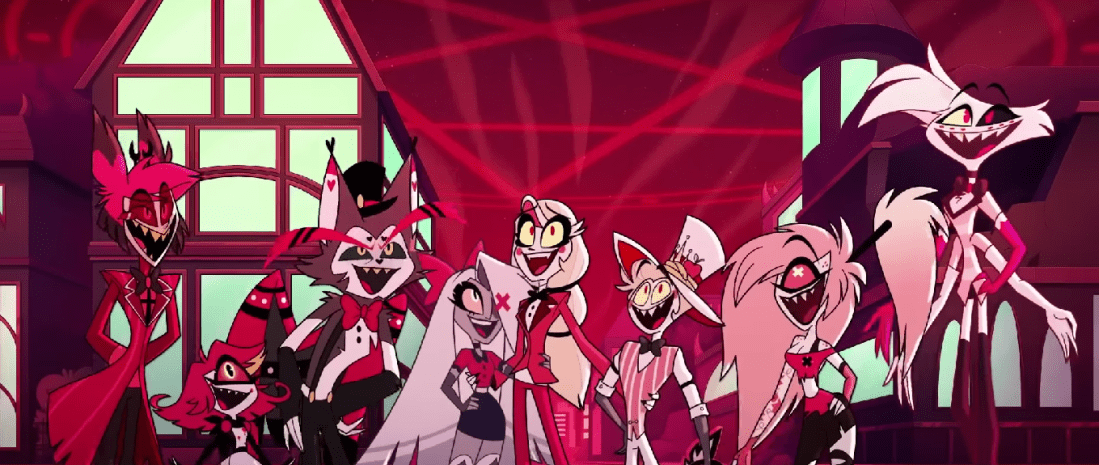


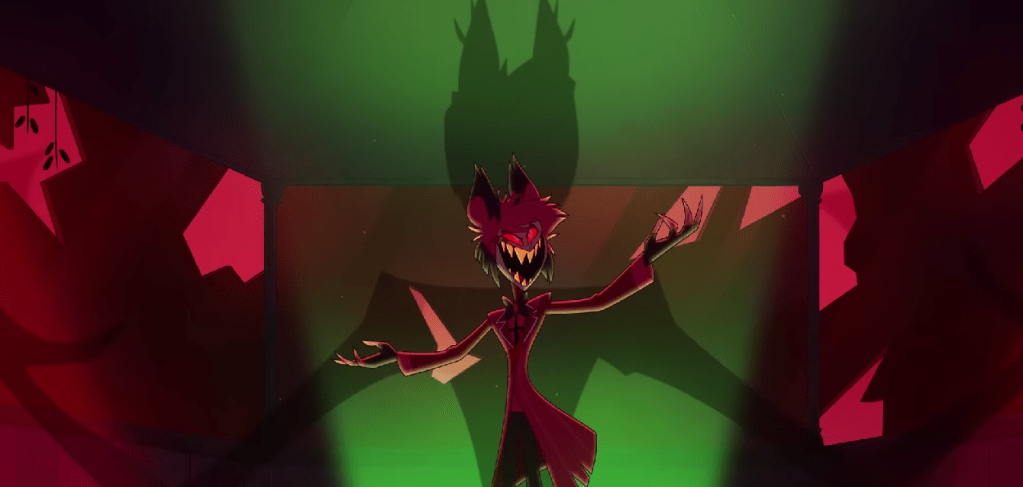
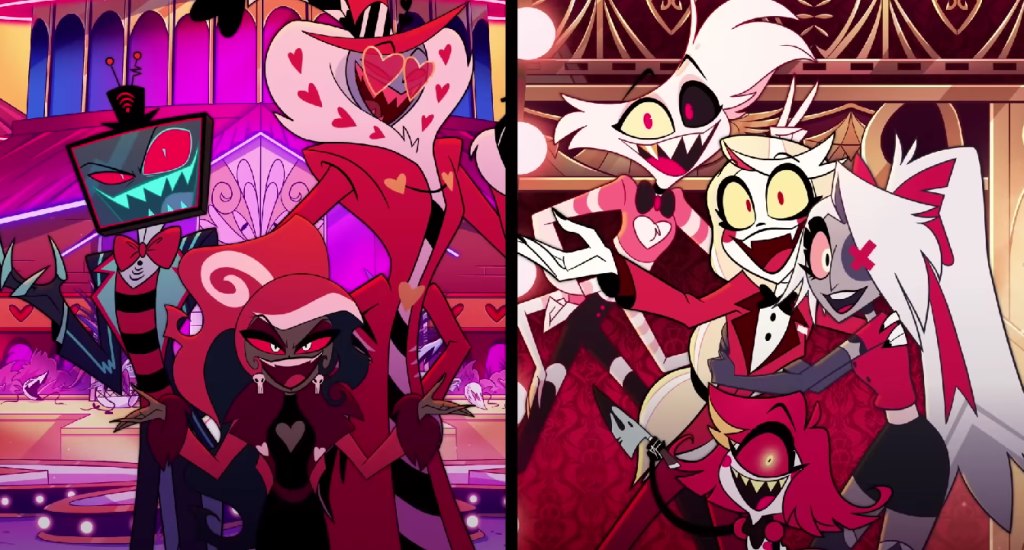
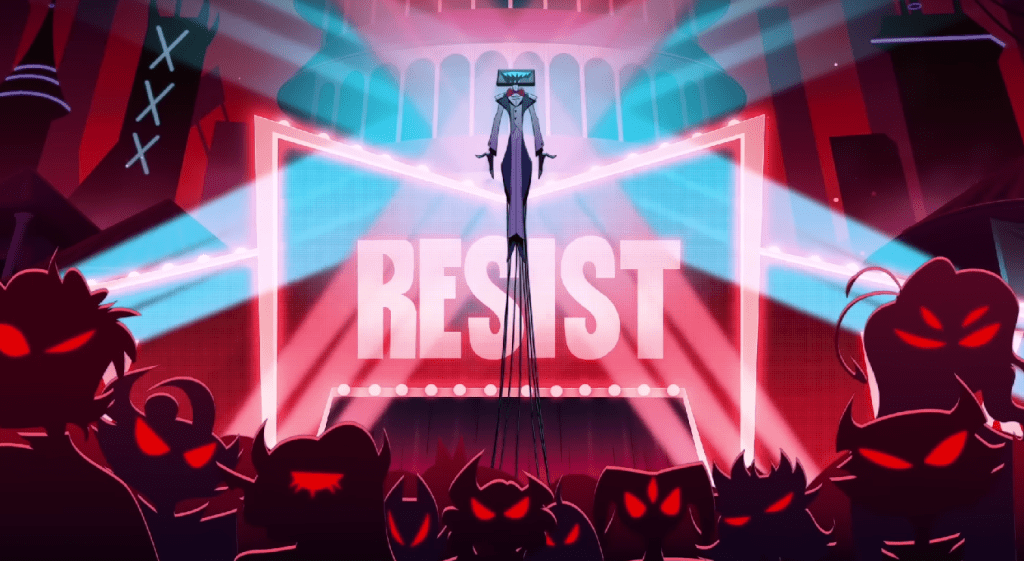

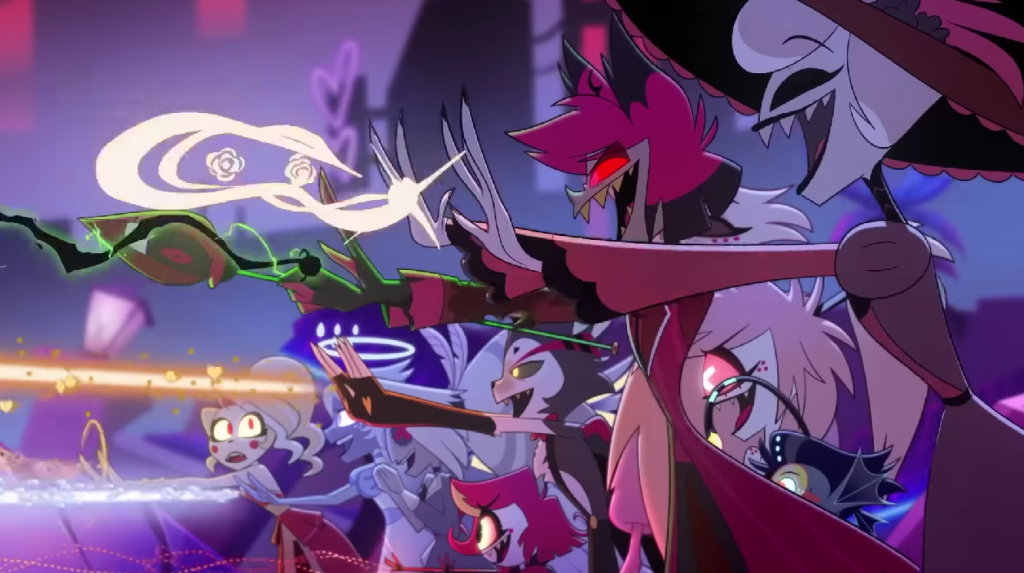
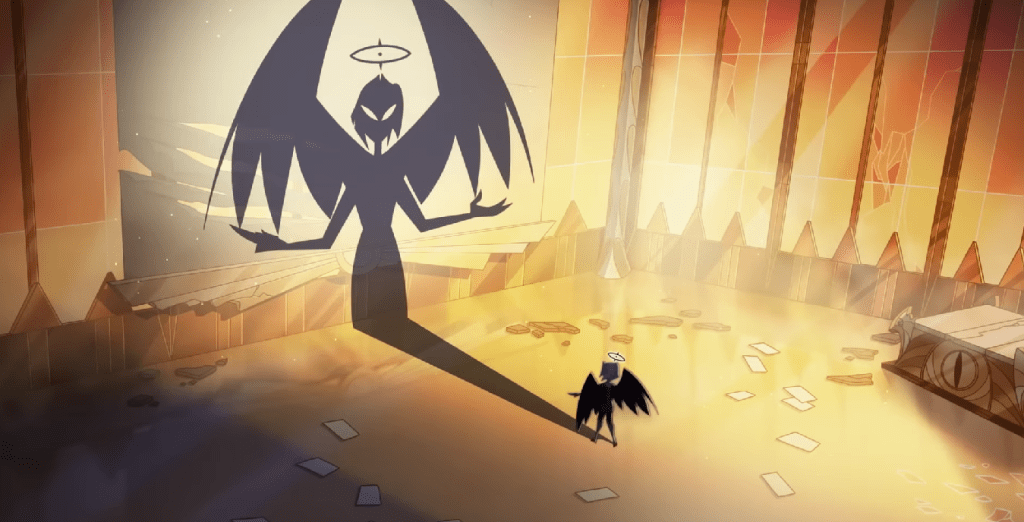
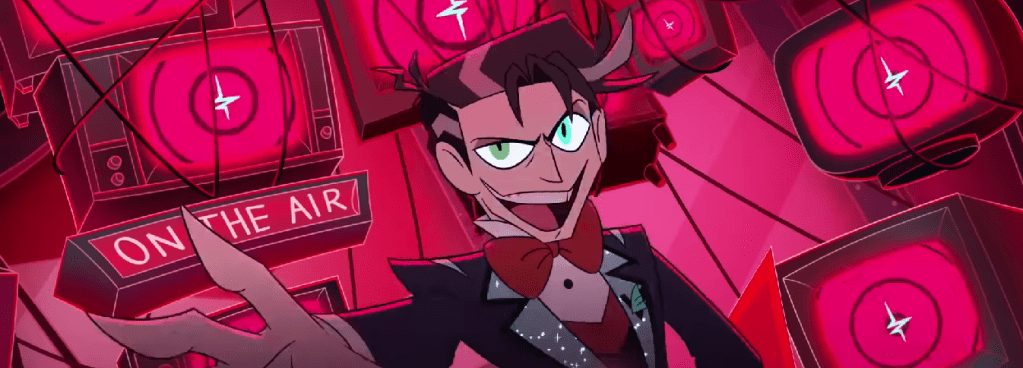
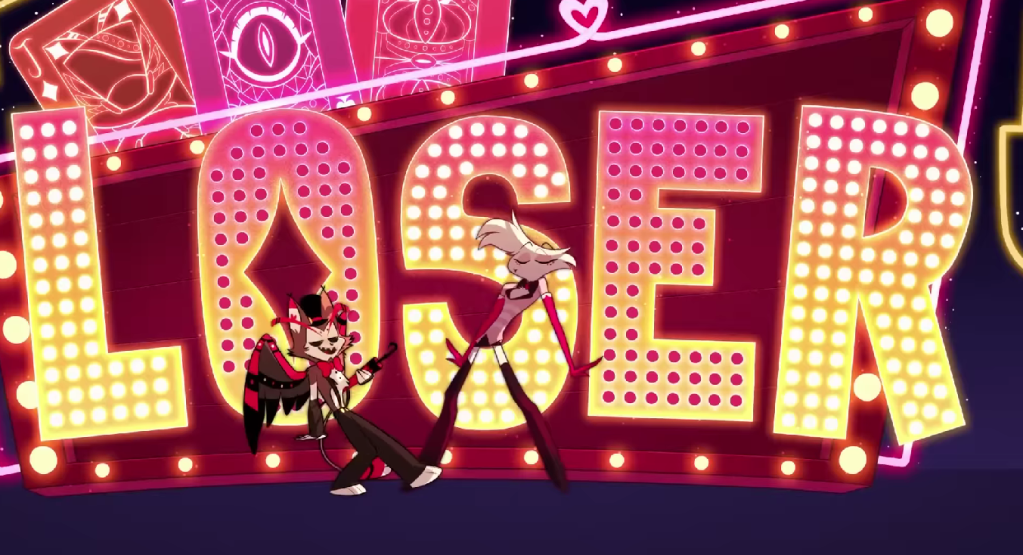
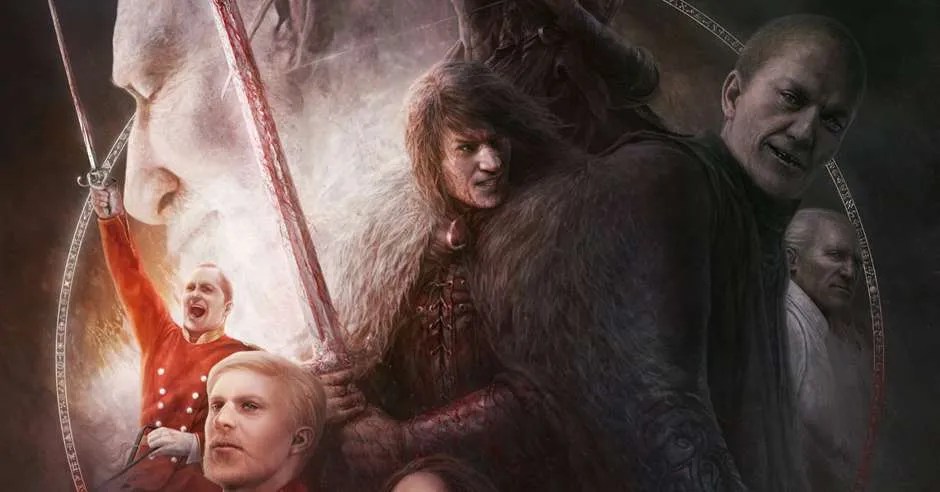






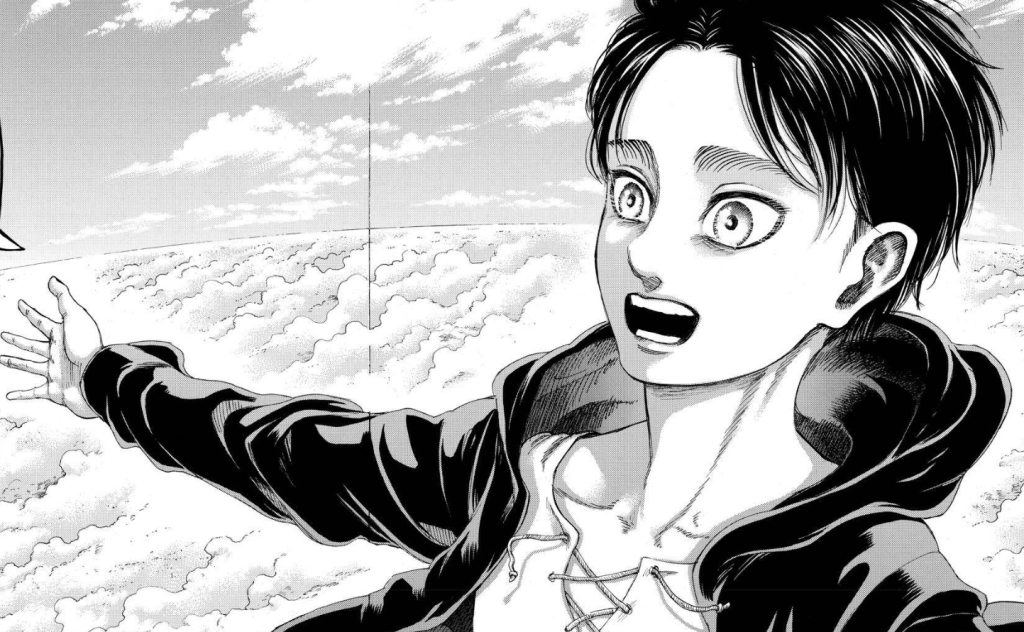

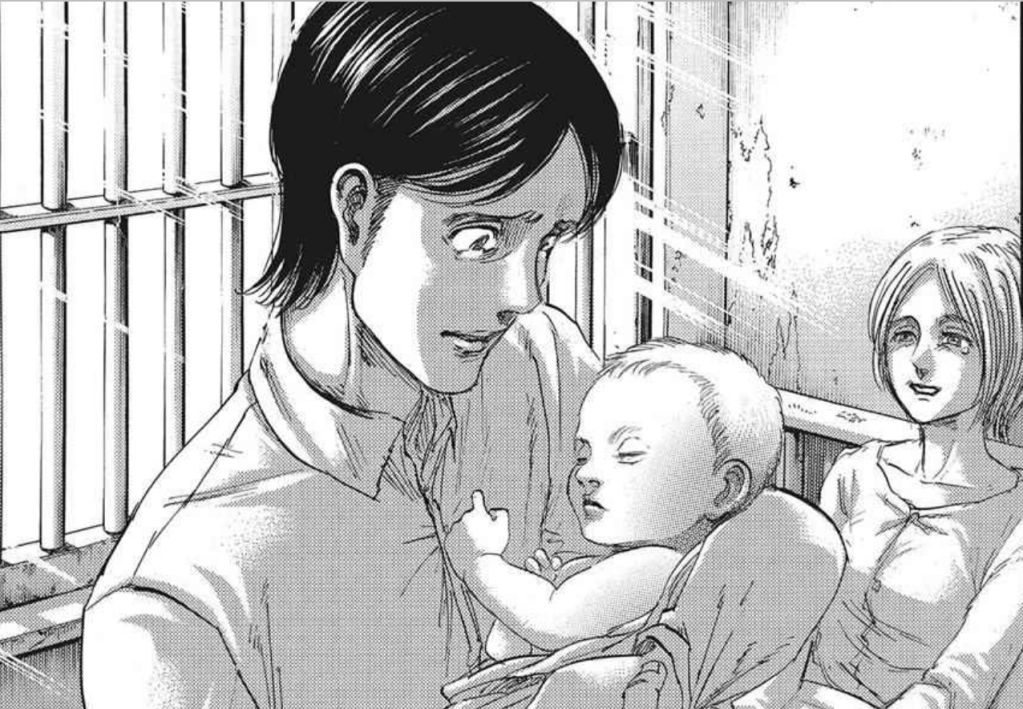
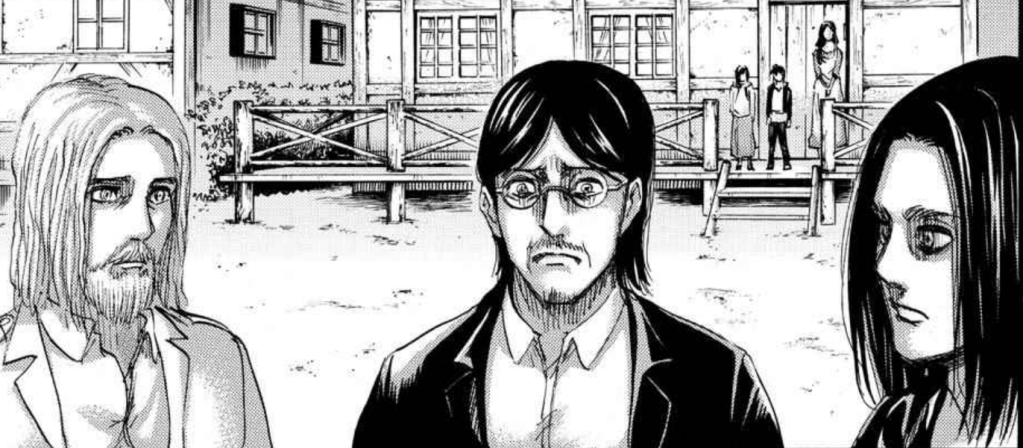





 THE REVIEW MONSTER