Hell’s Paradise Anime Review: Well-Animated or a Let-Down?

I know I have found a good story when I decide to read the manga rather than wait week by week to see the anime version of it.
This was my experience with the Hell’s Paradise Mappa adaptation.
I loved the first three episodes so much that I read Yuji Kaku’s manga over three days, being rewarded by a compelling story with incredible characters and inventive fights that worked perfectly with the theme of accepting strengths and weaknesses. 

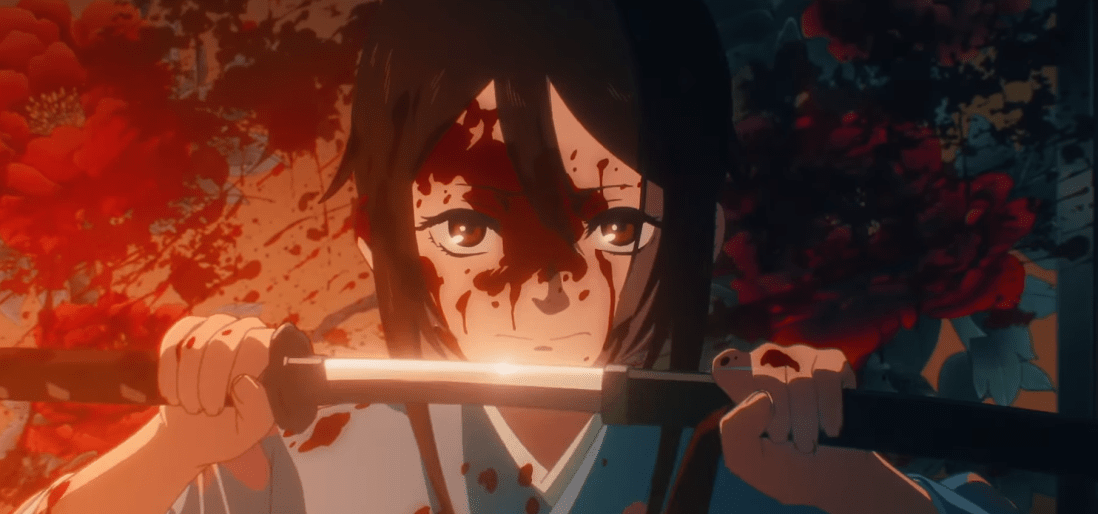
It was this scene which ultimately convinced me to read the manga..

From that point on, I was watching the anime not as someone experiencing this story for the first time but as someone who had read the manga and was judging the anime based on how well it adapted the source material.
This is where a lot of complaints from manga readers came in.
I saw many critcizing the adaptation as it was airing for the quality of its animation.
To be fair, I can understand why this criticism is happening.
The animation is clearly not up to the par of Mappa’s other brilliant adaptations, like Chainsaw Man.
However, the animation is still solid, with numerous excellently animated fights, like in Episodes Two, Nine, Twelve, and Thirteen. 

While some fights do feel a bit lacking, some of them are fantastically animated, especially towards the end.

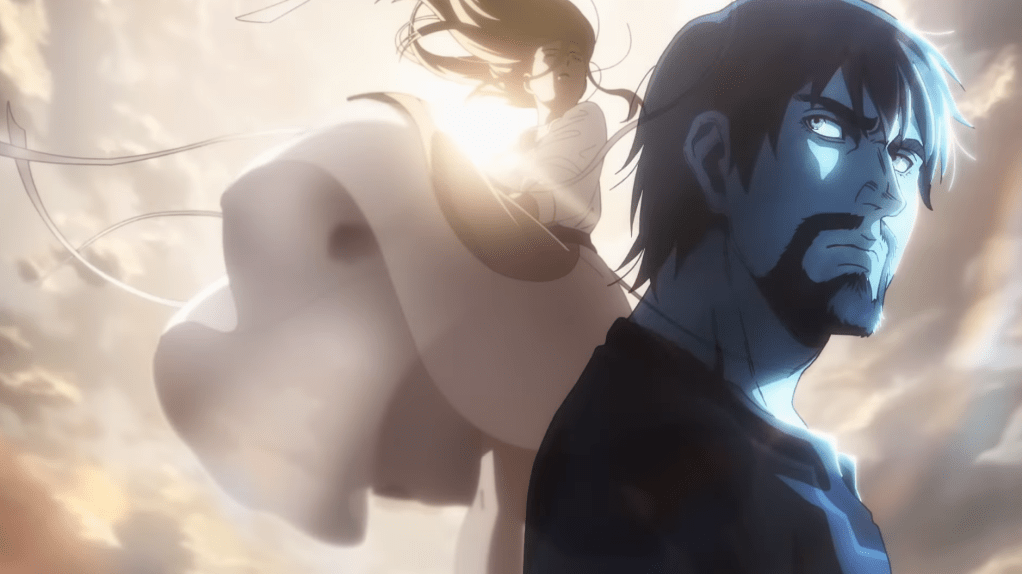
The story is also much the same as the manga, with Gabimaru the Hollow (Chiaki Kobayashi) travelling to a mysterious island with his executioner Sagiri (Yumiri Hanamori) to claim the Elixar of Life in the hope of receiving a pardon from the Shogun so he can see his wife again.
Gabimaru, Sagiri, and all of the other prisoners and executioners are well voiced and just as endearing as they are in the source material.
The themes are also well expressed, with signs of how they will eventually tie into the story in a big way in the coming seasons, how ever many there are. 

I am excited to see how Tao is portrayed in future fights.

Hopefully, the following season will have a bigger budget and more time to develop its animation so that it can reach the heights of the manga.
Again, the animation we got in this first season is very good but we know Mappa can do much better.
Although, in saying that, good treatment of their animators should come first because this was one of those anime where I heard rumors about the animators being under a lot of pressure again.
Overall, this was a good first season for Hell’s Paradise and I am anticipating its continutation.

Vinland Saga Season Two Review: From Epic Viking Tale to Epic Farming Simulator.

Vinland Saga is an all-time great manga and the first season of its adaptation, made by Wit Studio, was amazing.
After finally watching it, I was too interested to wait for Season Two and read the manga.
I was quite surprised by the direction Makoto Yukimura took the story, with the setting changing from the brutal viking battlefields to a farm.
This was far from a bad thing though as Yukimura crafted a beautiful arc centering around the horrors of slavery and pointlessness of war.
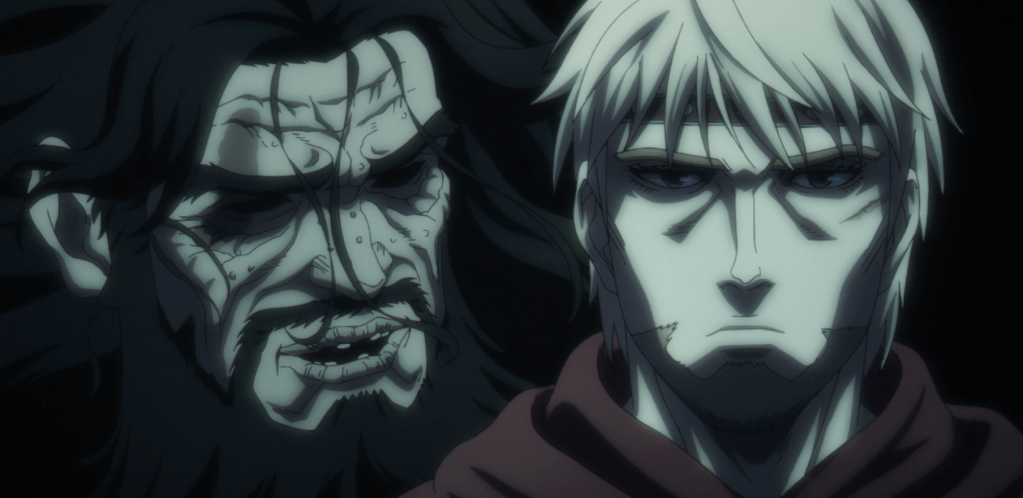
It also serves as the beginning of Thorfinn’s (Yūto Uemura) redemption, and now Studio Mappa has adapted this storyline flawlessly.

Thorfinn’s story of redemption is brilliantly adapted by Mappa.

Season One ended with a tease of various characters important to the future of the story.
One of these characters was Einar (Shunsuke Takeuchi), a man who was enslaved after his family was murdered.
Season Two’s first episode sees Einar being bought to work on a farm by land owner Ketil (Hideaki Tezuka).
It is here that he meets Thorfinn, who was also sold into slavery after Season One and is now aimless in his life and suffering from the guilt of what he did while working for Askeladd.
From there, the season follows the two as they work to gain their freedom and grow closer as brothers, while Thorfinn slowly changes for the better in realizing what he needs to do to become a true warrior. 

Thorfinn’s journey in Season Two puts on the path to becoming a true warrior.

At the farm,Thorfinn, Einar, and the audience are introduced to various interesting new characters like Snake (Fuminori Komatsu), Arnheid (Mayumi Sako), Sverkel (Mugihito), and Olmar (Yū Hayashi), all of whom have their own parts to play in commentating on the themes of the story.
All the while, Canute (Kensho Ono) is slowly consolidating his power, becoming more and more like his cruel father as each year follows, eventually building to a tense confrontation with Thorfinn.

While Thorfinn rises, Canute falls into darkness, until their fateful meeting.

Season Two’s story may be of lesser scope and have lesser stakes than the first season but this does not make it any less impactful, with Thorfinn’s growth being especially moving.
Accompanying the excellent arcs of many of the characters is the animation, which Mappa excels at as expected.
The score is also beautiful, with the piano notes composed by Yutaka Yamade being tear inducing during certain tragic scenes.
Speaking of the music, the openings for Season Two are also fantastic.
The first one is “River” by Anonymouz, which seems to highlight Thorfinn’s growth in the first half of the season, and the second OP is “Paradox” by Survive Said the Prophet, which appears to represent the challenges to Thorfinn’s new mindsets, including the consequences of the escaped slave Gardar, and the now ruthless Canute.  

Both OPs perfectly reflect the tone and events of each half of the season.

By the end of the season, it was clear that Mappa had done a masterful job of adapting the Farm Arc, both in their faithful recreation of scenes from the manga, and in new, interesting anime original moments like Einar’s past in the first episode.
I hope that Vinland Saga continues to get the brilliant adaptation it has been getting so far, with hopefully a Season Three and fingers crossed an eventual Season Four.