The Promised Neverland, Season Two, Episode Five Review: I Regret My Optimism.
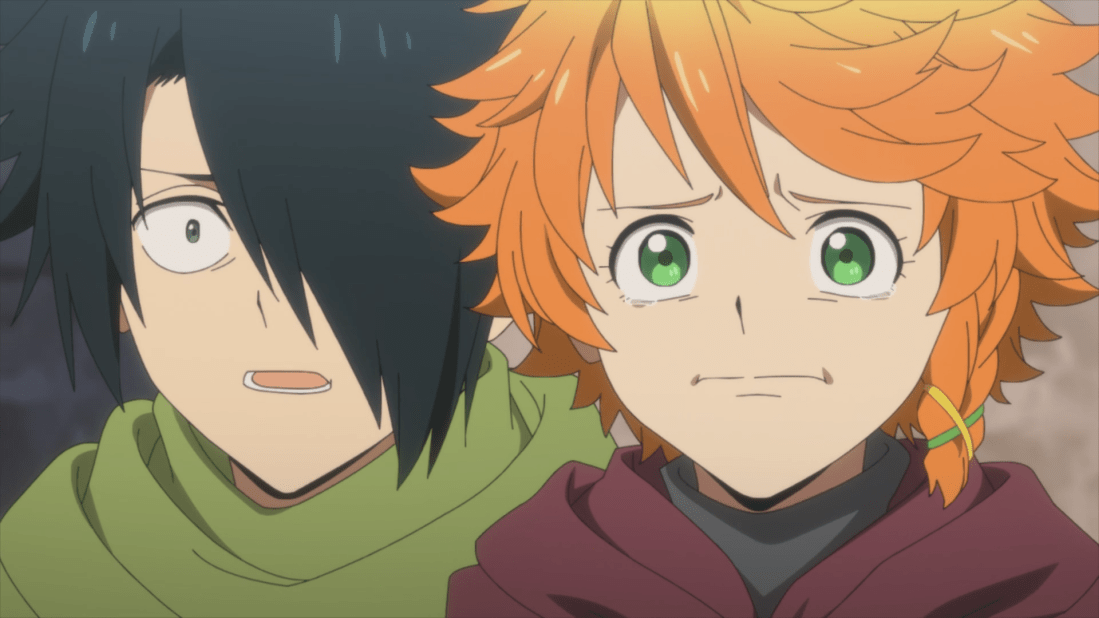
2 and a half stars
Well, I really jinxed myself by saying I was optimistic after The Promised Neverland Season Two, Episode Four, didn’t I?
The third episode of this second season made me really concerned with the direction the story was going, with all the important cuts, including my favourite character being completley gone.
Then Episode Four happened and I began to regain some hope.
Sure, there were things that were handled rather poorly, like the laughably incompetant soldiers, but brand new scenes, like Isabella being recrutied to hunt the children, made me optomistic about where this anime original storyline could go.
However, Episode Five has now come out and, wow, did it drop the ball.
Directed by Takahiro Harada, the episode picks up a full year after the last one.
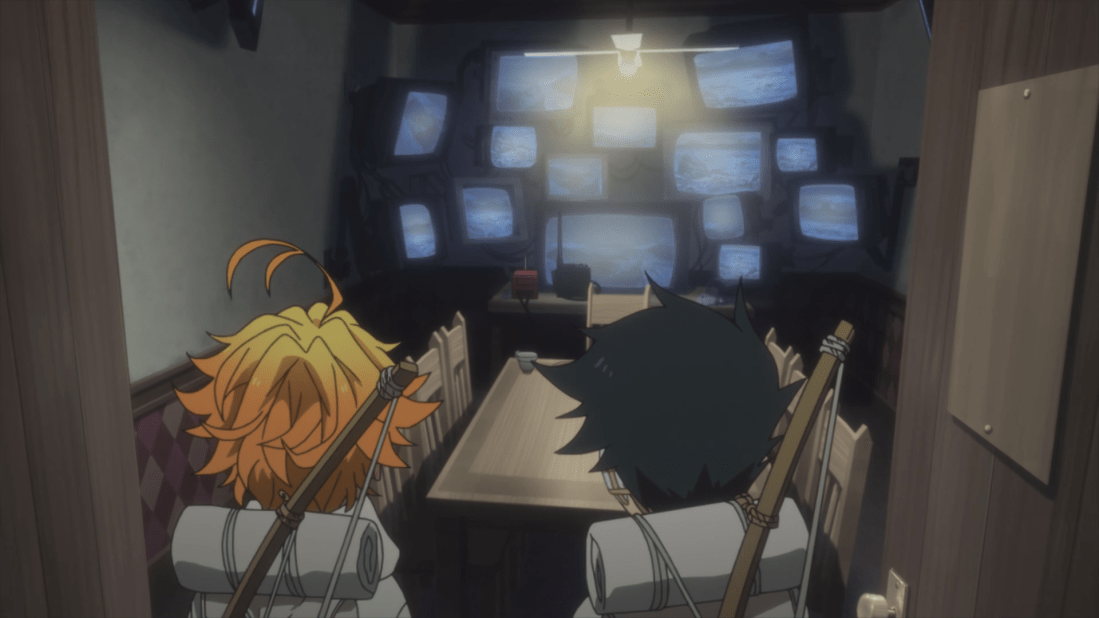
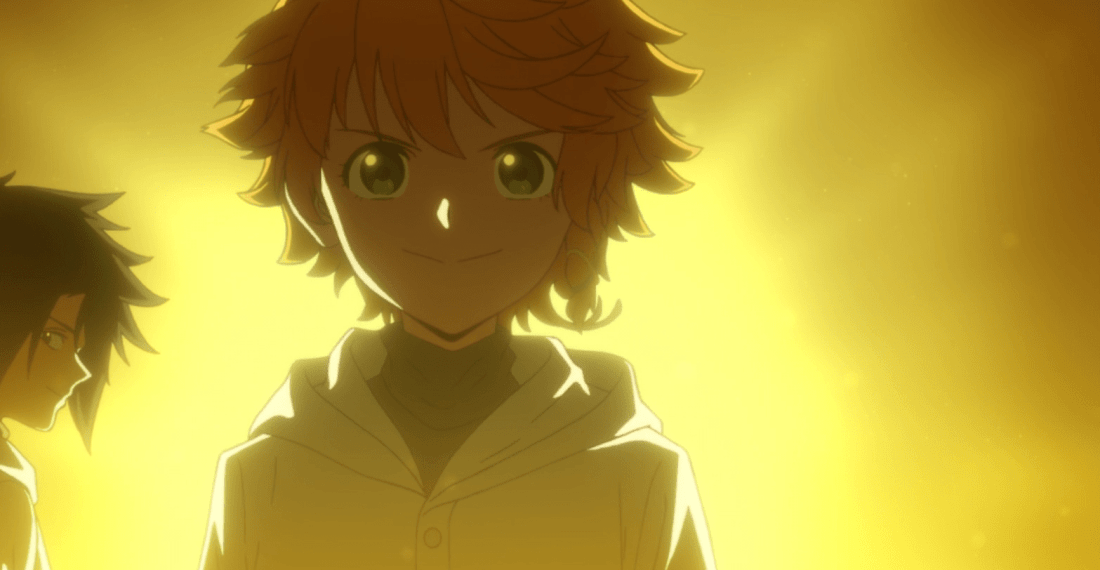
That’s right, we have skipped a year immediately after the children escaped the bunker and now they are living in the demon world.
How did they survive so long with all of the intelligent demons, wild demons, and armed humans hunting them down?
Good question because the anime offers absolutley no explanation.
See, this is why skipping over 60 chapters is an incredibly bad idea because it means where you pick up the story from will make absolutley no sense and, in this episode, it makes little.
How did the children get the material to disguise themselves as demons?
How have they not been noticed before when they got so easily noticed this time?
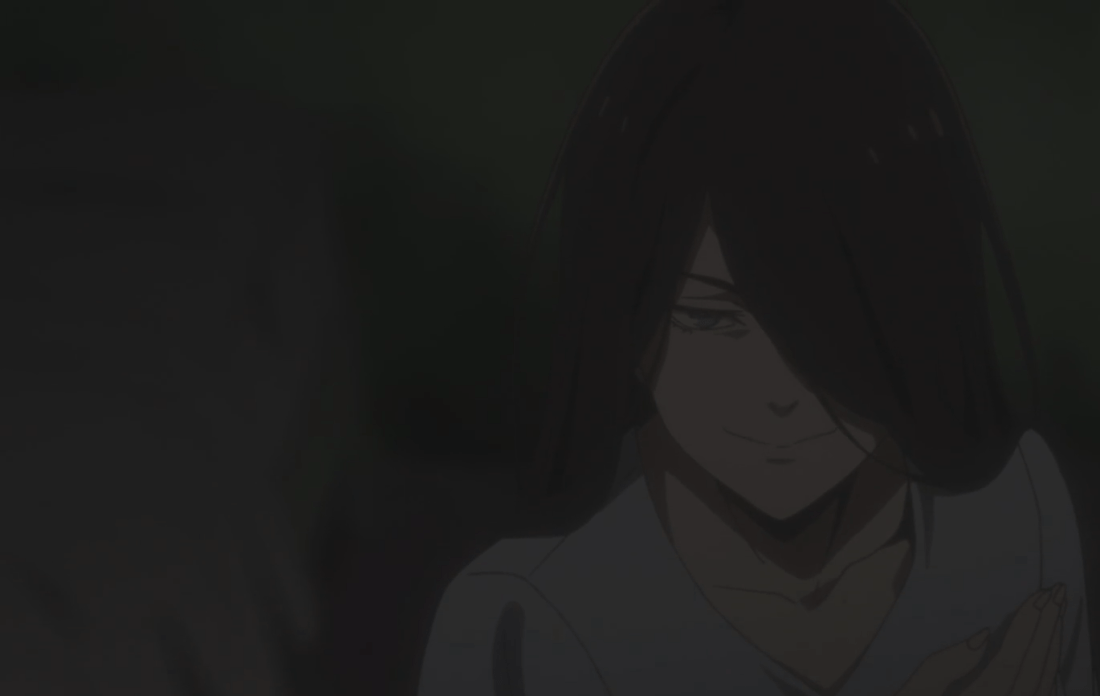
Most importantly, how is Norman back so soon with absolutley no build up?
This last moment, which is the cliffhanger of the episode, has almost made me lose hope about the quality of the rest of the season entirely.
The build up to Norman’s reveal in the manga, with Norman acting as the new William Minerva, was absolutley fantastic.
Here, he just shows up with no setup whatsoever and it comes off as extremely anticlimactic because of this.
Also, while it’s nice to see Maaya Uchida back as Norman, it’s only been seven episodes so he hasn’t been gone long enough that his return is a surprise.
Norman’s incredibly bland return and the other plot holes created by the episode are not the only problems, unfortunately.
First of all, the time skip made the scene hyping up Isabella last episode almost pointless.
She was tasked with hunting the children and she just failed for that entire year.
I don’t think the demons would have been too happy with those results.
Also, the chase scene in this episode, which leads into Norman’s return, is pretty bad because it lacks any tension.
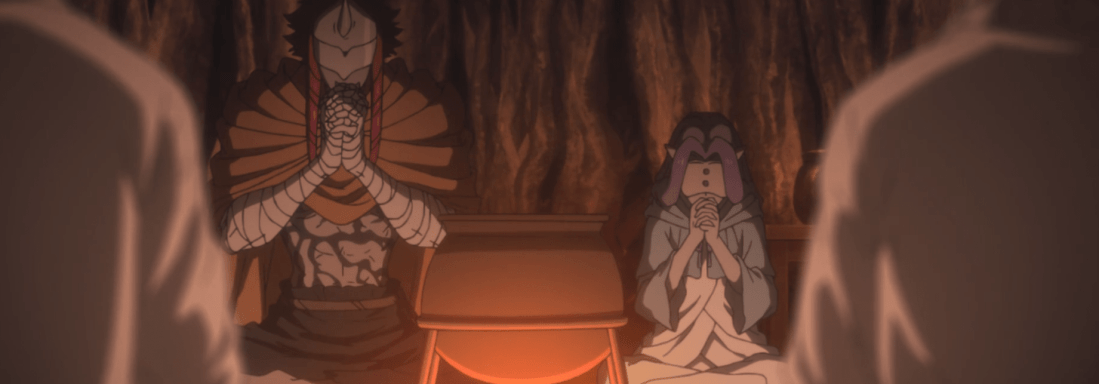
To be fair, there are some moments that saved the episode from being terrible, like Emma’s interaction with the blind demon and the exploration of deterioration with the two sympathetic demon children.
However, the rest of it made me very disappointed, with the numerous amount of plot holes in numerous scenes.
It honestly feels like the anime is just going to end with this second season, given how much has been completley skipped over and the direction the story is going.
It feels like it’s going the Tokyo Ghoul adaptation route and I really hope it can find some way to prove me wrong about that.
Unfortunately, next episode is supposed to be a recap episode so it looks like those hopes are probably going to be crushed.

The Promised Neverland, Season Two, Episode Four Review: Slightly More Optimistic Now.

3-stars-out-of-5
Episode Three of The Promised Neverland Season Two made me very concerned about the direction the anime was going, what with all of the cut content and changes.
However, after Episode Four, I’m feeling slightly more optimistic.
I still have concerns but I feel a little better about where the story may be heading.
Directed by Kakushi Ifuku, the episode follows the Grace Field children’s time spent at the bunker, which skips over quite a lof of chapters from the manga.
I’ll get my criticisms out of the way first because it’s easier which, again, is mostly down to the changes.
Right after the opening, with Emma being told the truth by a recording from William Minerva, or rather James Ratri, the episode quickly desolves into a bunch of segments that feel like filler.
Given what we could have been getting if the episode had just adapted the manga, this feels like an extreme downgrade.
Although, people who haven’t read the manga that watch this episode may actually these scenes, so I will admit I am biased in my sentiment.
My bias extends to the downgrade for the attack on the bunker, which is not only incredibly rushed but also laughable compared to the manga with how terribly incompetant the soldiers are.
These clear downgrades from the source material would have brought my opinions of the episode into the negative and would also have increased my fears for the whole season, if it wasn’t for the saving grace of the episode: Isabella.
One of my criticisms of the manga is that characters like Isabella did not get the screen time they deserved.
Well, now it seems that the anime is fixing this issue because Isabella is getting a brand new, anime original storyline, where she is tasked by the demons to hunt the remaining children.
This actually got me excited for what role she would play and I already have my theories about what could unfold in the future because of this, like that the demons potentially offered Ray’s saftey in return for her help.
This and the opening scene where James Ratri informs the children about his backstory, with a recorded phone message, not only saved the episode for me but also gave me some hope about the future of the story.
As I said, I still have my worries, increased by the preview, which seems to suggest a time skip, which would be way too early but, again, we’ll just have to see how this all turns out.
Overall, Episode Four is a decent episode that both has me concerned and makes me more optimistic for the rest of The Promised Neverland Season Two.

The Promised Neverland, Season Two, Episode Three Review: Where Did You-Go?

3-stars-out-of-5
I was very excited for episode three of The Promised Neverland Season Two because it was supposed to be the episode where my favorite character in the manga would be introduced.
Alas, it was not to be.
I had heard rumors that The Promised Neverland would be going anime original before the season started airing but I had no idea it would be to this extent.
Not only was an incredibly important character from the manga missing, who, again, is my favorite character, but also many important scenes hinting at the future of the story were removed as well.
Since the episode aired, it has been pretty much confirmed that the rest of the season will be anime original and, honestly, I am very concerned about this.
If they had stuck to the manga then the story would currently be adapting my favorite arc of the entire story, so of course it is worrying to see this part of the story that I love so much being changed.
This could either go really good or really bad for The Promised Neverland Season Two.
However, I need to make it clear that, despite my concerns, I still enjoyed episode three.
Although, if I had not read the manga I would certainly have enjoyed it a lot more because my negative points about the episode mainly revolve around how the changes in the story could become problematic as the season goes on.
As for the actual episode itself, it is well done, with director Yayoi Takano delivering a good adaptation for what was kept, like the opening goodbye between the Grace Field children and Sonju and Mujika.
This part of the episode revealed a much darker to Sonju because it is revealed that he saved the children so they could survive and have children of their own, which he could then eat in the future since this would be in line with his religious beliefs.
Before departing though, Mujika shares a goodbye where we get our first removal of a vital manga scene, with an important line Mujika says being removed, the first of many such removals.
Then we get a brief action scene of Sonju facing off against the demons from the farm, which is pretty enjoyable, before we see the kids reach the bunker and the whole slew of manga scenes that have been left out becomes apparent.
It was honestly hard for me to focus on the rest of the episode when we got to the big scene where the important character was supposed to appear but didn’t.
This makes me concerned that his introduction being changed may damage his character arc somehow, if he hasn’t been removed from the story all together that is.
God, please don’t let him have been removed from the story.
In any case, now the kids have reached the bunker and seem to have a good base of operations for a while.
Or do they?
The cliffhanger of the episode has Emma and Ray finding a phone, much earlier than they do in the manga, and answering its call, while the other kids find deranged writings on a wall, which is thankfully a sign that the missing character is still around.
In any case, this cliffhanger with the phone does make me interested to see how episode four will diverge from the manga.
Fingers crossed that the anime original story Season Two appears to be going down is just as good, if not better than the original story arc.
At least in the next episode I will be expecting drastic differences this time around.
Overall, episode three is a decent episode, despite its changes from the source material.
I am concerned about the future of the anime, though.
Still, who knows?
Maybe it can surprise us.

The Promised Neverland Season Two, Episode Two Review: The Truth of This World.

4 stars
After a great start to the second season of The Promised Neverland, episode two continues the quality of the last, delivering plenty of new information for the story, and formally introducing two new and interesting characters. 
These two characters are Mujika (Atsumi Tanezaki) and Sonju (Shin’ichirō Kamio), two demons who, mysteriously, do not want to eat Emma, Ray and the other Grace Field children. 
Directed by Ayako Kurata, the episode follows the kids getting to know these two demons, their way of life, and eventually learning the truth of their world, or rather worlds. 
I say worlds because Sonju reveals later on in the episode that the demon and human worlds are split because of a 1000 year old promise.
Humans and demons had been in constant state of war before this, and the promise not only separated their worlds but allowed peace between them, at the cost of many sacrifices because those humans who were left behind are now breed, butchered and fed to the demons as livestock, in various farms.
This is a startling revelation that makes Emma and Ray cheer for joy, much to Sonju’s, and I’m sure the audience’s, shock. 
The reason for their excitement is because, even though they are in a terrible situation, Emma and Ray now know that there is a place for them in the human world, they just have to get there. 
Although, this will obviously be a tough ordeal because, as Sonju and Mujika point out, they are an exception, not eating the children for religious reasons, and most demons who gladly gobble up the Grace Field kids.   
Along with this dark piece of information, however, there is also humor, with a scene of Gilda comedically coming at Emma with a fire in her eyes, demanding that she not push herself until she faints again. 
This humorous confrontation then transfers to Ray, who is told by the younger children that he keeps trying to die, not helped by Sonju comedically cutting in to say that Ray definitely would have died if he hadn’t saved him. 
Sadly, the entire episode can’t all be jokes because we have to get into the depressing stuff again, as Emma loses another piece of her innocence, when she asks to go hunting with Sonju. 
Emma manages to kill a bird for food, with Sonju’s guidance, and I absolutely love how this scene  was framed to mirror Conny’s death from the very first episode, with the falling water droplet. 
Even more of a parallel is when Sonju has Emma perform the act of Gupna on the bird, draining its blood with the vampiric plant Vina, again, just like Conny. 
This tragic scene is immediately followed by the cliffhanger of the episode, as Emma’s face is revealed, looking extremely depressed, despite her claims that she is fine, showing how she has lost more of her innocence. 
Given how long of a journey she and the Grace Field children have, if they are to ever reach the safety of the human world, it is very likely she will lose more of it. 
All in all, episode two is another enjoyable episode of The Promised Neverland  season two, and it will be interesting to see if this quality can be maintained, or even grow, as we get closer to my favorite arc of the story. 

The Promised Neverland, Season Two, Episode One Review: A Beautiful Yet Cruel Freedom.

4 stars
The Promised Neverland 
is finally back.
I was already excited enough with Attack on Titan‘s final season airing but, with the second season of the adaptation of Kaiu Shiari’s great manga airing at the same time, and possibly being about to adapt my favorite arc in the manga, I might just collapse from overexcitement.
I started watching The Promised Neverland about four episodes into its first season and was immediately hooked to the point that, when I learned that the Covid-19 Pandemic had delayed season two, I read the manga.
Well, after the wait we finally have the first episode of that second season, which puts the follow up off to a promising start.
Directed by Takahiro Harada, the episode picks up after Emma (Sumire Morohoshi), Ray (Mariya Ise), Don (Shinei Ueki), Gilda (Lynn), and many other children escaped from the Grace Field House, where they had been unknowingly raised as demon food by their “mother”, Isabella.
Now free, but without their good friend Norman, who was shipped out, and the young Phil, who stayed to look out for the other younger children, Emma and the others are free to explore the outside world.
However, as Emma points out in the opening scene with her inner monologue, “freedom is so beautiful… Yet so cruel.”
This line, while sounding very similar to something Eren Jaeger would say in Attack on Titan, is a great way to kick off the episode, as it is revealed that the children are being chased by a giant demonic lizard.
The outside world is clearly just as dangerous for the children as it was at the Grace Field House, with another kind of predator pursuing them.
However, there is also the kind from season one hunting them down as well because the demons are back, angered by the children’s escape.
Before we get to these pursuits though, the episode cuts to before all this, when the children had time to get their bearings.
We have a cool discussion between Emma and Ray where it is shown just how much Ray has grown from his suicide attempt in season one, now being dedicated to protecting his family and survive with them.
Emma and the gang also come up with a plan, using the equipment gifted to them by William Minerva to locate him.
This equipment includes a pen given by Sister Krone to Norman, who then gave it to them, and a book that shows them how to survive in the outside world.
The book is an interesting thing about the episode because it is here where a lot of content from the manga was cut.
In the original story, there was quite a long scene where Emma and the others got trapped in a giant man-eating plant, which they escaped with help from William Minerva’s book, proving its usefulness in escaping danger.
This is changed in the episode to them learning this through just finding out where to get water with help from the book.
Now, usually I’d be against such a large scene being cut from an adaptation.
You only need to look at my review for episode three of Attack on Titan‘s final season to know that I mostly disapprove of large deviations from the source material.
However, surprisingly, I actually don’t have an issue with the cuts in this episode because the scenes that were left out do not contribute that much to the overall story.
The big scene that is cut is basically just a long side quest that proves one piece of information that was simplified quite well in the episode.
Some fans are concerned that these cuts mean that the season will be rushed, with many important scenes removed but I really don’t think that, at least not yet.
Sure, there were a lot of cuts but, as I said, these cuts were made to simplify scenes that were really not that important to the story or character arcs in the manga, so I can see the important scenes being left mostly intact.
This includes the scenes with the two demon characters who rescue the children from their demon pursuers at the end of the episode, after Emma collapses and Ray is almost captured.
I really like these demon characters in the manga and I can’t wait to see how the adaptation will handle their role.
In any case, the ED seems to suggest they will have a bigger role at this point in the story than they did in the manga, with some great symbolism, like the female demon’s shadow looking eerily familiar to a cross.
The OP, “Identity” by Kiiro Akiyama, is also really good with a lot of great visuals to get you excited for what’s to come.
And, with the cliffhanger of the demons having saved the children, raising questions about why demons are helping their supposed food in the first place, a question Ray asks, there is certainly a lot to be excited about.

The Umbrella Academy Season Two Review.

4 stars
I quite enjoyed the first season of The Umbrella Academy. 
Based off the comic by Gerad Way and created by Steve Blackman for Netflix, the show followed the dysfunctional, superpowered family of the Hargreeves as they attempted to stop the end of the world… only to inadvertently cause it.  
Now, we finally have season two with the family now trapped in 1963 with ten days to stop the end of the world… again.
And all of the Hargreeves family have their own storylines and new characters to interact with.
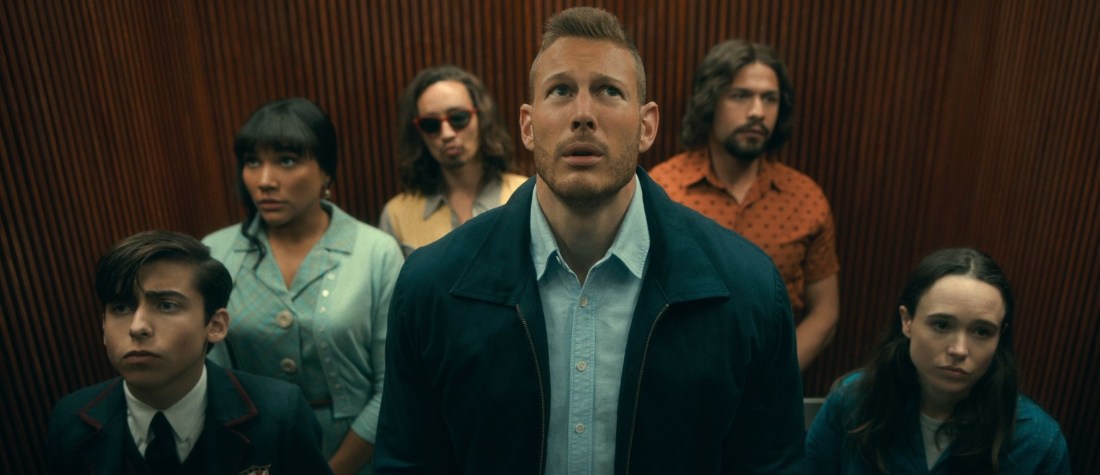
There’s the literal ticking time bomb Vanya (Ellen Page), gorilla bodied Luther (Tom Hopper), justice seeker Diego (David Castañeda), rumor girl Allison (Emmy Raver-Lampman), addict Klaus (Robert Sheehan), and older man trapped in a younger man’s body Five (Aidan Gallagher). 
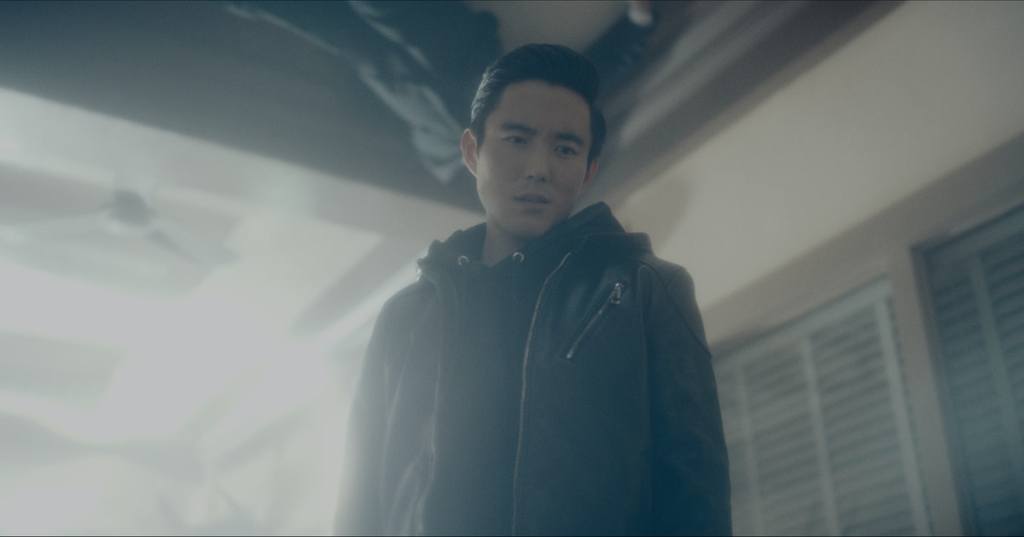
Surprisingly though, I would say that my favourite character of the family this season would have to be Klaus’ ghost buddy Ben (Justin H. Min) who has a great arc.

Ben was unexpectedly the best character this season and Min does a great job playing the ghost sibling

However, I will say that the way Klaus treats Ben did make me like Klaus a lot less as a character.
Onto more positives now, we also get more insight into the Umbrella Academy’s horrible father Reginald Hargreeves (Colm Feore), with one of the best scenes in the season being a meeting between him and the family he traumatized. 
As for new characters, many of them are great, with Allison, Vanya and Diego’s love interests Ray (Yusuf Gatewood), Sissy (Marin Ireland), and Lila (Ritu Arya) being especially interesting with their storylines. 
We also got some pretty fantastic action scenes this season, like the opening battle and a fight with Five in the middle. 
As well as this, the show is not afraid to go into weird territory with things like a talking fish and aliens, along with the bulk load of weird stuff from the first season. 
Although, I will say that season two is not all good. 
For one thing, I was disappointed with how some amazing characters from the first season were written out.  
Not only this but even though I said some of the action sequences are great, some are rather bad. 
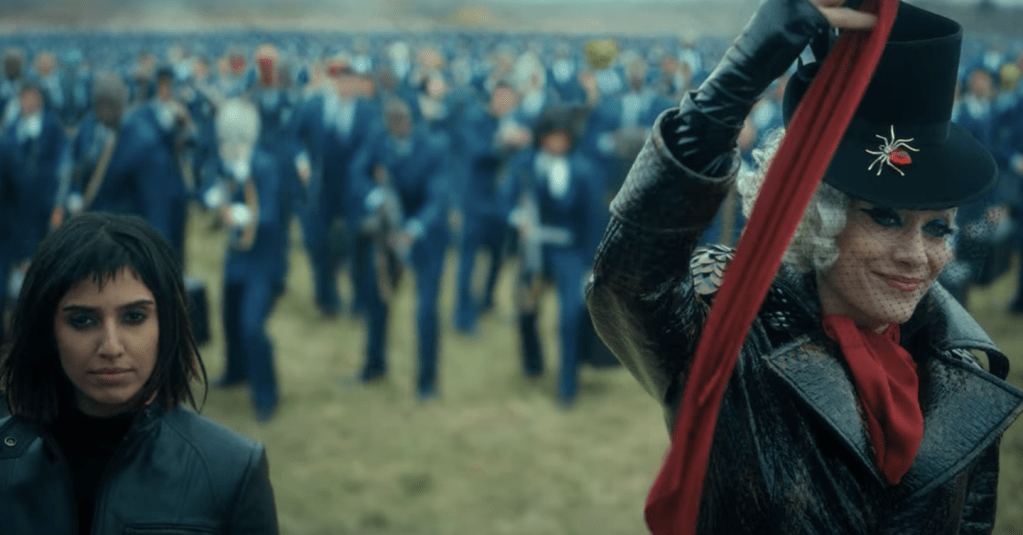
This is the case for one of the final battles of the season, which has the absolute worst case of Stormtrooper aim that I have ever seen.  

Seriously, there’s an entire army shooting at our heroes and somehow all of the bullets miss. How is that possible?

There is also some character logic that doesn’t really make much sense when you think too much about it. 
Still, despite these issues, the second season of The Umbrella Academy is a solid season that I would rank just as good as the first.
It has a great cliffhanger that prepares us for more craziness with this crazy family next season.

Mindhunter Season Two Review: The Terror Continues.

4 stars
I loved the first season of Mindhunter.
Created by Joe Penhall, and with many episodes directed by David Fincher, The Netflix series hooked me right off with its disturbingly realistic portrayal of actual serial killers.
I was eagerly anticipating the second season, and we finally got it now, two years later.
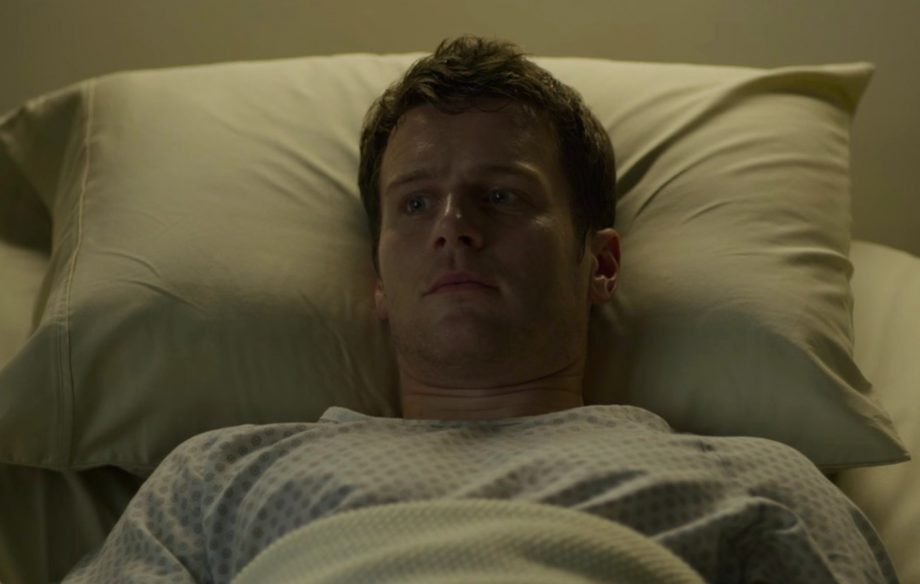
The second season picks up with Holden Ford (Jonathon Groff) recovering from his encounter with Ed Kemper (Cameron Britton) at the end of the first season.
After getting released from a mental hospital by Bill Tench (Holt McCallany), Holden meets back up with the team, consisting of Tench, Wendy Carr (Anna Torv) and Gregg Smith (Joe Tuttle), in their studies of serial killers.
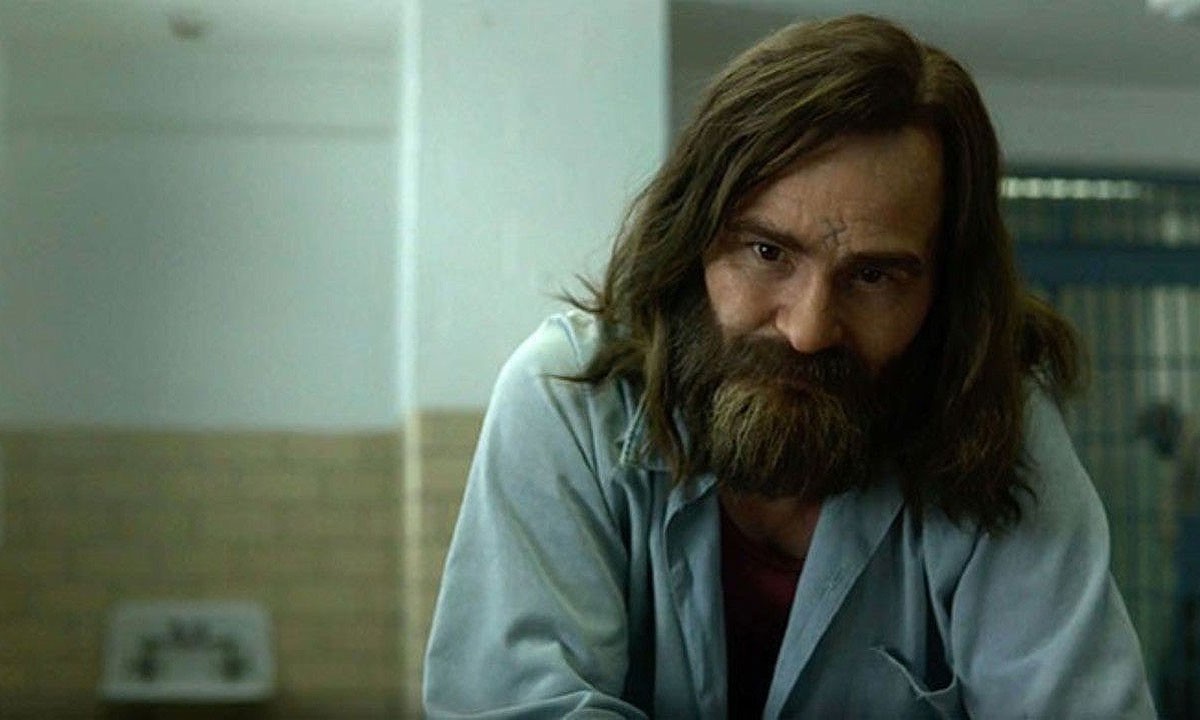
What follows is a season that sees the characters interviewing a wide ranger of terrifying murderers, like David Berkowitz (Oliver Cooper), and those who manipulate others to kill, like Charles Manson (Damon Herriman).

Manson
Many of the killers interviewed look just like they do in real life, with Manson and Berkowitz looking particularly true to life.

Most terrifying of all are the investigations into the BTK killer, Dennis Rader (Sonny Valicenti), and the Atlanta child murders, which eventually becomes the main focus of the season.
Just like the first season, what makes Mindhunter season two so scary is its horrifying realism.
Again, no murders are shown but the aftermath of these crimes, and the way they are explained by both the killers and surviving victims is horrifying.
This leads to one particularly disturbing scene when Tench is interviewing Kevin Bright (Andrew Yackel) a survivor of the BTK killer.
The way this scene is shot is so particular, the acting from Yackel so tragic, and the sound design so unnerving, that is makes the scene horrifying to watch, even though no violence is taking place.

survivour.jpg
The interview scene with BTK survivor David Bright is probably one of the most chilling scenes in Mindhunter season two.

It is particularly disheartening to hear Tench make assumptions about BTK, only for us to know he is completely wrong, meaning they are further away from stopping him.
Speaking of Tench, he has the best story this season, with a tragic family event that makes his interactions with the killers even more personal.
A scene where a confrontation takes place between Tench and Manson is particularly illuminating to Tench’s character.
It is not all great, though, because compared to last season Mindhunter season two does fall short.
There are quite a few plot lines that are dropped like Ford’s panic attacks, which are quickly forgotten about, and the cat Carr was feeding last season, which is oddly left out of entirely.

Fordy.jpg
The first episode acts like Holden’s panic attacks are going to be a major plot line only for them to be dropped pretty quickly.

As for Carr, herself, she does not have much of a role in the back-half of the season, and a romance storyline she has feels a bit too similar to Ford’s relationship from the previous season as well.
However, these problems do not diminish how great Mindhunter is.
It is still a creepy show, with great fictional characters and terrifying real killers.
I am already looking forward to season three.

My Hero Academia Season Two Review: Spectacular Fight Sequences Inbound.

5 stars
The first season of My Hero Academia was a good start to the anime and I saw a lot of potential in it.
Thankfully, this potential is fully realised in season two, which absolutely blew me away with its character development, animation, music, and downright phenomenal action sequences.
The season covers around three story arcs and each of them has a great mixture of all of these features I mentioned.
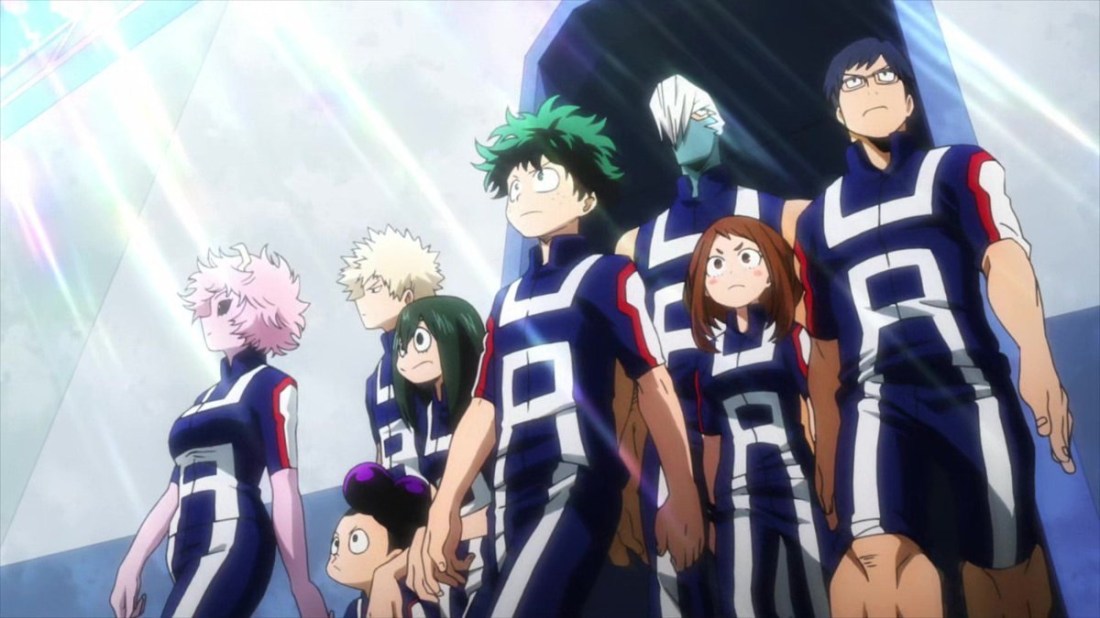
The first arc follows the U.A Sports Festival, where the training heroes compete in a tournament to be scouted by pro heroes.
During this arc, we get amazing character development from many of these characters, most notably Shoto Todoroki, voiced by Attack on Titan’s Yuki Kaji.
Other than knowing that he is extremely powerful, Todoroki left little impact on me in the first season but this all changes here.
He is now probably my favourite character of the series.
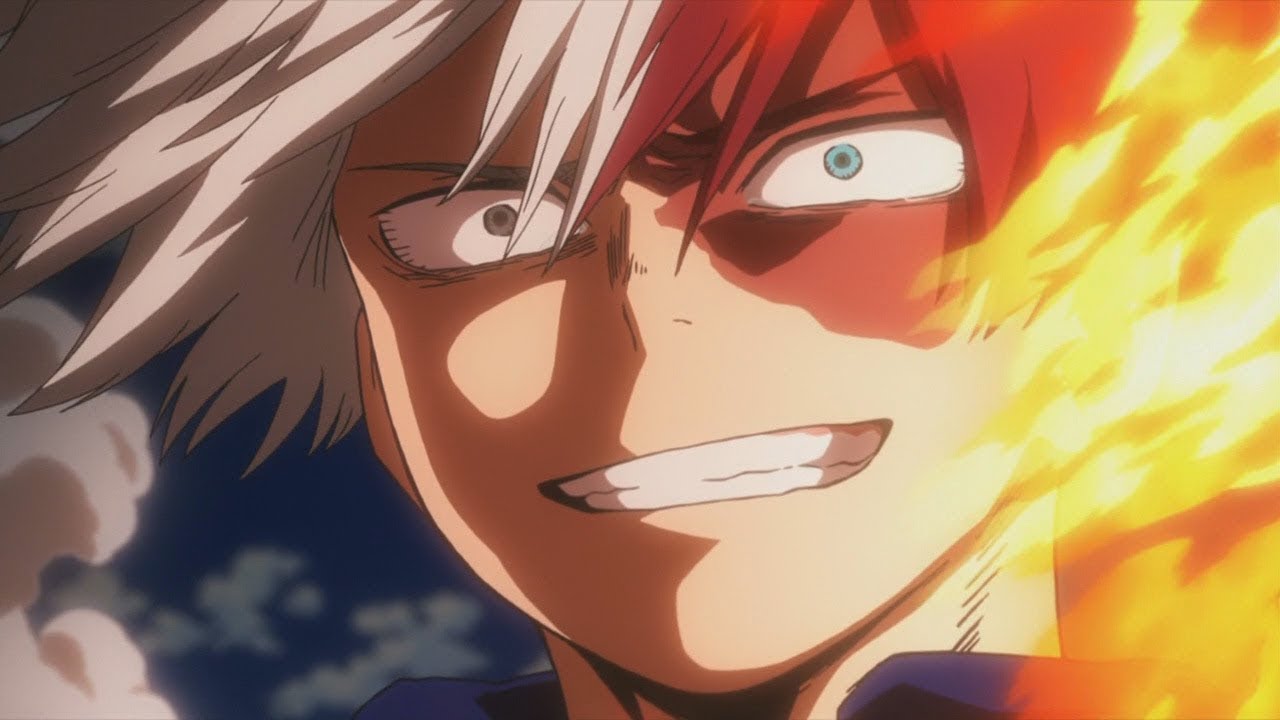
Along with this, his fight with Deku is one of the greatest fights I have seen, not just in anime but in everything that has been put to screen.

Todoroki.jpg
Deku’s fight with the scarred Zuko-I mean Todoroki, has to be one of the best fight sequences I have ever seen. 

Everything just combines in that battle to make it such an incredible moment from the character arcs, to the animation, music and shot composition.
This fight is not the only fantastic one, however, because there are two other phenomenal fights, with Deku and Bakugo having to face off against All Might for an exam and Deku, Todoroki and Iida facing off against the Hero Killer, Stain (Go Inoue).
Speaking of Stain, he is a fascinating villain with a complex ideology and moral code that makes him the series’ best antagonist so far.
I have my fingers crossed that we will see more of him in the future.

Stain.png
Stain is a very engaging villain, with his impact on the series looking to be very important compared to the other antagonists.

The season also goes into more detail about All Might’s backstory, and his rivalry with what looks to be the main villain of the series All For One.
We get to meet All Might’s teacher, Gran Torino (Kenichi Ogata) who I think may be named after the Clint Eastwood movie.
His introduction probably made me laugh harder than any joke in the anime so far.
As for the final episode, rather than the bombastic action one of the previous season, we get more of a meeting of the minds between our hero and villain that seems to set up their potential rivalry for future seasons.

nightmare fuel.jpeg
Tomura Shigaraki’s (Koki Uchiyama) meeting with Deku is especially tense, with Deku being literally one finger on his neck away from death.

Overall, the second season of My Hero Academia is downright fantastic, providing constant laughs, amazing character development and, of course incredible fight sequences.
If you can sit through the Deku vs Todoroki fight without your jaw dropping like me then I will applaud you.