Obsession Review: Simple Premise, Terrifying Execution.

I remember, years ago, I read a story where a character with mind control powers accidentally made one person fall in love with another.
The author of the story bizarrely treated this like a good thing, with it being implied the brainwashed character would come to accept their out of nowhere “love.”
Reading this sickened me because the character had a part of themselves erased and replaced with something forced upon them, and I was somehow supposed to see this as a positive thing.
When watching the latest horror hit Obsession, I was reminded of this story but surprisingly not in a bad way.
Not only does this movie treat its premise with the weight it deserves, but its main character felt like a representation of the misguided people who would write such a story.
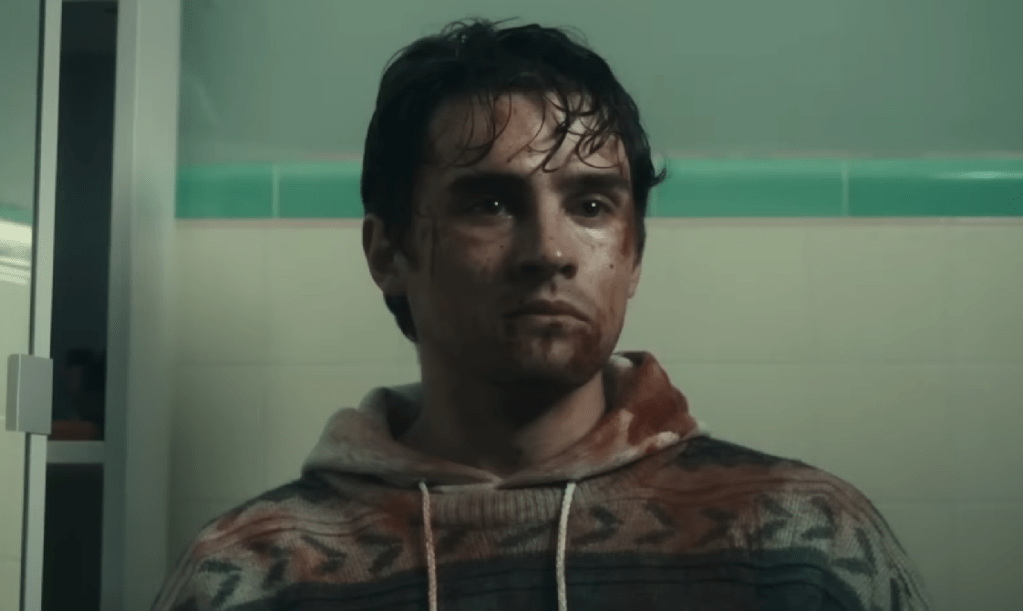
Although initially sympathetic, the main character eventually reveals himself to be the real villain of the film.

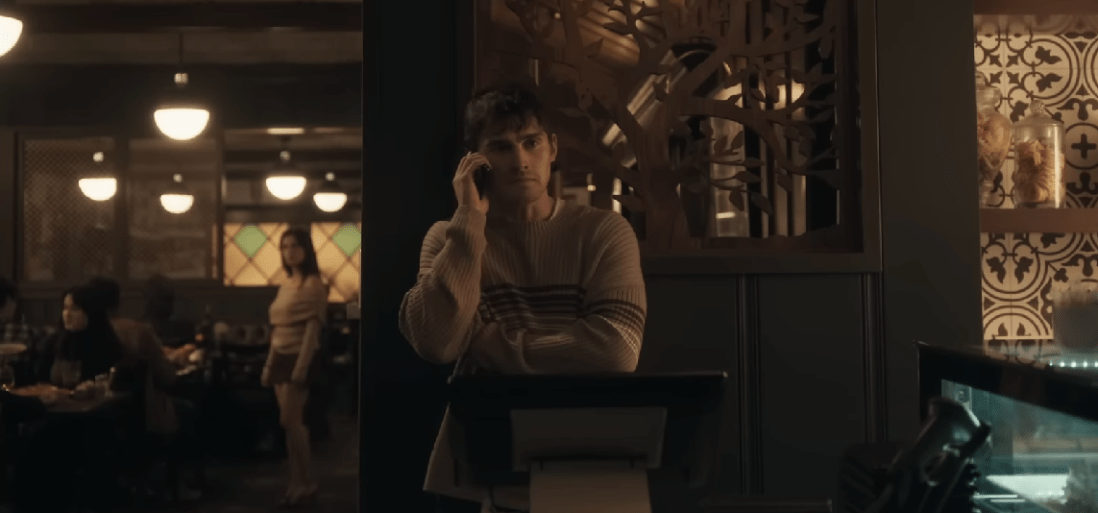
Directed by Curry Barker, Obsession tells the story of Bear (Michael Johnston), an awkward and lonely man who has feelings for one of his best friends Nikki Freeman (Inde Navarrette).
Too scared to confess his love for her, Bear instead makes a wish using a “One Wish Willow.”
His wish?
For Nikki to love him more than anyone else in the world.
To his surprise, the wish works.
Unfortunately, the violating nature of said wish corrupts Nikki to the point that her “love” for Bear ends with a trail of bodies.
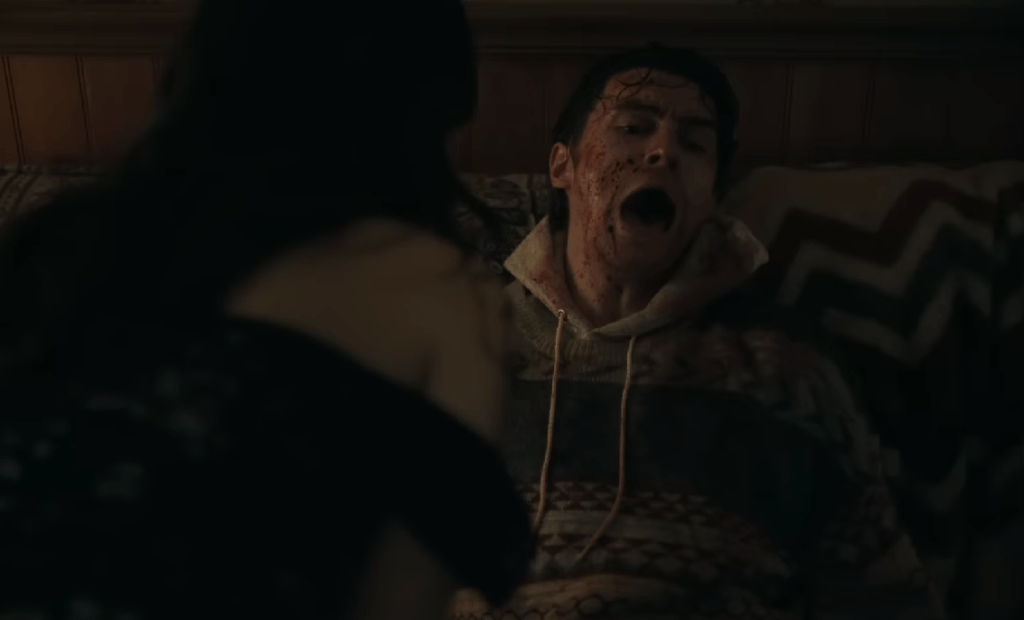
This bloody end is Bear’s fault rather than Nikki’s though.

It would have been easy to make Bear a sympathetic protagonist, what with him being too timid to confess to the girl he has a crush on.
Even the making of the wish itself could be forgiven, considering he did not expect it to actually work.
However, as the film goes on, it becomes perfectly clear the titular obsession is not Nikki’s for Bear but Bear’s for Nikki.
Whether it be ignoring countless red flags, brushing off the concerns of his friends, or just outright refusing the real Nikki’s wishes, Bear reveals himself to be a selfish and cowardly character by Obsession’s end.
He would rather have the imaginary Nikki he has idealized in his mind than the real breathing woman with her own separate life from him which, again, is why he reminded me so much of the writer for that problematic story I mentioned at the beginning of this review. 
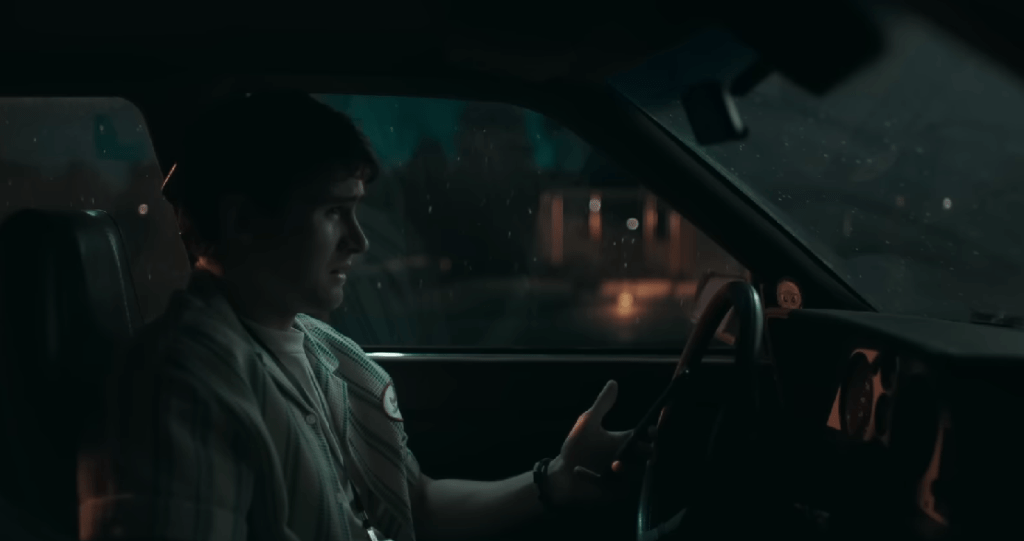
If Nikki had been less crazy after the wish, Bear would have been 100% okay with continuing the “relationship.”

In contrast to Bear’s villainy, Nikki is the real victim of the movie, with the temporary moments when her real self breaks free from the wish being particularly heartbreaking.
That is not to say she isn’t completely terrifying when “Freaky Nikki” is in control because she absolutely is.
Inde Navarrette gives an incredible performance as Nikki in both her terrifying and sympathetic moments. 
The way she moves and is depicted with the lighting and editing is also masterful.
Director Curry Barker and cinematographer Taylor Clemons deserve all the praise in the world for how they shot this movie.
Bear’s terrified reactions to Nikki’s movements and actions reflect our own as the audience (still does not redeem him even slightly though).
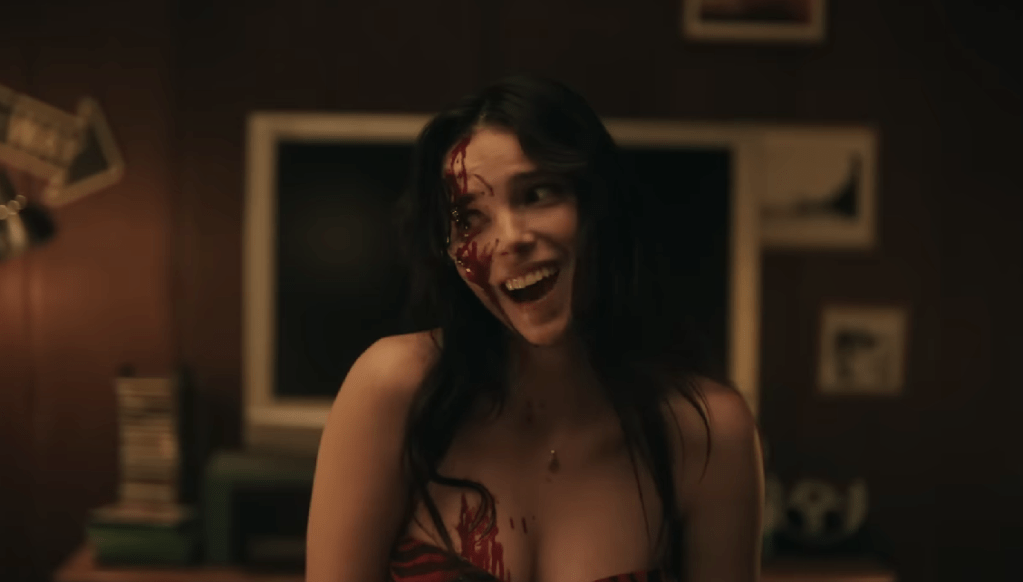
I have heard a lot of Oscar buzz among audience members for Inde Navarrette’s performance. It might seem unlikely but, given that Amy Madigan (rightfully) won for her performance in Weapons, anything is possible.

Speaking of Bear and Nikki, their actors’ chemistry is practically nonexistent, which is perfect for the film.
It creates so many awkward moments, which blends well with the film’s humor and horror.
I burst out laughing and jumped in my seat many times when watching this, often within minutes of each other.
All of this built up to the adrenaline dump of an ending where all we can do in the moment is linger in the aftermath of all this chaos and wonder what happens next.
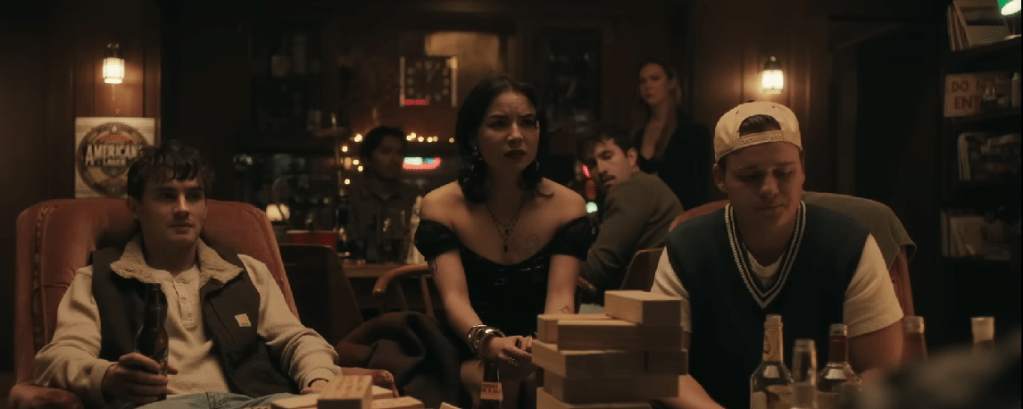
The characters’ disturbed reactions in this scene mimics the audience’s by the film’s end.

Overall, Obsession is a masterful horror film.
Its performances are incredible, it is both funny and scary, and it delivers on themes of projection, codependency and, well… obsession obviously.
I am definitely seated for Curry Barker’s next film after this one.  
Tales of Zestiria Review: This One’s a Mess.

2 and a half stars
I played my first Tales game,
Tales of Vesperia, almost a year ago, when my country went into lockdown because of the pandemic.
Although I struggled with the combat and found the game pretty outdated in certain areas, I still enjoyed many of its aspects, especially its main cast of characters, which probably puts Vesperia in my top ten video game casts.
So, upon stumbling across Tales of Zestiria in a store I, naturally, had to buy it.
Going in, I knew that Zestiria was considered to be one of the weakest games in the series but, wow, is this game a bit of a mess.
Honestly, when I started planning this review it was initially going to be a positive one but, just like my The Rise of Skywalker review, I came up with so many negatives that I couldn’t justify giving this a positive review.
That’s not to say there aren’t good things about Zestiria because there certainly are but the bad and mediocre do outweigh that good here.
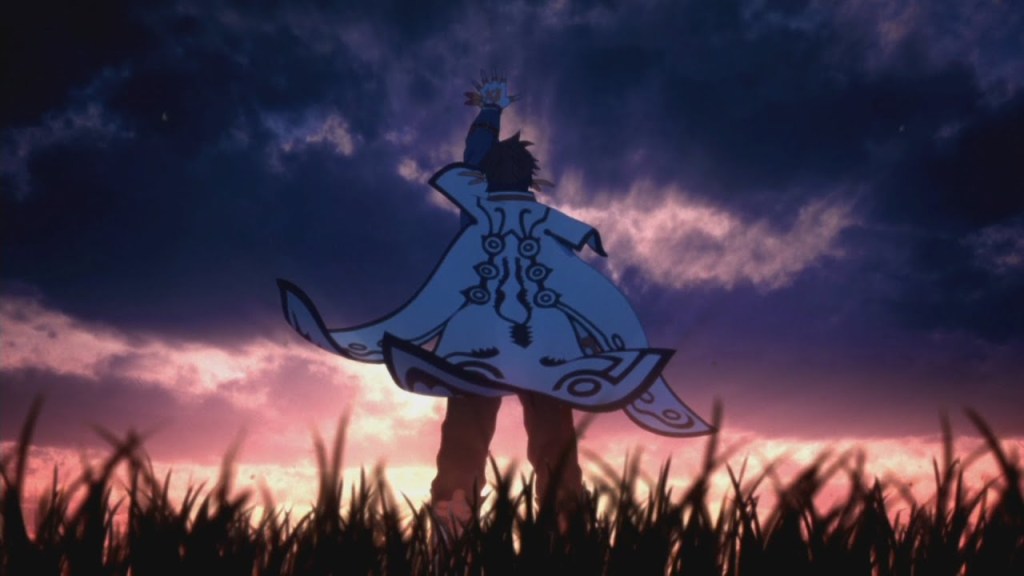
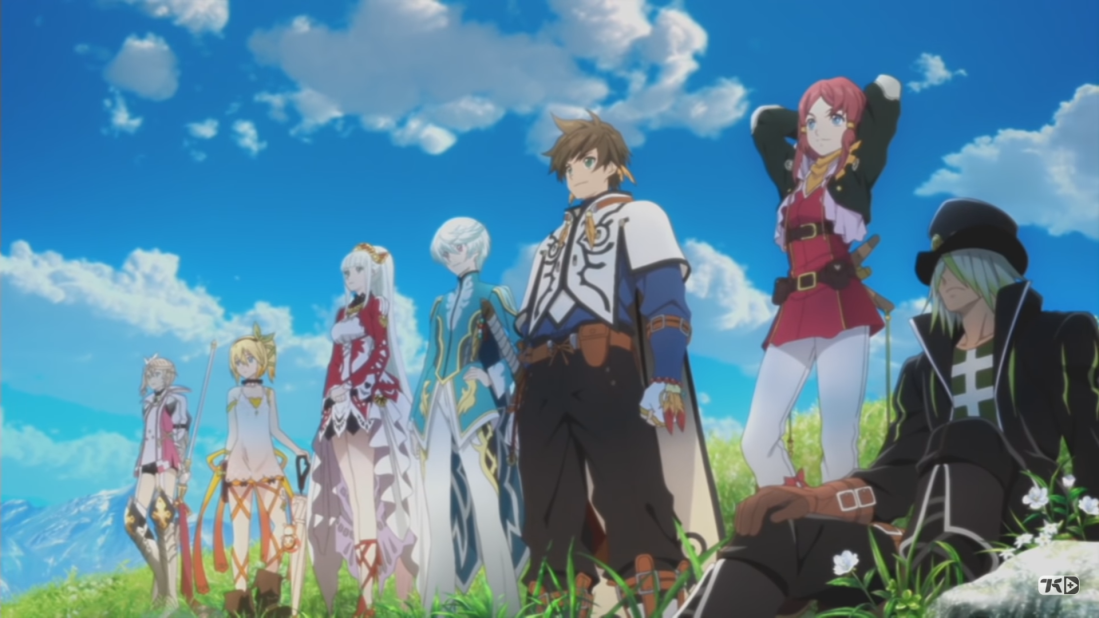
Developed by Bandai Namco, and directed by Yuuta Hase and Mari Miyata, Tales of Zestiria is set in the mythical land of Glenwood, where mystical beings known as Seraphim but cannot be seen by human, except for a mere few who have the resonance to do so.
However, a dark force produced by humans, known as Manevolence, threatens both them and the Seraphim, turning them into monsters known as Hellions.
This is where the Shepherd comes in, the mythica hero capable of seeing Seraphim and purifying the Hellions.
Our hero is Sorey (Robbie Daymond, English Dub), the next Shepherd who, along with his close friend and Seraphim Mikleo (Michael Johnston), sets out to purify the world of Manevolence and stop the evil Lord of Calamity who controls the Hellions.

Following this opening prologue, the game delivers an epic opening, “White Light” by Superfly.

The first thing I will say about Zestiria’s story is that it is incredibly generic, with not much of a driving force.
It’s a typical good guys vs bad guys story, which isn’t necessarily a bad thing, but for so long it feels like the characters are just wandering around with no clear direction.
Granted, Vesperia had a pretty generic story as well but what it did have in its favor was a clear direction, helped by a fantastic set of characters.
In comparison, Zestiria’s characters are pretty boring and have little to no character development.
Sorey is a hero who is always saved from making the hard choices, Mikleo probably has the most striking lack of character development considering what he learns about his past, Alisha (Alexis Tipton) was completely wasted, Lailah (Carrie Keranen) is pretty annoying and hides crucial information for dramatic effect, and I found Dezel’s (Chris Nioso) story to be pretty problematic with his abrupt “redemption.”
I at least liked Rose (Caitlin Glass) and Zaveid (Ian Sinclair) but, again, they have little to no character development.
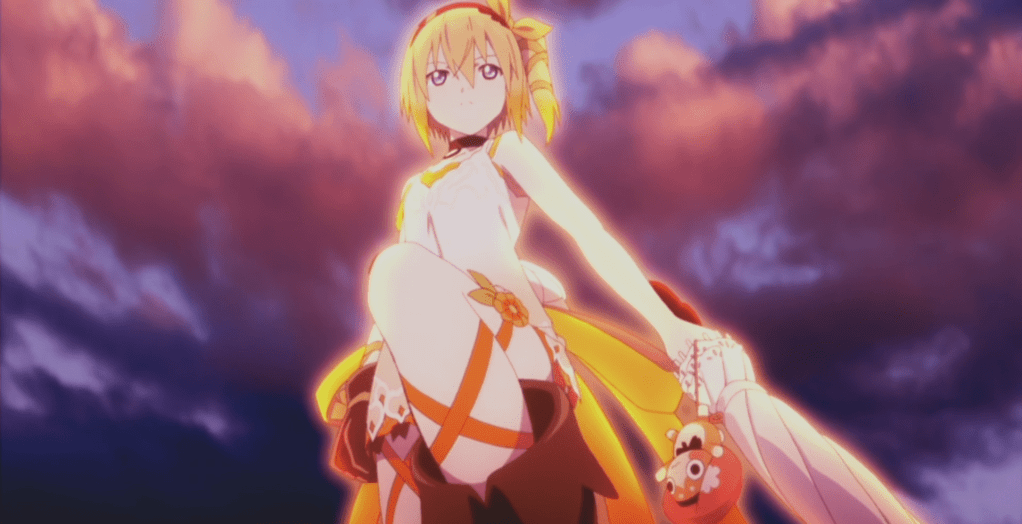
The one member of the main party who I found to be a great character was Edna (Kira Buckland) who, even though she didn’t have a lot of development, is just hilarious and her presence alone makes the boring characters interesting for at least a couple of scenes.

Edna instantly won me over with her introduction and she is the game’s most insteresting and funny character.

Then there’s the main villain, The Lord of Calamity, Heldaf (Patrick Seitz), who is also incredibly boring but at least has the benefit of a backstory, which made him slightly more interesting than boring.
Speaking of that backstory, though, having to collect all of the Earthen Historia to find out his past and actually progress the game was such a chore.
With that, I now have to get into the gameplay, which, oh, boy, is also a big mess.
I said in my review of Vesperia that I struggled with its mechanics because I was new to the series and Zestiria really did not help this with how needlessly complicated its leveling up and attack system is.
It often left me scratching my head about what exactly I was supposed to do and, even after completing the game, I’m not entirely sure.
Still, I did like the Armitization parts of the gameplay, although I can see some people’s complaints about how they limit your choices in combat, with the player being forced to keep Sorey and Rose in combat.

While the Armitization system does limit gameplay optinions, it is, at the very least, enjoyable.

I also found the final boss to be pretty rewarding in terms of difficulty, so there was that.
I’m just glad we got to fight it an open area and not an inclosed one, since I never would have beaten the final boss if that happened because the camera is really bad in Zestiria.
Seriously, whenever I entered a dungeon and I had to fight an enemy in a tight corridor, the camera would constantly get stuck and I would have no idea what was happening, more often than not resulting in the party’s inevitable death.
So, overall, Tales of Zestiria is quite a mess.
There’s certainly good things, like some of the character interactions, mostly due to Edna, and I found some bits of combat, like Armitization and the final boss, to be rewarding.
However, the story is extremely generic and has no drive for a while, the characters are mostly boring and have no development, and the gameplay is needlessly complicated with a horrible camera in tight spaces.
At least this game resulted in Tales of Berseria, which I just finished and cannot wait to review because I loved it.
As for Zestiria, though, in my opinion, there’s no better word to describe it than a “mess.”