
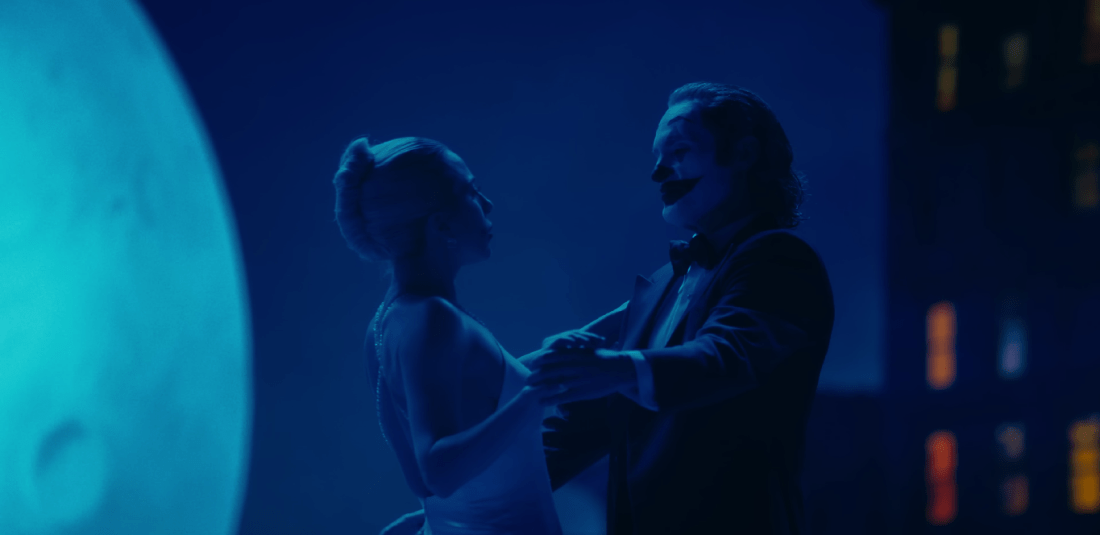
Joker was one of my favorite films of 2019.
It had an excellent lead performance from Joaquin Phoenix, fantastic cinematography from Lawrence Sher, and a haunting score by Hildur Guðnadóttir.
However, after watching it, I believed it did not need a sequel.
The story seemed perfectly wrapped up, yet open ended, so I figured there was no reason to make one.
Well, the studio definitely had a reason to when the film grossed over a billion dollars.
Fans of the first movie’s concern only grew when news that the sequel would be a musical started floating around.
When I heard this, though, it actually made me feel a little optimistic.
It showed me that those making the film were taking a risk rather than playing it safe.
The trailers also made the movie look great.
But, as we all know, trailers can be deceiving and, when Joker: Folie à Deux finally released, it received a less than positive reaction to say the least.
This did make me more curious about what I would think of the film, though.
Would I agree with the masses and dislike it, or would I be in the minority and find it to be misunderstood?
Unfortunately, I am with the masses on this one.

Directed again by Todd Phillips, Folie à Deux takes place two years after the first movie.
Arthur Fleck is in Arkham Asylum, waiting for his trial where, if found guilty, he could receive the death penalty.
It is in Arkham that he meets Harley Quinn, or Lee as she is called in the movie, played by Lady Gaga.
The two form a connection, as the film details Arthur’s life in Arkham and his trial, interspacing this storyline with various poorly timed musical numbers.
But I will get to that issue later.
First, I want to talk about the positives of this movie.
For starters, the performances are all great, with Phoenix once again delivering an excellent performance.
Lady Gaga is pretty much just there to sing and she has a great voice, so she obviously does a great job with that.
Brendan Gleeson is also pretty good as an abusive guard at Arkham.
The standout performance for me though was unexpectedly Leigh Gill as Gary Puddles, Arthur’s former coworker who played a minor role in the first film.
He returns to testify at Arthur’s trial and Gill’s performance is mesmerizing, as he details the trauma Arthur’s actions have unleashed upon him.

Sher’s cinematography is also once again spectacular, as is Guðnadóttir’s score, with what little we hear of it due to the musical numbers.
And it is here I have to get into the many negatives of the film.
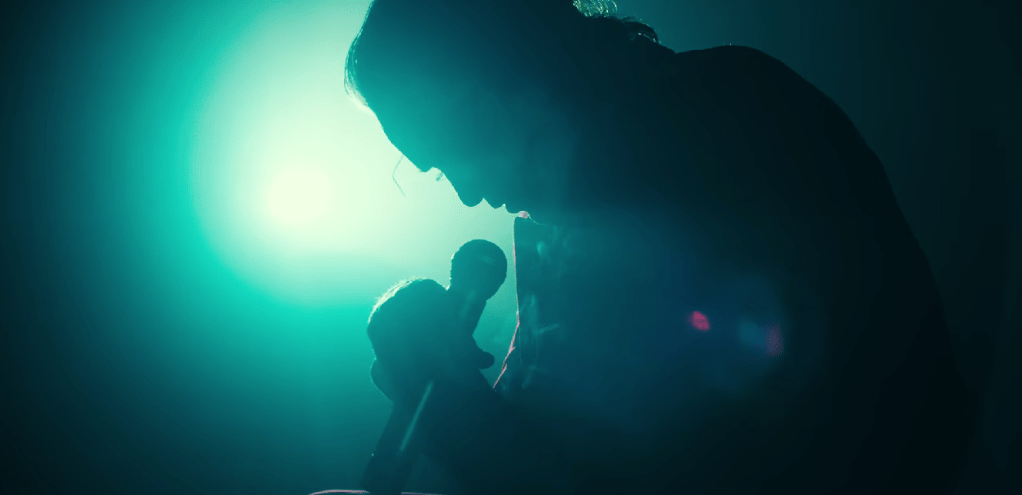
Sadly, these musical numbers almost always feel pointless and poorly placed.
There is one during the trial where I thought the music and Phoenix’s performance showed what was going on in Arthur’s head really well but, otherwise, if you remove them all, nothing changes about the movie.
They usually felt like a waste of time, and it got to the point that I actually chuckled when one character asked another to “stop singing” near the end of the film.
Along with the issue of the musical numbers, there is the general unfocus of the movie’s story.
Arthur and Lee’s relationship feels entirely underdeveloped.
Lee serves as a representation of women who bizarrely fall in love with real life murderers but, other than that, there is zero characterization for her.
As a result, Lady Gaga feels pretty underused.

The court room scenes pretty much just recount events which we all saw in the first movie, so they hold no interest.
That leaves the Arkham scenes, which are just so bleakly depressing, even for a Joker film.
Speaking of, I do not even know if we can call this a “Joker film,” given how little the character is present.
The first film centered around Arthur’s disturbing metamorphosis into the Clown Prince of Crime, yet the sequel strangely decides to focus on the destruction of that persona, making that original movie feel pointless in hindsight, especially with the ending they chose.
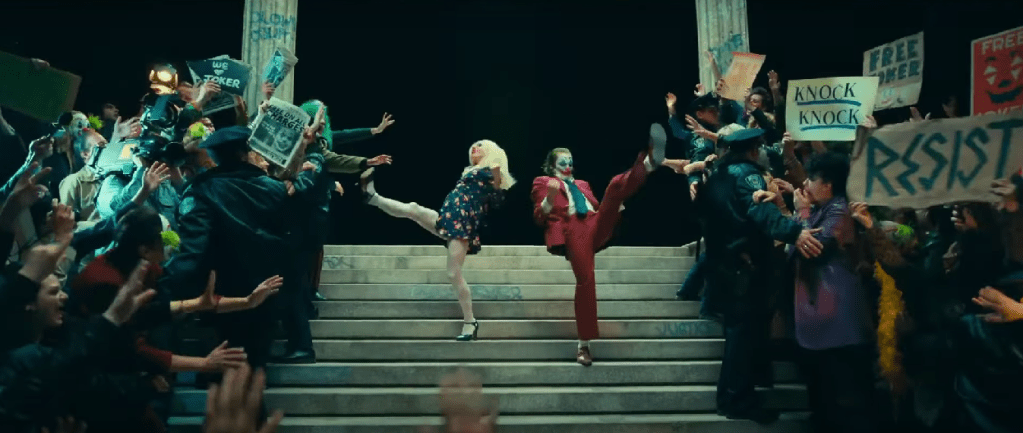
Along with this, Folie à Deux also removes a lot of the intrigue from the first film.
In Joker, there were many scenes which were left up to the audience’s interpretation over whether they were real or not.
Folie à Deux, however, unnecessarily tells the audience what was real in that movie, destroying a lot of its ambiguity.
It would be like if Christopher Nolan decided to make a sequel to Inception and revealed if the spinning top really fell at the end or not.
It would remove the impact of that film’s ending, just like Folie à Deux takes away a lot of the intrigue from Joker‘s ambiguity.

Joker: Folie à Deux is a poorly thought-out sequel.
It may have great performances, cinematography and score, but that means little when the story is so disorganized, has poorly placed musical numbers and, worst of all, arguably weakens the prior amazing film just by existing.
If you are a fan of the first film, like I am, this is definitely a folly you should skip.


 THE REVIEW MONSTER