

The Last of Us is my favourite video game of all time.
However, in recent years my opinion of its continuation has been rather rocky.
First there was The Last of Us Part 2 which, while I loved the gameplay, I thought the story was so poor that it made me lose interest in playing it again all togethor.
Then there was The Last of Us “Remake”, which seemed like an overpriced remaster to me than anything else.
Because of these issue I was having, I was a bit skeptical of how The Last of Us’ HBO adaptation would turn out.
Granted, there were plenty of signs that it would turn out great.
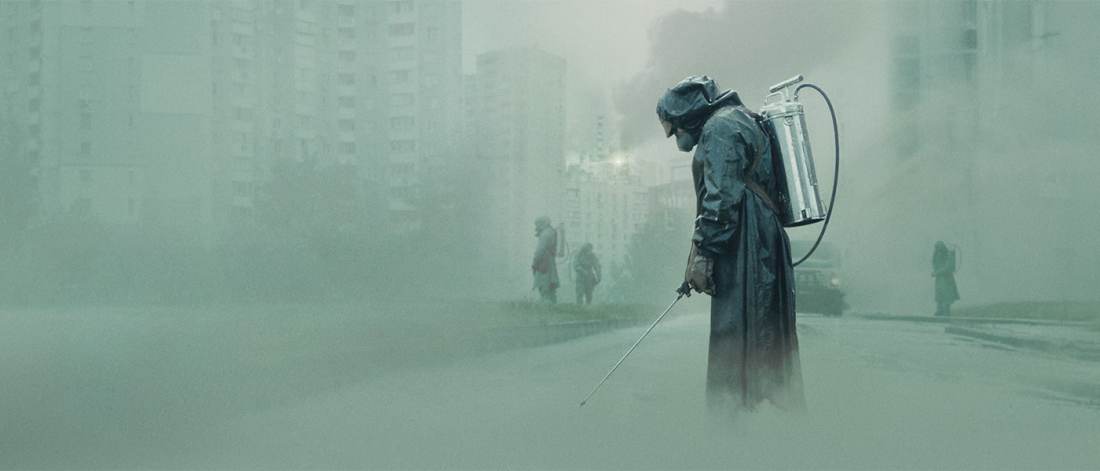
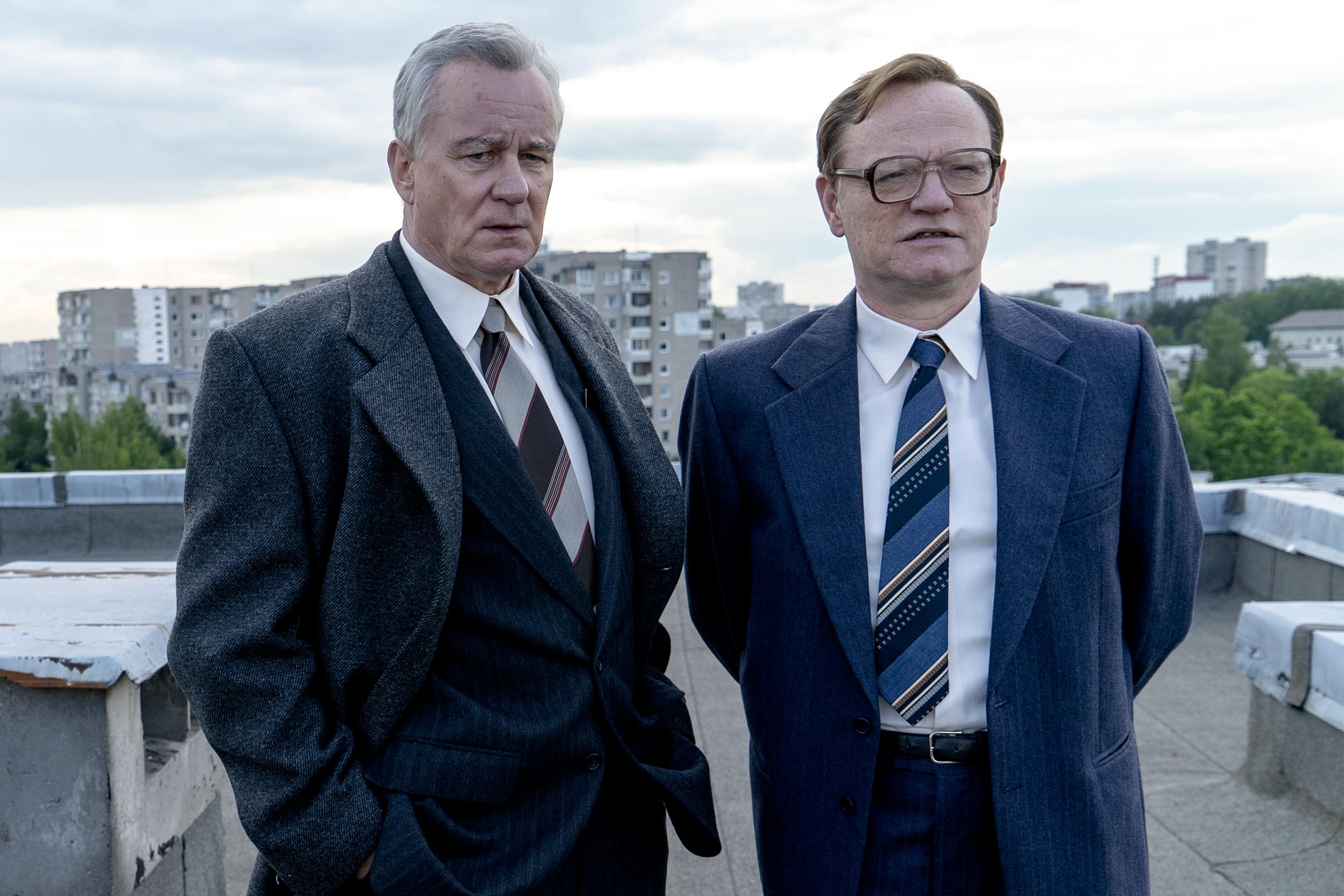
Not only was the creator of Chernobyl, Craig Mazin, behind the project but The Last of Us is also a video game that lends itself really well to be adapted into a cinematic format.
After watching the entire first season, I can say that I should have had more faith because the show is a fantastic adaptation of the video game, with plenty of excellent changes.

Created by both Mazin and Neil Druckmann, the director of both Part One and Two, the story is almost the same as the original game.
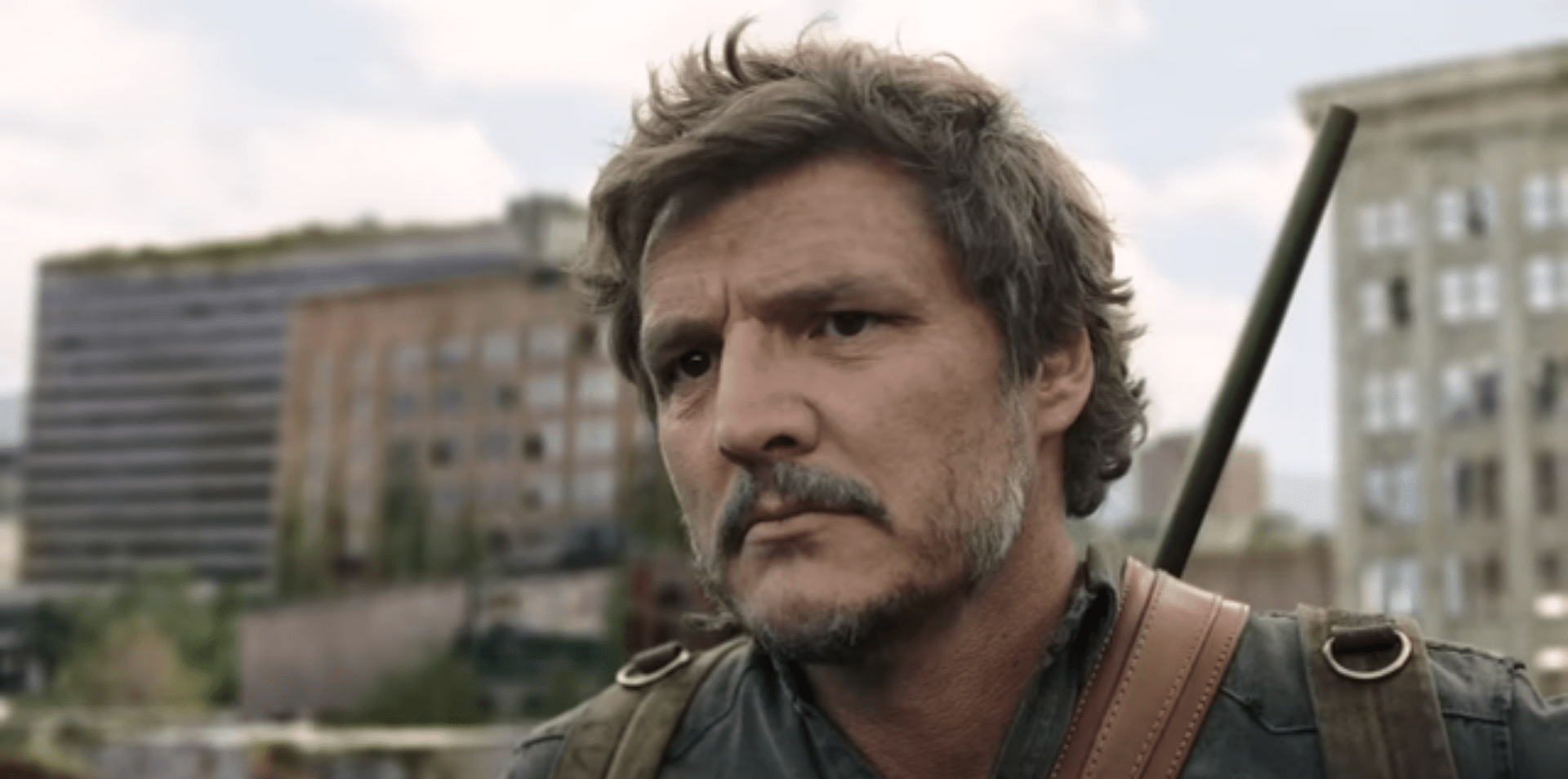
Twenty years after the Cordyceps fungal infection jumped to humans and brought about the apocalypse, ruthless survivor Joel Miller (Pedro Pascal) is working as a smuggler, alongside his partner Tess (Anna Torv).
Wanting to get a car to search for his missing brother Tommy (Gabriel Luna), Joel accepts a deal with Marlene (Merle Dandridge), the leader of a revolutionary group known as the Fireflies.
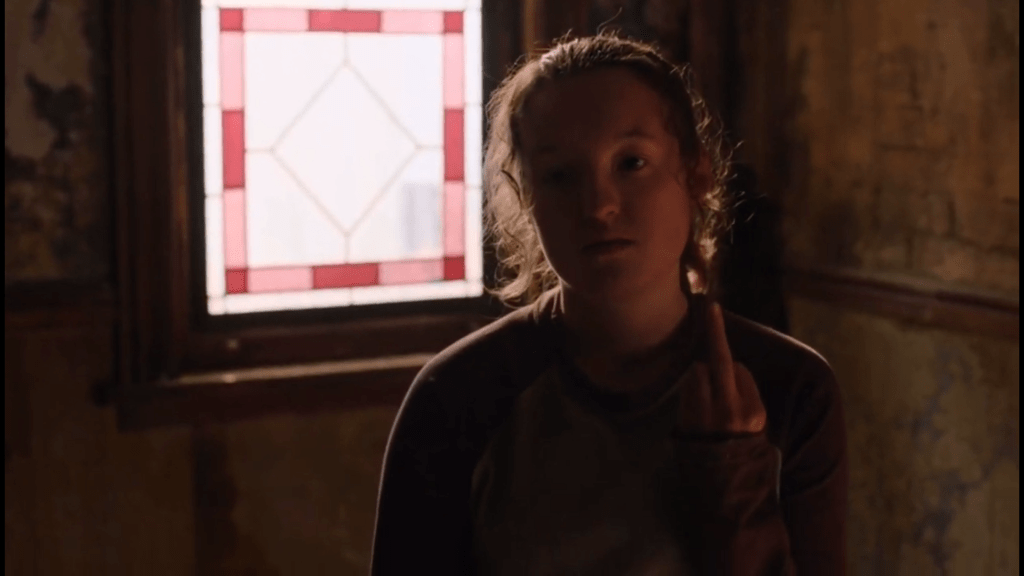
The deal is to escort a spunky, foul-mouted teenager named Ellie (Bella Ramsey) through the infected landscape to safety.

However, when this plan goes awry, and Ellie’s immunity to the Cordyceps Infection is revealed, Joel has to escort her across the country.
As they journey, the two fight off infected, likewise ruthless survivors, and slowly begin to grow closer as a father and daughter.
This father and daughter bond is the heart of The Last of Us so the creators of the show had to get it absolutely right when casting Joel and Ellie.
Thankfully, they did an excellent job with the casting, as Pedro Pascal and Bella Ramsey bring new depth to the characters.
I will say that I was a bit unsure of Ramsey when starting the show.
I knew from seeing her in Game of Thrones that she could act but the prior performances of hers I had seen never screamed Ellie to me.
Then I saw her first scene in the show and I felt like a fool because she absolutely nails her portrayal of the character.
These great portrayals of the characters are very faithful to the original game, for the most part.
Oddly enough though, this show is at its best not when it is following the source material but when it is doing something different.
In fact, I would say that the best episodes of the show are the ones where this is the case.
Episode Five, “Endure and Survive”, gives the characters of Henry (Lamar Johnson) and Sam (Keivonn Montreal) a completely new and interesting backstory, while also concluding on a much more explosive fight.
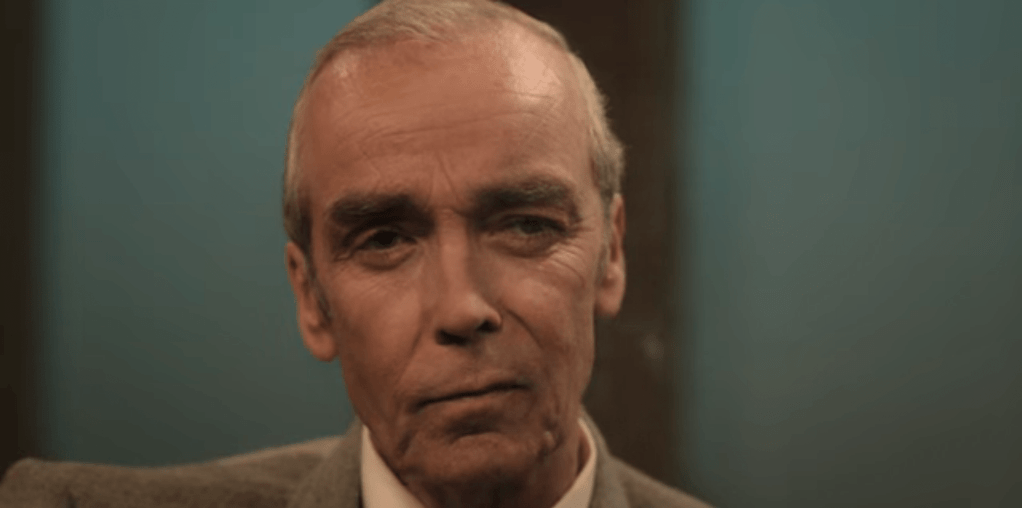
Episode Nine, “When We Are in Need”, expands on David’s (Scott Shepherd) character through showing how he runs his group as a manipulative cult leader, while hinting at his sickening past, making him a much more disturbing character than in the game.
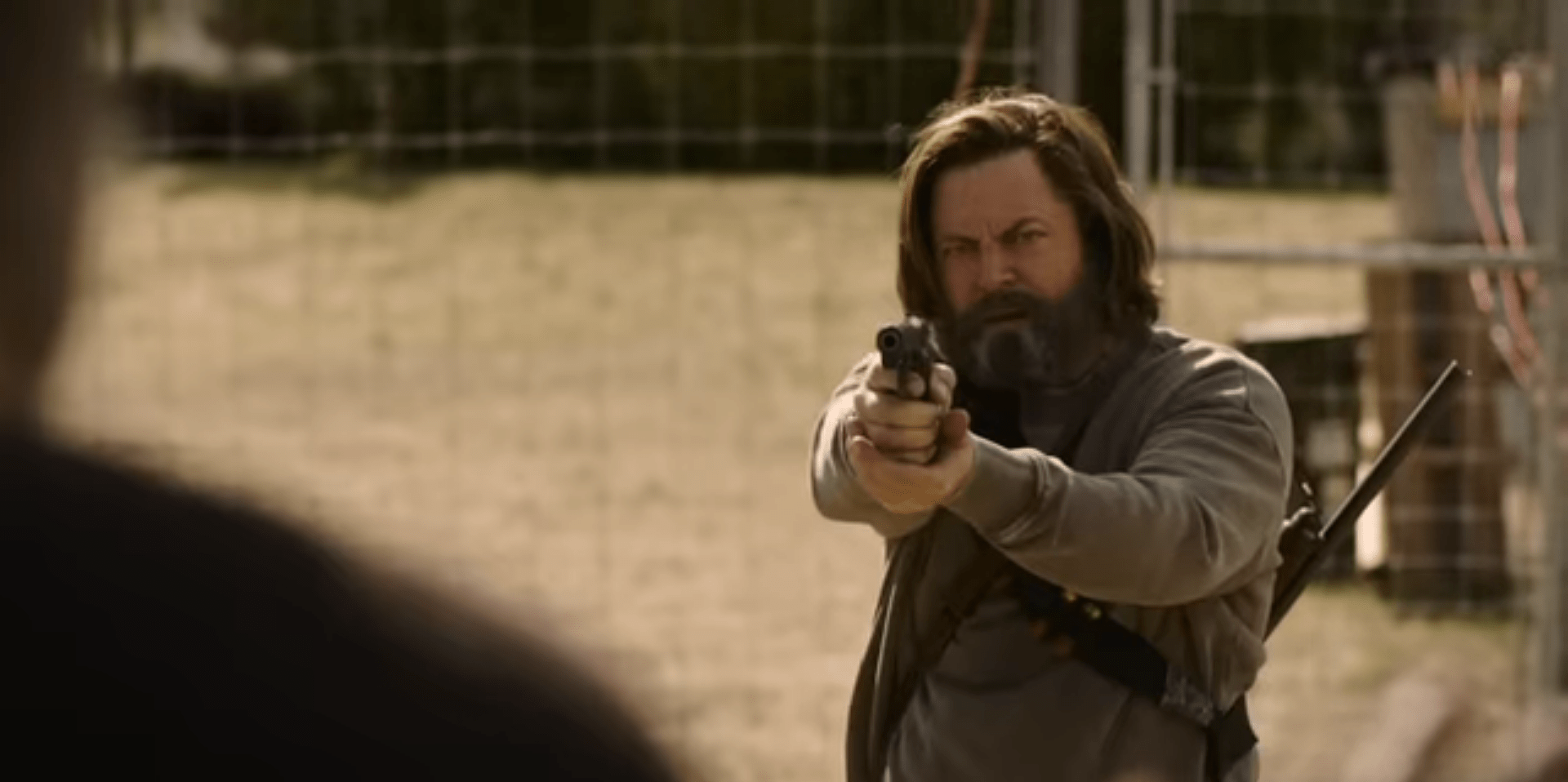
Best of all though is Episode Three, “Long, Long Time,” which gives Bill (Nick Offerman) and Frank (Murray Bartlett) a completely different, much more emotionally engaging story, which actually rivals Joel and Ellie’s story across the season.
Honestly, it was when the show actually recreated the game beat-for-beat that we got less interesting episodes.
Take Episode Seven, for example, “Left Behind”, where everything is pretty much the same as the game, except for a downgraded final attack, resulting in an episode that I felt like I had seen before because, well, I had, and was thus less interested.
This is not the only issue with the season because the final episode, “Look for the Light”, goes by so fast that it feels a little short.
Not only this but there is a bit of cognitive dissonance with the ending, in my experience.
One thing that I appreciated about the show was how realistic it was.
Joel kills hundreds of people across the game but that is just not realistic to the real world, so they scaled it down for the show.
But Joel’s final decision requires him to become that killing machine so, when it happens in the last episode, it does feel slightly at odds to what came before.
Speaking of being at odds with what came before, it is really weird to watch those terrifying cold opens in the first few episodes, which expand on the nature of the Cordyceps Infection, only for that infection to barely feature in the latter half of the season.
These problems are relatively minor to the show’s successes, however.
They adapted events from the game well and made some incredible changes to the original story.
You want to know how much I liked the changes?
I liked them so much that I am actually now open to seeing how they will adapt Part Two.
Who knows, they might actually make some changes that make me like the story.
As for the adaptation of the first game, though, it is mostly fantastic, being good enough to rank high up with other good video game adaptations, like Arcane and Cyberpunk: Edgerunners.
It will be interesting to see what is in for The Last of Us franchise going forward.

 THE REVIEW MONSTER