The Last of Us HBO Review: When Change is Best.

The Last of Us is my favourite video game of all time.
However, in recent years my opinion of its continuation has been rather rocky.
First there was The Last of Us Part 2 which, while I loved the gameplay, I thought the story was so poor that it made me lose interest in playing it again all togethor.
Then there was The Last of Us “Remake”, which seemed like an overpriced remaster to me than anything else.
Because of these issue I was having, I was a bit skeptical of how The Last of Us’ HBO adaptation would turn out.
Granted, there were plenty of signs that it would turn out great.
Not only was the creator of Chernobyl, Craig Mazin, behind the project but The Last of Us is also a video game that lends itself really well to be adapted into a cinematic format.
After watching the entire first season, I can say that I should have had more faith because the show is a fantastic adaptation of the video game, with plenty of excellent changes.

The best part of The Last of Us adaptation is undoubtedly how it diverges from the original game in interesting ways.

Created by both Mazin and Neil Druckmann, the director of both Part One and Two, the story is almost the same as the original game.
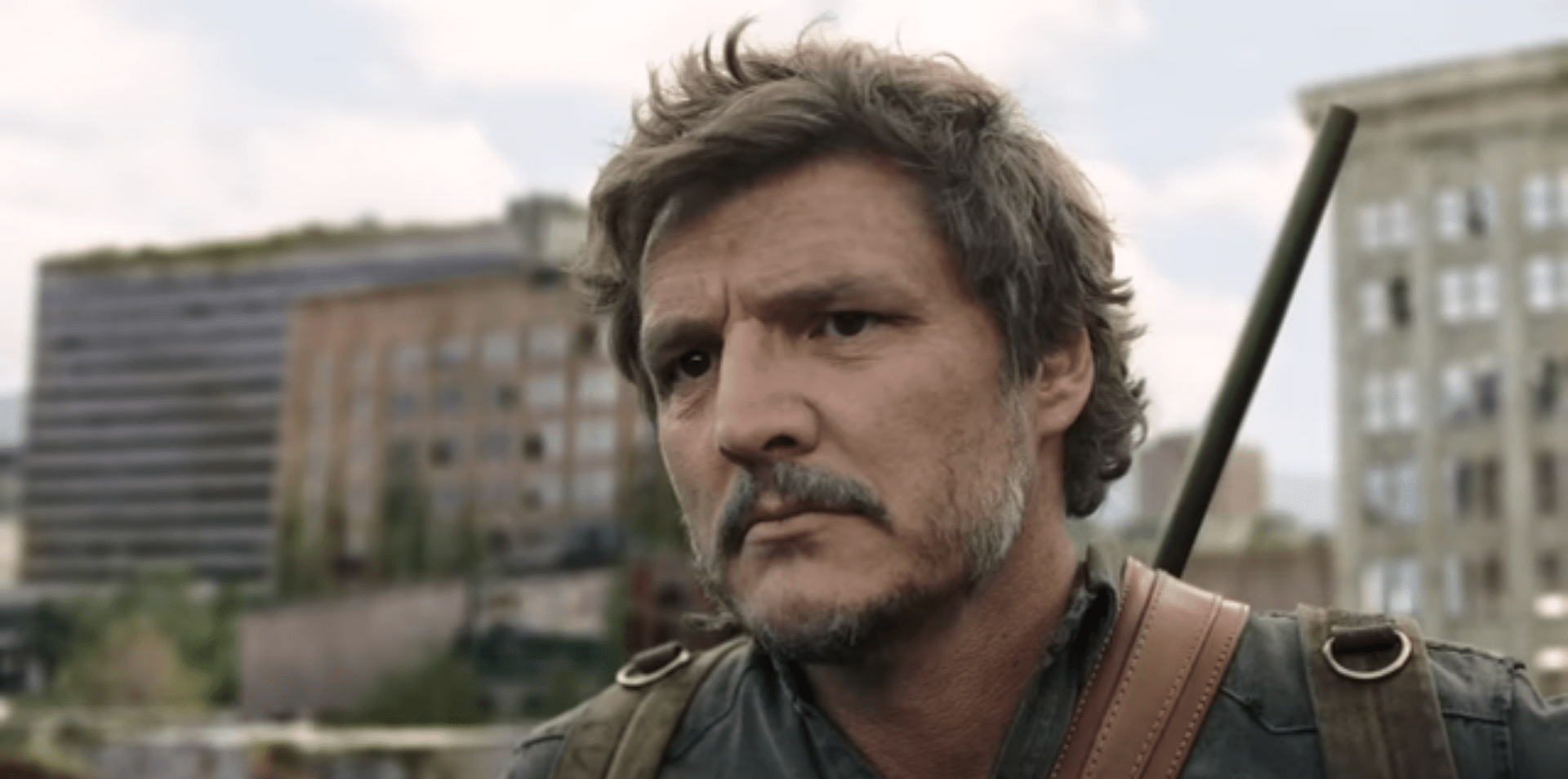
Twenty years after the Cordyceps fungal infection jumped to humans and brought about the apocalypse, ruthless survivor Joel Miller (Pedro Pascal) is working as a smuggler, alongside his partner Tess (Anna Torv).
Wanting to get a car to search for his missing brother Tommy (Gabriel Luna), Joel accepts a deal with Marlene (Merle Dandridge), the leader of a revolutionary group known as the Fireflies.
The deal is to escort a spunky, foul-mouted teenager named Ellie (Bella Ramsey) through the infected landscape to safety. 

So begins the characters’ journey across a desolate America.

However, when this plan goes awry, and Ellie’s immunity to the Cordyceps Infection is revealed, Joel has to escort her across the country.
As they journey, the two fight off infected, likewise ruthless survivors, and slowly begin to grow closer as a father and daughter.
This father and daughter bond is the heart of The Last of Us so the creators of the show had to get it absolutely right when casting Joel and Ellie.
Thankfully, they did an excellent job with the casting, as Pedro Pascal and Bella Ramsey bring new depth to the characters.
I will say that I was a bit unsure of Ramsey when starting the show.
I knew from seeing her in Game of Thrones that she could act but the prior performances of hers I had seen never screamed Ellie to me.
Then I saw her first scene in the show and I felt like a fool because she absolutely nails her portrayal of the character. 
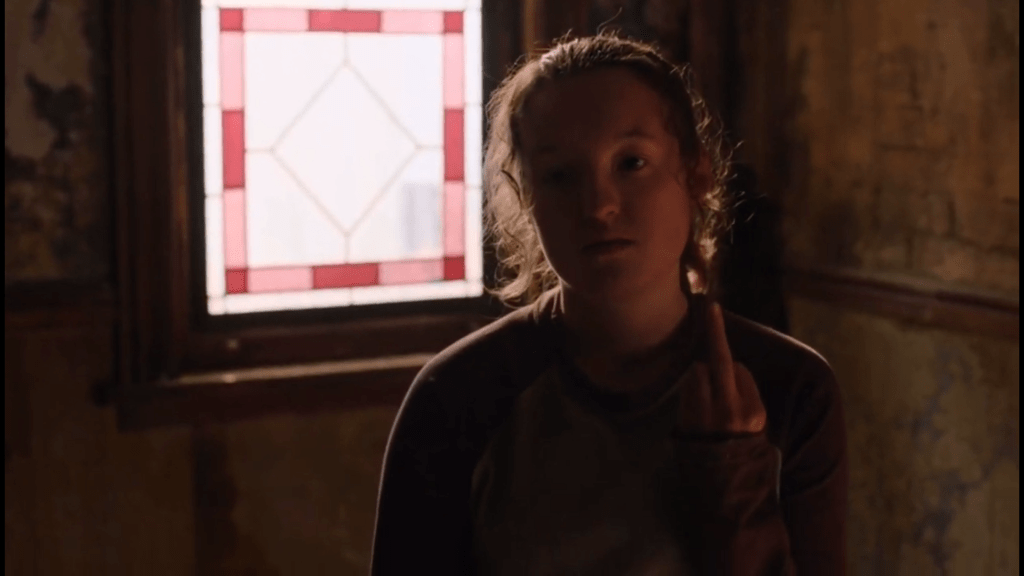
Ramsey’s first scene was enough to convince me that she was the perfect choice to play Ellie.

These great portrayals of the characters are very faithful to the original game, for the most part.
Oddly enough though, this show is at its best not when it is following the source material but when it is doing something different.
In fact, I would say that the best episodes of the show are the ones where this is the case.
Episode Five, “Endure and Survive”, gives the characters of Henry (Lamar Johnson) and Sam (Keivonn Montreal) a completely new and interesting backstory, while also concluding on a much more explosive fight.
Episode Nine, “When We Are in Need”, expands on David’s (Scott Shepherd) character through showing how he runs his group as a manipulative cult leader, while hinting at his sickening past, making him a much more disturbing character than in the game.
Best of all though is Episode Three, “Long, Long Time,” which gives Bill (Nick Offerman) and Frank (Murray Bartlett) a completely different, much more emotionally engaging story, which actually rivals Joel and Ellie’s story across the season. 
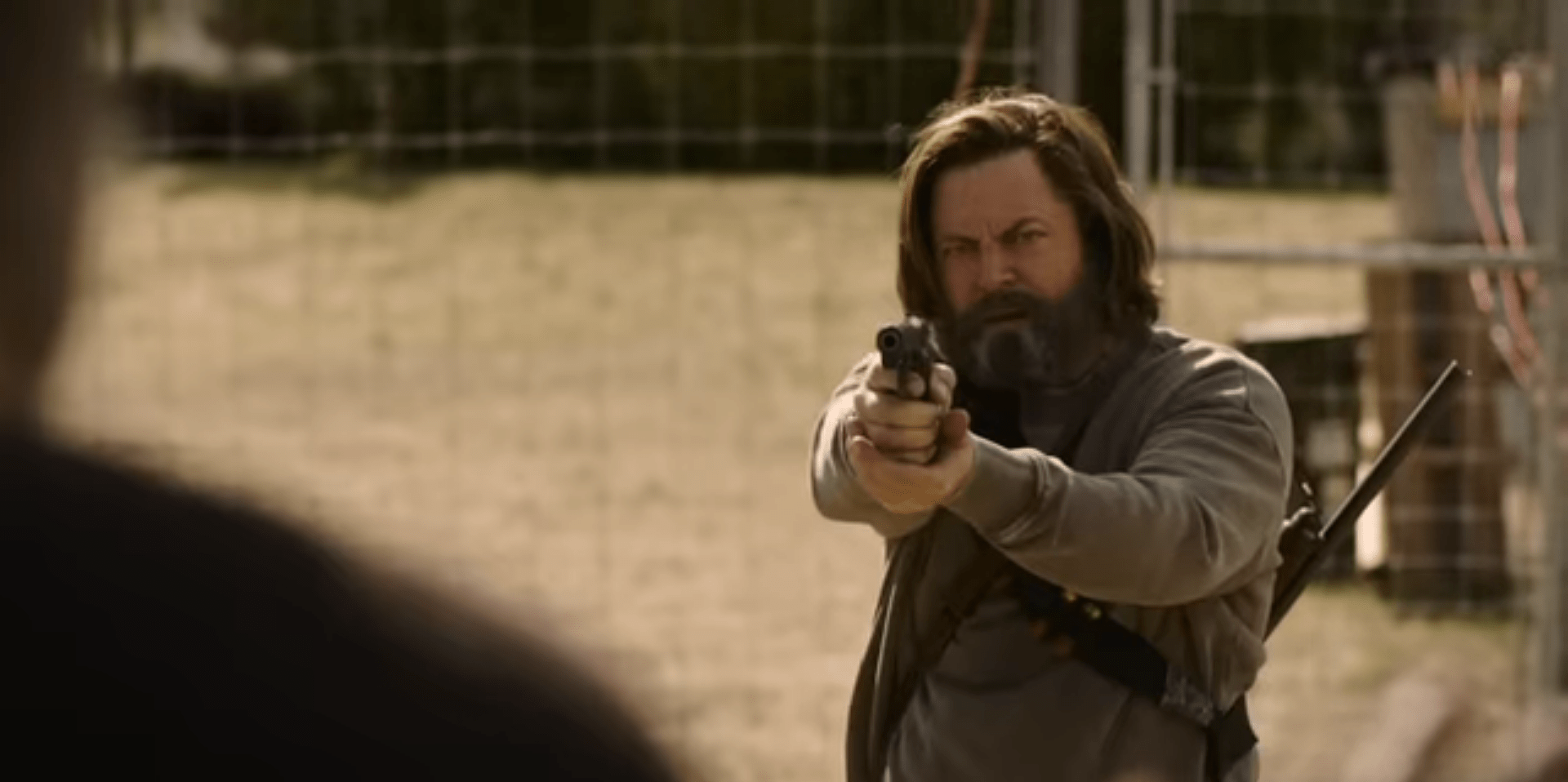
I did not expect Bill and Frank’s story to be this good before watching it.

Honestly, it was when the show actually recreated the game beat-for-beat that we got less interesting episodes.
Take Episode Seven, for example, “Left Behind”, where everything is pretty much the same as the game, except for a downgraded final attack, resulting in an episode that I felt like I had seen before because, well, I had, and was thus less interested.
This is not the only issue with the season because the final episode, “Look for the Light”, goes by so fast that it feels a little short.
I feel like the finale would have had more impact if certain scenes had more time to breath.

Not only this but there is a bit of cognitive dissonance with the ending, in my experience.
One thing that I appreciated about the show was how realistic it was.
Joel kills hundreds of people across the game but that is just not realistic to the real world, so they scaled it down for the show.
But Joel’s final decision requires him to become that killing machine so, when it happens in the last episode, it does feel slightly at odds to what came before.
Speaking of being at odds with what came before, it is really weird to watch those terrifying cold opens in the first few episodes, which expand on the nature of the Cordyceps Infection, only for that infection to barely feature in the latter half of the season.
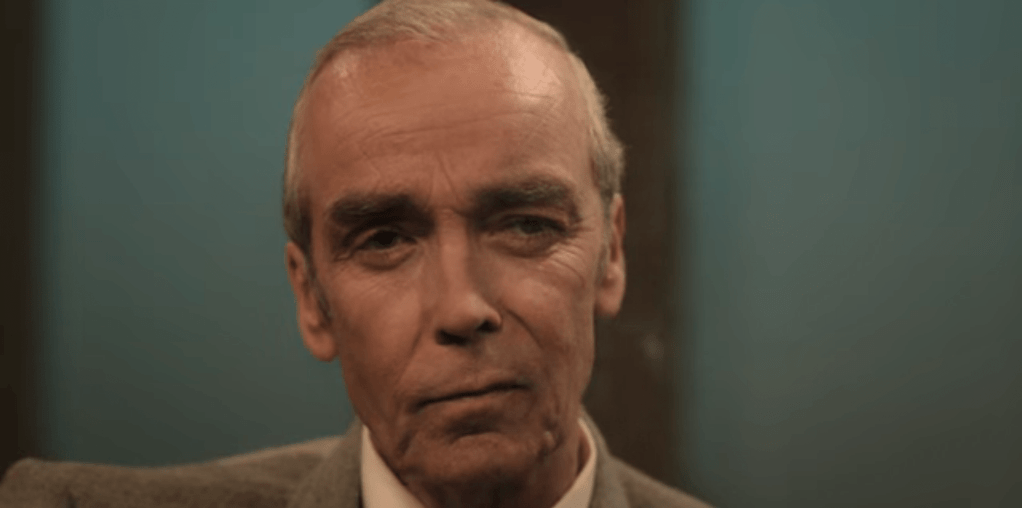
The cold open of Episode One was a fantastic and terrifying addition to the show but it feels weird given the lack of infected later on in the show.

These problems are relatively minor to the show’s successes, however.
They adapted events from the game well and made some incredible changes to the original story.
You want to know how much I liked the changes?
I liked them so much that I am actually now open to seeing how they will adapt Part Two.
Who knows, they might actually make some changes that make me like the story.
As for the adaptation of the first game, though, it is mostly fantastic, being good enough to rank high up with other good video game adaptations, like Arcane and Cyberpunk: Edgerunners.
It will be interesting to see what is in for The Last of Us franchise going forward.    

Mindhunter Season Two Review: The Terror Continues.

4 stars
I loved the first season of Mindhunter.
Created by Joe Penhall, and with many episodes directed by David Fincher, The Netflix series hooked me right off with its disturbingly realistic portrayal of actual serial killers.
I was eagerly anticipating the second season, and we finally got it now, two years later.
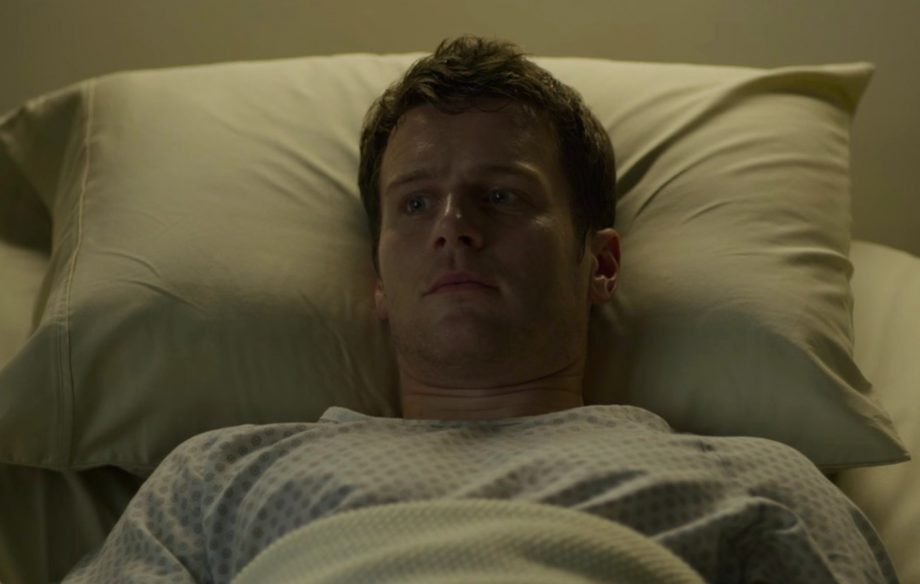
The second season picks up with Holden Ford (Jonathon Groff) recovering from his encounter with Ed Kemper (Cameron Britton) at the end of the first season.
After getting released from a mental hospital by Bill Tench (Holt McCallany), Holden meets back up with the team, consisting of Tench, Wendy Carr (Anna Torv) and Gregg Smith (Joe Tuttle), in their studies of serial killers.
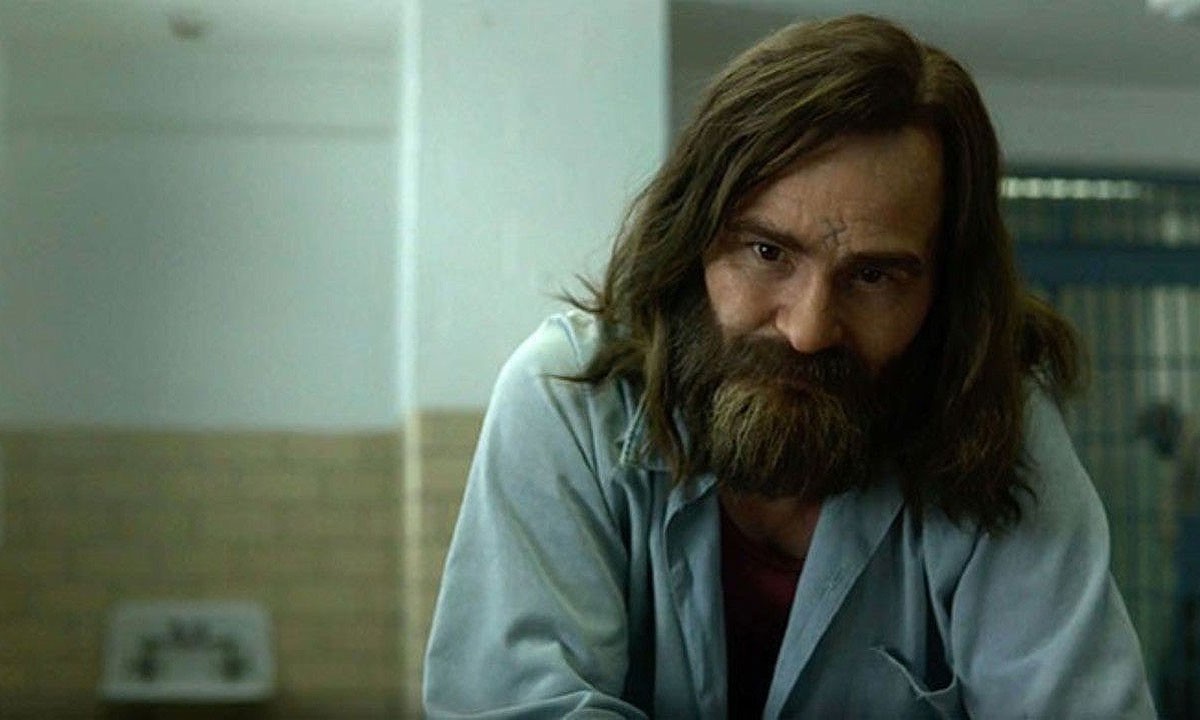
What follows is a season that sees the characters interviewing a wide ranger of terrifying murderers, like David Berkowitz (Oliver Cooper), and those who manipulate others to kill, like Charles Manson (Damon Herriman).

Manson
Many of the killers interviewed look just like they do in real life, with Manson and Berkowitz looking particularly true to life.

Most terrifying of all are the investigations into the BTK killer, Dennis Rader (Sonny Valicenti), and the Atlanta child murders, which eventually becomes the main focus of the season.
Just like the first season, what makes Mindhunter season two so scary is its horrifying realism.
Again, no murders are shown but the aftermath of these crimes, and the way they are explained by both the killers and surviving victims is horrifying.
This leads to one particularly disturbing scene when Tench is interviewing Kevin Bright (Andrew Yackel) a survivor of the BTK killer.
The way this scene is shot is so particular, the acting from Yackel so tragic, and the sound design so unnerving, that is makes the scene horrifying to watch, even though no violence is taking place.

survivour.jpg
The interview scene with BTK survivor David Bright is probably one of the most chilling scenes in Mindhunter season two.

It is particularly disheartening to hear Tench make assumptions about BTK, only for us to know he is completely wrong, meaning they are further away from stopping him.
Speaking of Tench, he has the best story this season, with a tragic family event that makes his interactions with the killers even more personal.
A scene where a confrontation takes place between Tench and Manson is particularly illuminating to Tench’s character.
It is not all great, though, because compared to last season Mindhunter season two does fall short.
There are quite a few plot lines that are dropped like Ford’s panic attacks, which are quickly forgotten about, and the cat Carr was feeding last season, which is oddly left out of entirely.

Fordy.jpg
The first episode acts like Holden’s panic attacks are going to be a major plot line only for them to be dropped pretty quickly.

As for Carr, herself, she does not have much of a role in the back-half of the season, and a romance storyline she has feels a bit too similar to Ford’s relationship from the previous season as well.
However, these problems do not diminish how great Mindhunter is.
It is still a creepy show, with great fictional characters and terrifying real killers.
I am already looking forward to season three.

Mindhunter: Realistically Terrifying.

4 and a half stars.png
Based on the book Mindhunter: Inside the FBI’s Elite Serial Crime Unit, the Netflix show Mindhunter presents a mostly fictionalized version of events in this book.
Created by Joe Penhall, The series follows special agents Holden Ford (Jonathon Groff) and Bill Tench (Holt McCallany) as they travel the country to interview captured serial killers and figure out what makes them tick.
Along the way, they are joined by psychology professor Wendy Carr (Anna Torv), and the three of them strive to help the FBI adapt to a terrifying kind of killer that has yet to be officially recognized.

the gang
The series follows Ford, Carr and Tench in their efforts to make the FBI more aware of serial killers. A term they actually coin in the show.

Mindhunter is very different from other crime TV series.
Most shows of this genre take an extremely fictionalized angle but not Mindhunter. 
Sure, a lot of the characters are not real people, but many of the serial killers interviewed are.
The series also takes a realistic approach to the murders from the sole perspective of law enforcement.
Apart from the opening, we never see anyone die.
All the show gives us is pictures of the aftermath and the killers’ own words on what happened.
You would think this would make it hard to feel scared about some of these murders but this if far from the case.
The photos are often brutal and disturbing, and the way these killers talk about the murders they have committed is the most frightening feature of the show.
One of the main serial killers the shows focuses on is the real life Ed Kemper, the Co-ed Killer, who murdered ten people.
Kemper is portrayed by Cameron Britton, in a terrifyingly brilliant performance.
Watching his lifeless eyes while he talks about murder as if it is the most natural thing in the world always sent chills down my spine.

creepy killer
Britton is terrifying as real life serial killer Ed Kemper. He was nominated for an Emmy for his performance, which he absolutely deserved.

The other killers are just as creepy and, whenever Ford and Tench take on an active case, the details and progression of the case often lead to more disturbing scenes.
The impact these scenes have on the characters is shown fantastically because we see how it affects both Ford and Tench’s relationships with their loved ones.
Mindhunter also tackles the time it is set in, of the 1970s, incredibly well.
Subjects like the mistrust of the government, and the slowly changing tactics used to catch killers by the FBI, are handled realistically, just like everything else.
In fact, if I had to describe Mindhunter in one word that is what it would be: realistic.
There are no death matches between the FBI agent and the serial killer, there are no explosions, and there is no happy resolution.
Mindhunter feels like real life in all of its terrifying ways and that is what makes it so great.
I cannot wait to see season two, whenever it comes out.