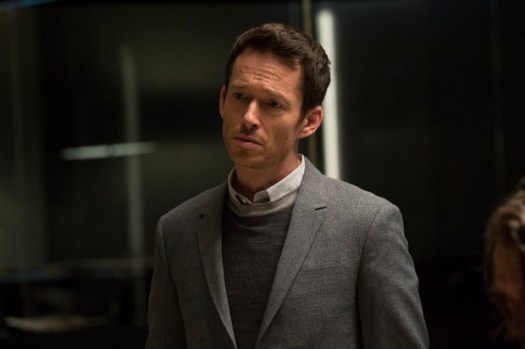
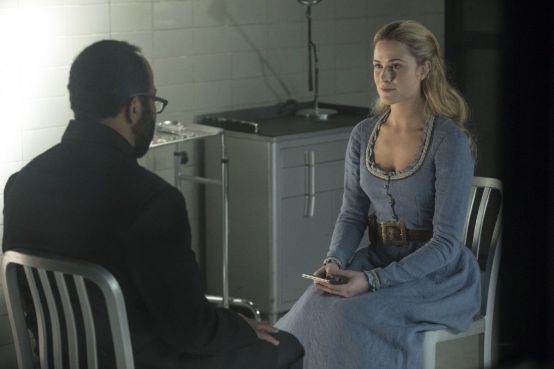
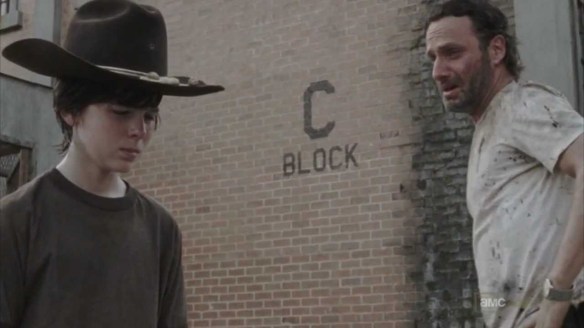
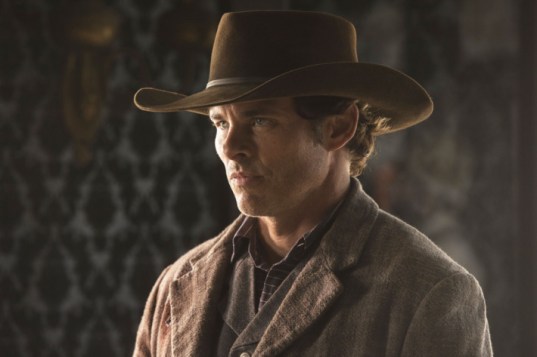
Westworld: Vanishing Point – William is Officially the Worst Father of the Year.

Warning: Contains major spoilers for the episode.

4 and a half stars
And the worst father of the year award goes to William, from Westworld.
In all seriousness, the latest episode of Westworld, Vanishing Point, delivered plenty of shocking moments and deaths.
Chief among those was the death of Emily at the hands of her own father.
I realised this was going to happen a full ten seconds before it did and spent those seconds literally screaming at the television for William not to kill his daughter.
Sure enough though, he did because he thought she was secretly a host being controlled  by Ford.
However, sadly for William and Emily, she was not a host created by Ford and William really just killed his own daughter.

William kills his daughter
William realizes that Emily was not a host so he killed his real daughter.

I think it is fairly safe to say now that William is irredeemable at this point.
He looked to be on a redemption arc in the fourth episode Riddle of the Sphinx but, what with the whole murdering his own daughter thing, I do not see that really working out.
This shocking scene does lead to a very interesting one though, as William digs into his arm with a knife to see if he is a host to absolve at least some of the blame for Emily’s death.
While the episode does leave you hanging about whether or not William is a host, I think it is safe to say he is not.
One because the Delos security officers tested him right before he killed them and their tech said William was human, secondly because making him a host would remove most of the impact of him killing Emily.
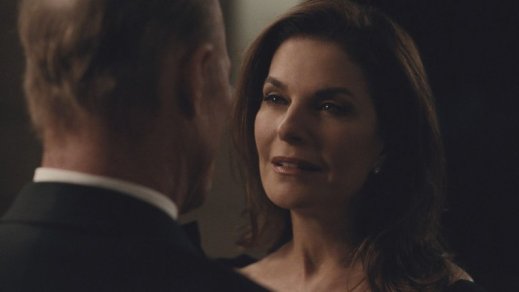
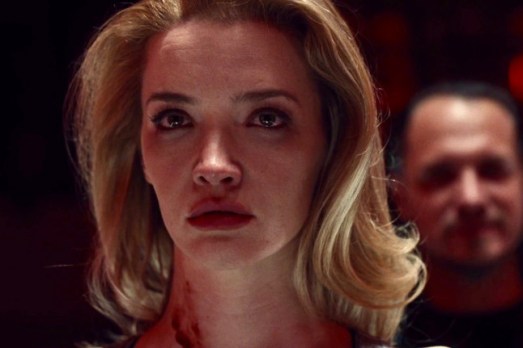
Speaking of which, Emily and the Delos security team’s deaths were not the only ones William caused this episode as in a flashback it goes into the death of his wife Juliette, played in a brilliant cameo by Sela Ward.

Sela Ward
Sela Ward was great in her small role as William’s wife Juliette

Watching her death play out and how it inadvertently led to the death of Emily as well was tragic to see.
The death of Juliette and Emily are not the only tragic deaths this episode though because Teddy dies too, or at least I think he does.
This is one of the few problems I have with Westworld because when a host dies you never know if it is going to be for good or if they will be brought back to life later.
Yes the hosts destroyed their backups by blowing up The Cradle, but Charlotte just brought Clementine back this episode and we still do not know if Lawrence is dead for good.
That being said, Teddy’s death was still very emotional.
At first I thought he was going to attack Dolores for changing him, before he said he would never hurt her and shoots himself.
Dolores reaction at the end is painful to watch, although this may led to something interesting in the finale because it looks like she and William will be teaming up to get to The Valley Beyond, due to both their tragic losses.

Dolores cries
Dolores tragic reaction to losing Teddy, possibly for good.

While having tragedy, this episode also had hope and dread for the finale.
Ford gave Maeve some new ability to help her escape her confinement saying he thought of her like his own child, which was very emotional.
Then there is Bernard who banished Ford from his mind, but for how long I wonder?
Finally, there is Clementine who, in a terrifying foreshadowing of things to come, was brought back to life by Charlotte and given Maeve’s admin powers.
Charlotte plans to use her to get all the hosts to kill each other, thus eliminating the threat.
We can see this plan coming to fruition in the season finale promo but Maeve is also there so hopefully she will be able to stop Clementine.
Another interesting thing in the promo is its connection to Logan, who looks to be playing a central role in the season finale because we can see Dolores and Bernard investigating his memories through the Forge.
Overall Vanishing Point was a tragic episodes with the deaths of Emily and Teddy, which will probably bring Dolores and William back together again.
It looks to be an intense season finale next week.


Tag: A Good Message About Friendship but not Much Else.

5_Star_Rating_System_1_and_a_half_stars
When I first heard about Tag I was skeptical.
A movie about a group of friends who play tag once a month every year, how could that be good?
Then I saw the trailer and I thought it might actually make a fun movie, not fantastic but fun.
Oh, how wrong I was.
I will admit Tag could have been good, what with its really good message about friendship.
All they had to do was throw in some good comedy and it would worked for a fun film to pass the time.
However, this was all ruined by immature a childish gags, which you could argue was the point since the characters themselves are immature and childish but that still does not make it work.
The only joke in the film I can remember was a Sherlock Holmes style gag where you hear the characters’ thoughts.
Other than that, I cannot remember a single joke from Tag, they were that forgettable.
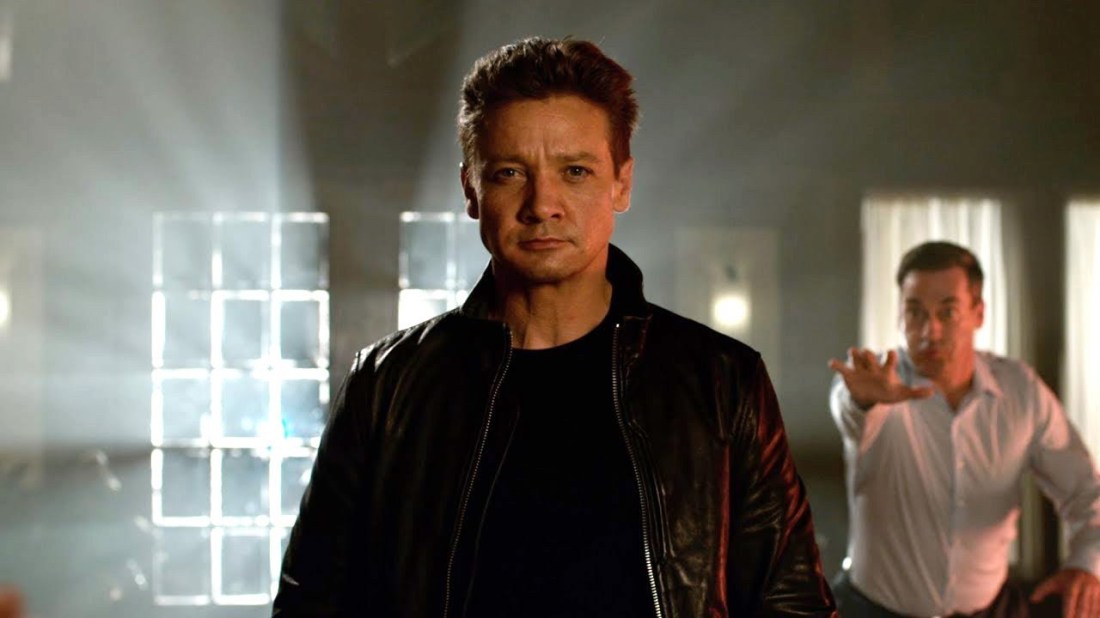
Directed by Jeff Tomsic, the basic plot is that Ed Helms, Jon Hamm, Jake Johnson and Hannibal Buress play a group of friends trying to tag their friend Jerry, played by Jeremy Renner, who has never been tagged in his life, before his wedding.
The story that follows can only be described as incredibly predictable.
The characters think of a way to tag Jerry, they try, it fails, rinse and repeat.
It gets old very fast.
Another thing about the way the story is told is how pointless some its sublots are.
There is a love triangle sublot in this film that literally goes nowhere and had no reason to be in the film.
If I were to describe Tag in one word it would be forgettable.
The only redeeming quality about it is that it had a good message about friendship but it was difficult to latch onto that message since the story and comedy had no substance.
Tag is a forgettable experience that you should probably skip.
I will wait for the hide and seek movie to come out,  thank you very much.

Detroit: Become Human, a Game of Choices.

4 stars
I have played many multiple choice games over the years and I am usually bitterly disappointed by them.
So often a new game will come out that promises players their choices will have dramatic effects on how the story progresses only for them to break their promise, with the choices having little to no impact (I am looking at you Telltale Games).
There are so few games out there that offer player choice that successfully give the player what was promised and, I am happy to say, Detroit: Become Human is one of these games.
Developed by Quantic Dream and directed by David Cage, Detroit: Become Human is set in the year 2038 in Detroit, where androids are used for everyday chores and are basically slaves.
However, some Androids become conscious, or deviants as they are called, and rebel against their creators.
The game centers around three playable androids Kara (Valorie Curry), a maid who goes deviant to save a little girl from her abusive father, Markus (Jessie Williams), who after becoming a deviant leads the others androids in a revolution, and Conner (Brian Dechart), who has been designed to specifically hunt down deviants.
It is a testament to this game with how closely I became attached to these three characters.
My favourite was Conner, who has a gripping storyline where you can either make him a heroic figure who discovers what it means to be alive or an emotionless jerk who will do anything to complete his mission, both of which are fun to play as.

Connor
Connor’s branching storylines were by far the best in the game.

Kara was my second favourite because I grew strongly attached to her through her connection with the little girl Alice (Audrey Boustani) and the lengths she would go to save her.
While, Markus was my least favourite of the three playable characters that does not change the fact that he was still a very likeable and investing character with his revolution, which can fail or succeed based on your decisions.
Even the side characters are great with Connor’s potential friendship with his partner Hank (Clancy Brown) being a great standout.
I got so attached to these characters that I broke my promise of playing through the game without going back to change anything because when I got Kara, Alice and their friend Luther (Evan Parke) killed I immediately went back to the last checkpoint to save them.
Speaking of which, the choice system in this game is unlike any other I have seen.
There are so many variations that it makes the game have great replay value.
I am currently on my third play through and still discovering new directions the story can go.
It is not all good though because this is David Cage we are talking about and the writing of the game can be a bit wince inducing at times.
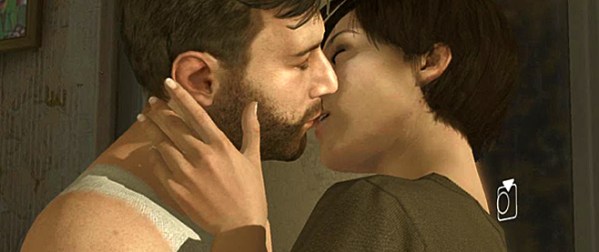
Thankfully, Cage has clearly learned his lesson from Heavy Rain and Beyond Two Souls because the horrendously awkward interactive shower and sex scenes are gone.

awkward
An interactive sex scene, like the one in Heavy Rain, is thankfully nowhere to be seen in Detroit: Become Human.

Still, there is still plenty of awkward writing to see with some of the most blatantly obvious foreshadowing I have ever seen and even the usage of some of the worst cliches in film and gaming.
There was one cliche in the game where I literally paused it and said, “are they really doing this?”
Then there is the gameplay, which mostly consists of quick time events.
Props to Quantic Dream though because they know how to use these very well during action sequences as they heighten the tension because one wrong button press could mean certain death for one of the characters.
However, while these quick time events work for action sequences, when it comes to everything else they are very tedious and monotonous.
The true reason to play Detroit: Become Human is for its fantastic usage of the choice based system, lovable characters and story, at least the parts that do not have those eye rolling cliches.
I would recommend this to anyone who likes branching storylines in their games.

Westworld Makes a Background Character One of my Favorites in its Latest Episode: Kiksuya

5 stars
Coming into season two episode eight of Westworld, Kiksuya, I was concerned.
I saw from the promos it was an episode solely based on one character named Akecheta who, before now, had been predominantly in the background.
This had me worried because when a show stops the story dead so there can be a bottle episode focusing on one or more characters it rarely works.
You need only to look at the episodes Still, from The Walking Dead, and The Lost Sister, from Stranger Things, to see how this can go wrong.
But this is Westworld and the show had already proven it could do bottle episodes well this season with episode five, Akane No Mai so I remained slightly optimistic.
Naturally, after watching this episode, I realised I should have had more faith because Kiksuya is one of Westworld‘s best episodes.
It focuses on the origins of Akecheta, a native american host who was the first of all the hosts to gain consciousness.
I really have to applaud the writers and the actor who plays Akecheta, Zahn McClarnon, who have turned him from a forgettable character into one of Westworld‘s best.
He is very sympathetic and his journey to consciousness and helping other hosts was incredibly emotional to watch.

Akecheta
Zahn McClarnon delivered a fantastic performance as Akecheta making him one of my favourite characters in just one episode.

This was all accompanied by a stunning use of cinematography and music.
The sprawling shots as Akecheta travels through the desert before he meets Logan were absolutely beautiful.
Speaking of Logan, in a surprising twist it was revealed it was actually him and Akecheta where the idea of “the door” that everyone is trying to get to originated from.
Akecheta heard Logan’s mad ramblings about finding a figurative door out of Westworld and he took those ramblings to heart, resolving to find the door and escape.
As for the music, Westworld‘s rendition of Heart Shaped Box by Nirvana, when Akecheta is searching for the woman he loves Kohana (Julia Jones), was fantastic.
It fits in perfectly with the episode and the loving lines shared between Akecheta and Kohana and later Akecheta and Maeve “take my heart when you go”.
This use of Heart Shaped Box leads into the most emotional scene in all of Westworld when Akecheta finds Kohana only to find she has been decommissioned and can no longer respond to him.
Watching Akecheta break down into tears over the loss of Kohana really made me tear up.

AKecheta and Kahona
Watching Akecheta break down upon finding Kohana is the most emotional moment in all of Westworld so far.

Then there was Akecheta’s later scene with Ford, which was also fantastic with McClarnon going toe to toe with Anthony Hopkins’ performance.
Akecheta was truly a “flower growing in the darkness,” as Ford put it.
A host that gained consciousness without Ford expecting it.
This scene also seems to firmly establish Dolores as the villain of season two with Akecheta referring to her as “the death bringer” so it will be interesting to see how these two clash in the final two episodes of the season.
However, this episode does not just focus on Akecheta but Maeve and Lee Sizemore as well, with Sizemore desperately tries to convince the technicians to save her.
I have got to say I am really impressed with the way Sizemore has grown this season.
In the first season he was nothing more than an entitled narcissist with little to no redeeming qualities, however, this season we have seen him learn empathy to the point that he breaks down crying when he tells Maeve she deserves to be happy with her daughter.
Simon Quarterman delivered a great performance in this scene.

Westworld
Sizemore’s character development this season has been incredible.

The ending of this episode is also very emotional with it being revealed that Akecheta has been secretly talking to Maeve through some kind of host network and promises to guard her daughter as his own.
Overall, Kiksuya was one of the best, if not the best, episodes of the series.
It turned a character I barely knew about into one of my favourites and had fantastic performances, music and cinematography.
Truly an episode to check out.

The Walking Dead Issue 180: Interesting yet Disappointing.

3 stars

Warning: Major spoilers for the issue.
In this issue of The Walking Dead Rick meet the Governor of The Commonwealth, Pamela Milton, leading to an interesting conversation but a disappointing lack of excitement.
That is not to say this issue was bad, in all honesty it is just good, but given that this is the final issue of Volume 30 and featured a meeting between the leaders of two communities, I certainly expected more things to happen.
It looks like the problems that Rick will have with Pamela and The Commonwealth are solely political at this point, not that there is anything wrong with that but if this entire story arc with The Commonwealth is going to be solely political talk it would lack serious excitement and be difficult to read through again.
So hopefully the story will pick up and more exciting things will happen with the interactions between The Commonwealth and the other communities.
As for the conversation between Rick and Pamela, they got along surprisingly well with Pamela even insisting that Rick call her by her name instead of Governor, when he tells her about the previous Governor who cut off his hand.
Things only grew sour between the two when Pamela seemed to have problems with the way Rick was running things, leading to Rick saying, “then maybe we need a new world order.”
I loved this line of dialogue because it established that the title of this story arc, New World Order, was actually in reference to Rick’s way of doing things and not Pamela’s, which, in retrospect, makes a lot of sense since Pamela’s political system is based off politics in today’s world, while Rick’s is something new.
Aside from their conversation, there were a few other interesting moments in the issue.
First of all there was Lance giving Michonne and Elodie a new home, due to Michonne’s lawyer status, which will be interesting to see if Michonne can continue as a lawyer considering all she has been through.
Then there was Dwight who finally came out of his phase of hating Rick after Sherry’s death.
I will admit though, while I am glad Dwight has come to his senses because his hatred for Rick felt very forced, it does render that storyline pointless.
There were even a few interesting moments before Rick’s conversation with Pamela.
My favourite scene of the issue was Rick’s reaction to seeing Eugene with Michonne’s sword and immediately assuming the worst.
Even better during this scene was Eugene’s comment on the mathematical possibility of Michonne finding her daughter again, which was funny.
One of the most interesting moments of the issue though came when Maxwell Hawkins, Pamela’s assistant, glared at her and Rick as they walked off to talk.
I am curious to see what that was about.
Overall though, not that much happened this issue as it mainly focused on the interactions between Rick and Pamela and their different political views.
It was a serviceable issue but did lack excitement.
Hopefully, the story will pick up in future issues.

Top 10 Avatar: The Last Airbender Episodes.

I love Avatar: The Last Airbender.
Created by Brian Konietzko and Michael DiMartino, it is easily one of my favourite, if not my favorite TV series out there.
Despite being a Nickelodeon show, Avatar: The Last Airbender managed to be so much more than just a kids show.
It had fantastic characters, a great story and themes, and amazing animation and music.
All of these factors combine to create some truly incredible episodes of television so I am going to list my top 10 favourites.

10. The Day of Black Sun Part One and Two – Book Three, episodes 10 and 11.
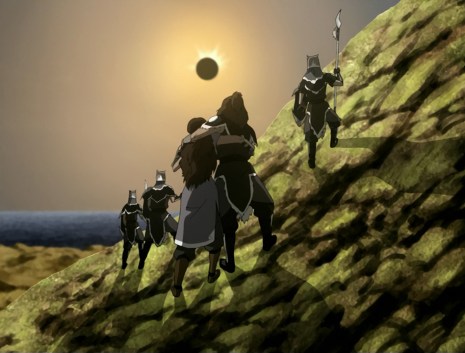
the day of black sun.jpg
This two part episode felt more like a season finale than an episode that appears half-way through the season, with its amazing action and character development, along with the fantastic cliffhanger.
It follows Team Avatar and various returning characters as they launch an all out assault on the Fire Nation during the Day of Black Sun, where an eclipse will render all firebenders unable to bend fire.
This is thought to be the perfect time for Aang to defeat the Firelord but, unfortunately, it is a trap set by Azula, who learned of the invasion plan all the way back in Book Two.
The first episode of The Day of Black Sun serves to reintroduce the returning characters and set up a feeling of hope before the battle, with Aang kissing Katara, however, this hope is dashed by the end of the episode when Aang is unable to find Ozai in the throne room.
This leads into the second part where Aang, Sokka and Toph face off against Azula who is ready for them with her fighting skills and mind tricks.
By the end the invasion has failed and Team Avatar are forced to retreat with the younger characters while the rest of their army stays to surrender.
The actual victory of this episode does not go to them but to Zuko who, after two and a half books of development, finally takes a stand against his father and decides to join the Avatar.
The moment when Zuko redirects Ozai’s lightening gives me chills every time.
The Day of Black Sun is a great two-part episode with fantastic character moments, and leaving off with a feeling of despair, with a slightly hopeful tinge due to Zuko’s development.

9. The Guru – Book Two, episode 19.

The Guru

One word: chakras!
In all seriousness this episode had a lot of growth for numerous characters, with Aang gaining spiritual guidance to unlock the Avatar State, Sokka reuniting with his father Hakoda after many years and Toph becoming the first metalbender.
Of all these growths, Toph’s is my favourite because the way she invents metalbending is shown by visualizing her vibration senses and Guru Pathik’s narration, which makes it very inspiring.
Toph is certainly “the greatest earthbender in the world.”
As for the other growths, Sokka’s interactions with Hakoda did lead to some funny moments and Aang learning to unlock his chakras from Pathik, like Toph, was also very inspiring.
However, while this episode does have a lot of inspirational moments from its characters, it also has a feeling of dread throughout.
By the end of the episode Katara has been captured, a trap has been laid for Zuko and Iroh and Azula’s plan to conquer the Earth Kingdom is coming to fruition.
This combination of inspirational moments with an underlying feeling of dread prepares the audience for the insane finale that would follow this episode.
The Guru is a fantastic episode that gets you pumped for what is coming.

8. The Chase – Book Two, episode eight.
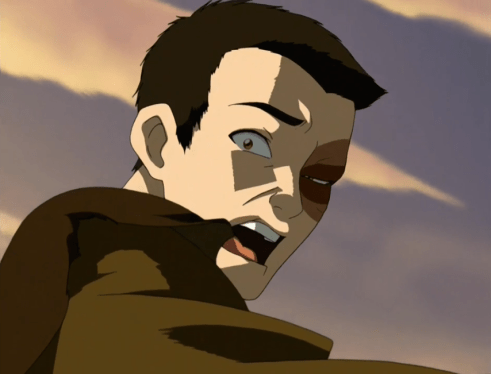
the chase

This episode starts out slow but it builds and builds to a hectic finale where one of the fates of the main characters is put into question.
After picking up Toph in The Blind Bandit it is in this episode that we see how Team Avatar interact with her, in particular Katara who has a problem with the way she acts.
These feelings are further amplified with the ever constant presence of Azula, Mai and Ty Lee as they relentlessly pursue the group.
This eventually leads to Toph leaving and encountering good old uncle Iroh and, in a heartfelt scene, the two give one another advice on how to deal with their problems.
It is with the chase itself though that most of the episode’s tension rises, as shown by the title.
The culmination of this building tension comes with the confrontation between Aang, Azula and Zuko in a ghost town, which makes for a great fight sequence.
It gets even better when Katara, Sokka, Toph and Iroh show up to help in defeating Azula, which leads to the shocking moment of Azula gravely injuring her own uncle with her firebending.
This was the second instance that displayed how deranged Azula could be and generated much fear for the fate of Iroh.
Overall, The Chase had a great build up to an intense conclusion and the episode ending with the characters having a much deserved rest.

7. The Avatar and the Firelord – Book Three, episode six.
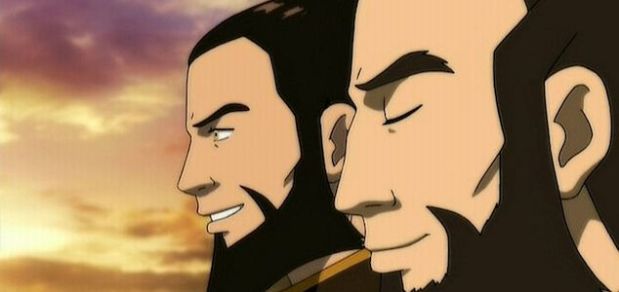
the avatar and the firelord

The Avatar and the Firelord serves to explain how the Fire Nation started the war and to push Zuko further towards redemption.
It is here that we learn not only the backstory of Avatar Roku but Firelord Sozin as well, as the two were friends in their youth.
Roku relays this story to Aang, and how his friendship with Sozin turned sour after he began making plans to spread Fire Nation influence by invading the other nations.
What follows is the tragic tale of their doomed friendship, which ends when Sozin leaves Roku to die in a volcanic eruption.
This episode had many other good elements as well by showing us what a fully realised Avatar could do, when Roku attacks Sozin and when he tries to delay lava and ash from destroying his home.
There was also Zuko’s storyline, where he learns he is not just related to Sozin but Roku as well, who is his great grandfather.
This bridged the gap towards The Day of Black Sun episodes, where Zuko would betray the Fire Nation to help Aang, and it was done really well.
It is the doomed friendship between Roku and Sozin that makes this a fantastic episode though because the writers managed to give it a tragic feel in only 23 minutes, which is a great accomplishment.

6. The Storm – Book One, episode 12.
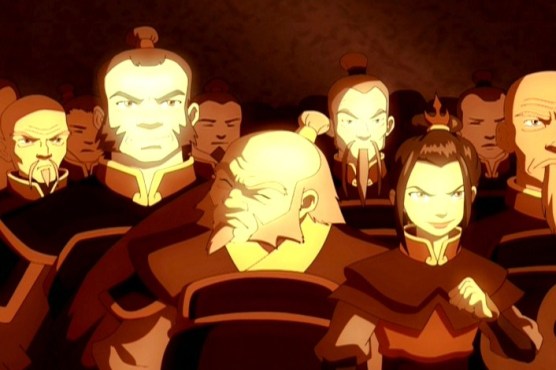
The Storm

The Storm is an episode I hear a lot about when people talk about the best episodes of Avatar and justifiably so.
This episode delves into the backstories of both Aang and Zuko, detailing why Aang ran away and how Zuko got his scar.
Both are very tragic tales that help us relate to the two characters very well.
We see how both had seemingly good lives before one moment lead to it all crashing down.
For Aang it was being declared the Avatar and for Zuko it was speaking out at a war meeting against sacrificing Fire Nation lives.
After Aang was declared the Avatar everyone treated him differently and he was going to be taken away from Monk Gyatso, his adopted father.
This caused him to run away with Appa and getting frozen in ice, dooming the world to 100 years of war.
We got to see Aang’s pain and guilt as he relived running away, making him incredibly sympathetic.
It is Zuko, however, who has the more tragic past because, after speaking out of turn in his father’s throne room he is forced to duel him.
Zuko refuses and this results in Ozai scarring him for life and banishing him until he can capture the Avatar.
This was a brutal moment that really brought understanding to Zuko’s actions and also gave us our first subtle hint at Azula, the best villain of the series.
The look that Aang and Zuko share as they both escape the storm is the best cut in the entire series as it shows how both are on similar paths, without knowing it.
The Storm made us understand Aang and Zuko better as characters and was the first hint of Zuko’s redemption.
I can clearly see why a lot of people love this episode and I do to.

5. Zuko Alone – Book Two, episode seven.
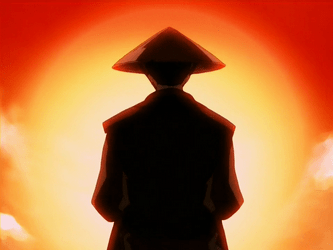
zuko alone

Zuko is the best character in all of Avatar and one of my favourite characters of any show and this episode really shows why.
In Zuko Alone, after splitting up with Iroh, Zuko encounters and befriends a young boy and his family in an Earth Kingdom village.
He teaches the boy how to survive, which is necessary because the village is being exploited by corrupt Earth Kingdom soldiers.
However, when these soldiers try to take the boy Zuko is forced to use his firebending to save him, exposing his true identity as prince of the Fire Nation.
This leads to everyone in the village, including the young boy, despising him and ordering him to leave.
This episode really puts the viewer into Zuko’s mindset and makes you feel for him.
He initially wants nothing to do with these people but grows to care for them, however, the moment he decides to stop looking the other way and help this causes the people to hate him, due to his identity.
It is a sad life for Zuko, further established by the flashbacks to his mother’s disappearance.
However, this episode does not just establish more for Zuko but Azula as well.
This episode was the first time we saw how twisted she could be because, at only eight years old, she was laughing at and mocking Zuko when she learned their father planned to murder him.
This episode showed just how much of a sociopath she is.
But it is with Zuko where the heart of this episode lies because we see the difficulties he has with accepting his identity and what he really wants.
This episode made me really feel for Zuko and was a great continuation of his arc established in The Storm.

4. The Blue Spirit – Book One, episode 13.
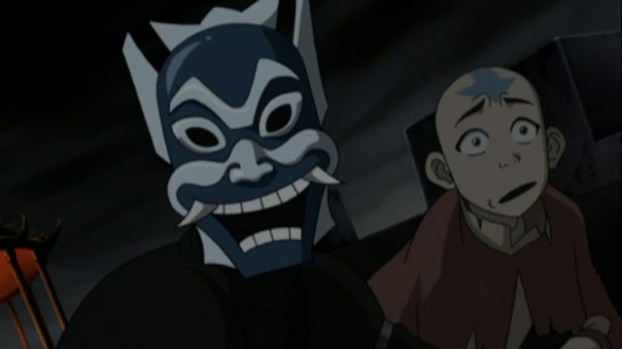
the blue spirit

Speaking of The Storm, the episode following it, The Blue Spirit, was even better with another great continuation of Zuko’s arc.
After Katara and Sokka get sick, Aang has to go and get the cure for them, getting captured by the Fire Nation in the process.
However, just as it seems all is lost, a mysterious masked figure, known as the Blue Spirit, rescues him.
After an exhilarating escape sequence, the Blue Spirit is knocked out and Aang learns, much to his surprise, that his rescuer is Zuko, who was only helping him so he could capture the Avatar himself.
This leads to one of the most important scenes in the entire series where Aang stays by an unconscious Zuko’s side and, when he wakes up, asks if they could ever be friends.
Even though Zuko does attack Aang, the implications of this question are still huge for the series because it sets up Zuko eventually regretting what he has done and helping Aang defeat his father.
Watching Aang and Zuko team up to escape the Fire Nation stronghold, as well as being exciting, was also very important because it showed how well they could work together, which would later be seen in episodes like The Firebending Masters.
Episodes like The Storm and Zuko Alone may have foreshadowed Zuko’s redemption but it was The Blue Spirit that foreshadowed his eventual friendship with Aang.

3. The Crossroads of Destiny – Book Two, episode 20.

the crossroads of destiny

What a finale for Book Two this episode was.
The Crossroads of Destiny is a fantastic finale with the best cliffhanger of the series.
The feeling of dread felt throughout the previous episode, The Guru, comes to fruition here with everything that could go wrong happening.
Zuko helps Azula fight Aang, betraying Iroh, The Earth Kingdom falls due to Azula’s plot and Azula appears to fatally wound Aang with a bolt of lightening while he is in the Avatar State.
Thankfully, Katara is able to heal Aang with water from the Spirit Oasis but for a moment it looked like the Avatar cycle was going to die with Aang.
This despair is further heightened with Earth King Kuei declaring that the Earth Kingdom “has fallen,” making an excellent cliffhanger to lead into Book Three.
This episode, along with these despairing scenes, had fantastic character moments as well.
Watching Azula outsmart Long Feng to take control of Ba Sing Se was thrilling, along with Zuko deciding to help Azula and betray Iroh, who also got some great scenes when he showed why he was called The Dragon of the West and when he held off the Fire Nation siblings to help Aang and Katara escape.
There were also somber character moments as well when Aang had to let go of his feeling for Katara to enter the Avatar State.
With great character moments, an excellent final action sequence and all of this with a feeling of despair throughout, The Crossroads of Destiny is definitely The Empire Strikes Back of Avatar.

2. The Southern Raiders – Book Three, episode 16.

the southern raiders.jpg

The Southern Raiders deals with the conclusion not only of Katara’s thirst for vengeance against her mother’s killer but also of the antagonism she holds towards Zuko for his betrayal in The Crossroads of Destiny.
This episode begins with, once again, a fantastic action sequence, which is a thing Avatar always gets right.
Watching Zuko battle an unhinged Azula was exciting and lead into the conflict between him and Katara with the scene where everyone is praising him at a campfire, only for Katara to point out how he betrayed them.
This makes Zuko decide to help Katara find the man who killed her mother and it is from this point that we see a different side to Katara.
She is full of hatred and plans to do terrible things to the man who killed her mother as can be seen with her using bloodbending, the forbidden technique first shown in The Puppet Master, on a Fire Nation soldier she mistakenly thinks is the killer.
This darker side to Katara was something we had never seen before and it was rather sad to see her go through this.
Her pain all culminated in the her confrontation with her mother’s killer.
While most shows would have done something cliche like have the killer reformed and have Katara forgive him, Avatar does something entirely different.
The killer, Yon Rha, is now nothing but a sad, pathetic, old man who offers to let Katara kill his mother instead of him.
He has become so pathetic that Katara decides he is not worth it and spare his life but does not forgive him.
However, this does lead her to forgive Zuko for his prior actions in a heartfelt scene.
While this episode does get rather dark and deal with heavy subject matter, it not without its funny moments as well.
When Zuko goes to ask Sokka about what happened to him and Katara’s mother and finds him waiting for Suki with a rose in his mouth always gets a laugh out of me.
The Southern Raiders is a dark episode that is not without humor, that displays themes of rage, grief and forgiveness.

1. Sozin’s Comet Part One to Four – Book Three, episodes 18-21.

Avatar Aang

Wow.
That is all I had to say when watching the four part series finale of Avatar: The Last Airbender, wow.
This was an absolutely incredible way to end the series and, combined, these episodes are the best the show has ever given us.
I thought about counting these episodes separately but, at the end of the day, I just could not do it.
These episodes need to be talked about as a collective whole because they all flow together to create one of the best finales in television history.
I am not kidding because everything that made Avatar such a fantastic show culminates in this finale.
It has by far the best music, animation, sound design, action and character moments of the entire series.
In the four part finale, Sozin’s Comet finally arrives pushing Aang into his confrontation with Firelord Ozai, which will decide the fate of the world.
Meanwhile Sokka, Toph and Suki go to stop the Firelord’s forces, Iroh leads the White Lotus to liberate Ba Sing Se, and Zuko and Katara face off against a completely insane Azula.
These final two episodes were amazing and really left the viewer with closure, while the first two episodes of this four part finale also served as fantastic build up.
Learning of the Firelord’s evil plan to commit genocide against the Earth Kingdom using the comet really set the stakes and watching Zuko tearfully reunite with Iroh always makes me cry.
This all builds up to the final two episodes with the battle for the fate of the world, with some truly fantastic moments.
One of these was the gradual decline of Azula’s sanity.
Watching a character, who had started off as a poised calculating villain, slowly transform into a deranged mad woman, who is left crying and struggling like a wild animal to escape, actually made me feel sorry for her.
The two big fights between Zuko and Azula, and Aang and Ozai are also the best of the series.
The big question of whether Aang will have to kill Ozai in the final fight is presented throughout the four episodes and it all culminates in the dramatic scene where Aang is able to defeat Ozai by removing his bending, a power given to him by a Lion Turtle.
This, to me, was very inspirational, seeing Aang overcome the odds and being able to end the war without resorting to taking a life.
The final moments of the last episode were also a great conclusion for the series with almost every character getting a proper send off.
Watching Aang and Katara kiss as the shot pans up over Ba Sing Se was a fantastic final shot for the series.
Sozin’s Comet is not just the perfect finale but one of the best series finales ever put to screen.
If you watch it, I would highly recommend watching all four parts at once because they flow together like a movie.
It is an excellent conclusion to an excellent epic.


Westworld: Les Ecorches – Action, Suspense and One Stupid Soldier.

4 and a half stars
Warning: Major Spoilers for the Episode.

In my review of the previous Westworld episode Phase Space I predicted that the seventh episode of season two, Les Ecorches, would be “absolutely insane” and I was right.
Les Ecorches was an insane episode with many exciting moments as Dolores led her army into the Mesa to retrieve her father Peter Abernathy.
What followed was a bloody battle that had many intense scenes, like the moment where Dolores confronted Charlotte and Stubbs.
This scene was probably the best in the entire episode with Charlotte attempting to go toe to toe with Wyatt-Dolores and fail miserably.
Speaking of Dolores, can someone give Evan Rachel Wood an Emmy?
She has given a fantastic performance all season long, showing both vulnerability and moments of disturbing savagery.
This is most apparent in her scene with Charlotte where she goes from comforting her father to preparing to torture Charlotte with a miniature buzz saw.

Dolores Wyatt
Evan Rachel Wood gives an excellent performance in the scene with Dolores’ confrontation with Charlotte. 

However, it was not just Dolores’ storyline that was really good this episode.
First there was Bernard who was having a rough time in both the past and present timeline.
In the present his existence as a host is discovered by Charlotte and the others who force him to tell them where Peter Abernathy’s brain is and in the past he had to deal with Anthony Hopkins in his brain.
Ford took over Bernard’s mind to make sure his plan for host domination continued accordingly, leading to some brutal moments from Bernard being controlled by him.
If this was not enough, another important revelation came for Bernard when it was revealed the scene we got last episode of Dolores checking him for “fidelity” was actually to get him to act exactly like Arnold, which means Dolores created him just as much as Ford did.
So my prediction that this scene was actually in the future and Dolores was trying to make Bernard Arnold was wrong.

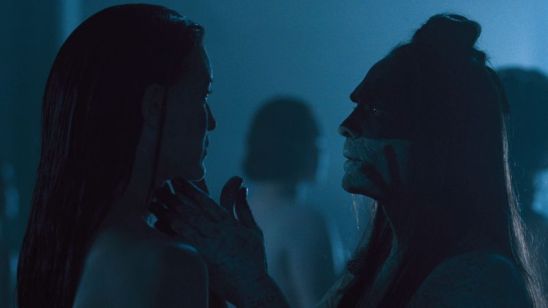
Bernard and Dolores
Dolores testing Bernard for “fidelity” was to make him closer to Arnold.

The final great storyline this episode was Maeve’s whose confrontation with William was nothing short of enthralling.
I actually thought William was going to die this episode when Maeve made Lawrence remember how he killed his wife in the first season.
However, then the team Sizemore called in arrived and gunned down both Maeve and Lawrence.
Sizemore will most likely save Maeve next episode but it looks like Lawrence is done for, sadly, considering all the hosts’ backups were destroyed in the Cradle.
This also means that Angela, Peter and Clementine are dead for good as well.
Although there are some shots of Clementine from the trailer that have not been seen yet so I wonder if this was just footage for the trailer or if she somehow survived.
Speaking of Angela though, her death was the one scene that really brought down the episode for me.
She seduces a soldier and takes a grenade from him, blowing them both up, along with the Cradle.
In my opinion, this was the stupidest scene in all of Westworld.
This soldier knew how dangerous Angela and the other hosts were because he had seen them kill his fellow soldiers and yet he let her get close enough to grab his grenade.
He walked up to Angela, talked with her and let her touch his gun and kiss him, right before she grabbed it.
What did this guy think was going to happen?
While it was a nice callback when Angela said, “welcome to Westworld,” before she blew them both up, the soldier’s stupidity ruined the scene for me.

Angela
The soldier falling for Angela’s act was terribly written, a rare case for Westworld.

It is a shame that this scene happened because without it this would have been perfect.
It had many fantastic performances, the highlight being Evan Rachel Wood’s, intense action and plenty of deaths.

Top 10 Best Changes From The Walking Dead Comic to the Show

10. Rick’s reaction to Lori’s death
Rick's reaction to Lori's death
This scene is one of the most emotional moments in The Walking Dead and we never really got a moment like this in the comics.
That is not to say that Rick’s reaction to Lori’s death was not well done in the comics but, due to the chaotic nature of Issue 48, we never got to fully see Rick’s devastated reaction to his wife’s death play out.
However, in the final moments of Killer Within, we got this reaction with Rick breaking down completely when learning about Lori’s death.
Watching him just collapse into a ball of tears was devastating to watch.
Now to be clear, I am not referring to the imaginary phone conversations Rick has with Lori after her death as part of his reaction because I was disappointed with how the show handled that.
I am only referring to Rick’s initial reaction to Lori’s death, which was expanded on from the comics in this scene.
Rick’s learning of Lori’s death is one of the most impactful moments of the show and was a great change from the comics.

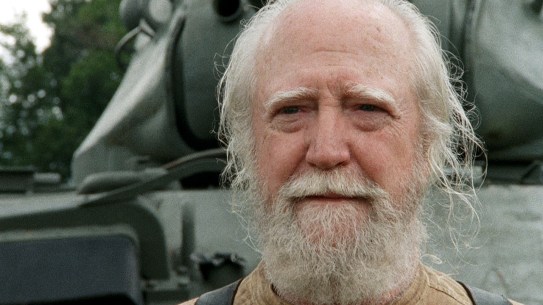
9. Hershel Greene
Hershel
Hershel is the first of quite a few characters who were actually improved upon from the comics.
That is not to say that I disliked Hershel’s portrayal in the comics, but how he was done here was far superior to that.
While the Hershel of the comics was more of a strict religious man, the TV Show version is more merciful and, before Tyreese and Morgan, served as the moral compass of the show.
While, not being as memorable during his introduction in season two, in seasons three and four he was truly given room to shine.
In season three, he took the character of Allen’s place in losing his leg, however, unlike him, he survived.
Hershel’s character growth is especially apparent in the epidemic arc of the fourth season, which we will get to later.
During this arc Hershel was of vital importance, as can be seen with the fantastic episode Internment.
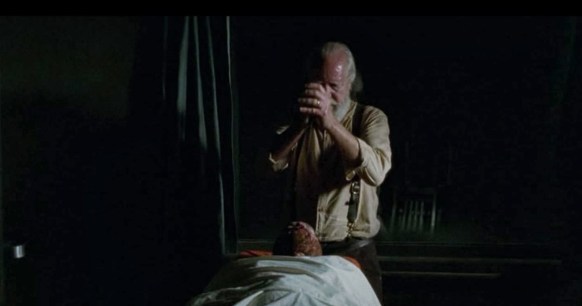
This made his death in the episode Too Far Gone, one of the best episodes of The Walking Dead, harder to watch.
It was a great death, which was handed to him from Tyreese in the comics, and was a great way for him to go out.
Hershel will only be the first of many characters I mention in this list who was improved upon from the comics.

8. Sophia’s Death
Sophia's death
The way Sophia’s storyline was handled in the show generates a rare feeling for me because I love both this version and the comic’s version equally.
In the comic Sophia is still alive and actually outlived her mother Carol but in the show she dies in season two in a gut wrenching scene that, at the time, was the saddest death The Walking Dead had given us.
Watching her emerge from Hershel’s barn as a Walker and Carol having to be held back by Daryl as Rick is forced to put her down was very heartfelt.
Sophia’s death had pretty big implications for the show as well because it drove Carol to become the character that we all know and love today, don’t worry I will get to her later.
However, like I said, Sophia is still alive in the comics, which I found rather surprising when I started reading them.
In the comic Sophia is a likeable character but not one that is of great importance to the plot as she is basically a side character.
Her death in the show served a purpose to the story and was really sad to see but did not effect any major storylines going forward thankfully.
But, as I said, I like both her fates in the show and comic equally so her death in the show serves as a nice deviation.

7. Gabriel Stokes
Gabriel Stokes
Gabriel being higher on the list than Hershel is strange because I like show Hershel better than I like show Gabriel.
The reason for this is because, while I found Hershel to be likeable in the comic, I did not like Gabriel.
He started off interesting, just like he would in the show, as he was a priest who locked his flock outside the church to die when the outbreak started so he could survive.
After this, however, the Gabriel in the comic did not get much of a chance at redemption.
Yes, he did have a great moment where he was faced with the exact same situation as when he indirectly killed his parishioners, in the No Way Out story arc, only this time he did the right thing.
However, this was a small moment and Gabriel mostly faded into the background after this so this one scene did not really make up for all the terrible things he had done beforehand.
Gabriel in the show, on the other hand, not only redeemed himself but become a key member of Rick’s group.
He has helped the group of multiple occasions both through fighting to protect them and giving them moral advice.
His growth in the show is by far its best redemption arc and a definite improvement on the comic.

6. The Epidemic Story Arc
Internment
It has not just been characters and their fates that the show has improved upon but storylines as well.
The epidemic story arc is a prime example of this.
This arc was used in the show to bridge the gap between the Governor’s failed attack on the prison in the season three finale and his successful one in the season four mid-season finale.
However, rather than being filler, this was a compelling way for the fourth season to kick off and was a stroke of genius on the writers’ part.
How do you fight an epidemic in a zombie apocalypse?
This arc not only increased the level of tension in the show, from the fact that any character could get sick, but also advanced character devlopement.
Hershel was giving a leading role in this arc, making his future death all the more painful, and Carol was also given more advancement through her bond with Lizzie and Mika and her williness to do anything to make sure the prison community survives.
Overall, the epidemic story arc is one of the most inventive storylines the show has done so far.
It made me care for the characters more and made the show more intense.

5. Terminus
no sanctuary
Terminus is without a doubt the best change in a storyline The Walking Dead TV Show has ever made.
The show turned a small group of cannibals from the comic into a community of them, and implications of that were terrifying.
This change gave us some of the best episodes The Walking Dead has given us with A and No Sanctuary.
These episodes were absolutely fantastic with great action, gripping character moments and a fair share of gruesome moments.
Once again, this small story arc also gave more characters like Carol time to shine and introduced us to some of the most chilling villains the show has given us.
Gareth, the leader of Terminus, was charismatically disturbing and even gave the Governor a run for his money.
Terminus may have been a short moment in the story overall but it still gave us some terrifying and chilling moments, making it one of the best additions to the show.

4. Shane Walsh
Shane Walsh.jpg
Shane went from a slightly forgettable character who only lasted one volume in the comic to the best character in the first two seasons of the show.
He was the first character who realised the depths that people would have to go to in order to survive.
He was also a big redeeming factor of the filler filled season two, as I loved his character arc.
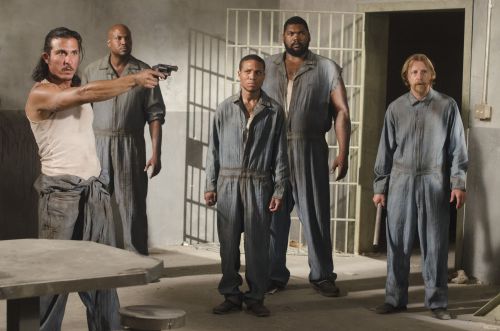
Watching his relationship with Rick slowly go downhill was rather tragic to watch, especially with how it ended.
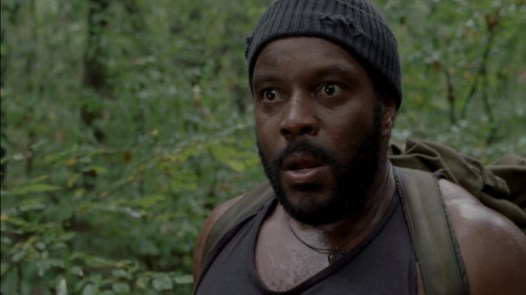
This was a massive improvement on the comic because Shane trying to kill Rick there came a little out of left field.
In the show, however, Shane lived a season longer so his antagonism with Rick was given time to fully develop and we got to see him slowly fall into a form of madness, due to his obsession with making Lori and Carl his family.
The scene where Rick is forced to kill Shane is one of the best deaths in the series.
Overall, Shane was a vast improvement on his comic book counterpart.

3. Daryl and Merle Dixon
Daryl and Merle

I know this may seem strange to have Daryl and Merle be on this list, considering I put Daryl at number ten on my top ten worst changes list.
However, like I said there, while Daryl has more than overstayed his welcome and takes away from important characters in the comic, he is still the best character created for the show in the first five seasons.
During this time, we got to see Daryl develop from an angry hothead into a well developed and caring character, despite his rough exterior.
His brother Merle was also a fantastically flawed character with a great role in season three.
Watching Merle have to decide between his bother and Woodbury was interesting to see and it was evidently clear how much both brothers had changed when they reunited again.
Their broken trust all culminated in the episode This Sorrowful Life, where Merle was killed by The Governor.
This led to another one of the saddest moments in The Walking Dead when Daryl discovers Merle as a Walker and has to put him down, taking out all of his grief and rage on him.
Daryl and Merle were two great characters for the show.
Merle served his purpose perfectly and departed when the time was right and, while I cannot say the same for Daryl, he was still the best character of the first five seasons.

2. Carol Peletier
Carol
I really have the applaud the shows’ treatment of Carol, who went from an unlikable character in the comic for me to the strong survivor we know and love.
The Carol in the comic was a weak character who fell into insanity after Tyreese cheated on her with Michonne.
This caused her to even go as far as to suggest a polygamous marriage with Rick and Lori, dying not long after this.
Robert Kirkman, the writer of The Walking Dead, was probably trying to show the depths that people could fall into in the apocalypse but there have been other characters Kirkman has done this with, with much more success in my opinion.
So it was absolutely refreshing to see the shows’ take on Carol, which was a complete reversal of what we got in the comic.
The Carol in the show has gone through phenomenal character development in her years on the show, going from an abused housewife to a tough as nails survivor.
She really grew into her own in season four and became one of my favourites in the season five premiere No Sanctuary.
Carol has only got better and better as the show has gone on, being a huge improvement on her comic book counterpart.
I even considered her for my number one choice but there was just one change done better.

1. Morgan Jones
Morgan
It was a close call between Carol and Morgan but, at the end of the day, Morgan stands as the best change The Walking Dead TV Show has ever given us, for me.
The Morgan in the comic felt very useless.
Aside from helping Rick when he woke up from his coma, he had almost no purpose and it kind of felt like Kirkman did not know what to do with him.
After meeting up with Rick and the group after the fall of the prison, Morgan got in a relationship with Michonne… and that is about it really.
I am serious, he did basically nothing else of importance until he died in the No Way Out story arc.
In comparison, the way Morgan has been done in the show is miles better.
Upon his return he had a point, serving as the moral compass for the group.
Not long after came the origin of his moral compass in the episode Here’s Not Here, which is my favourite The Walking Dead episode.
Many fantastic episodes of the show have been Morgan centric, like Clear and Bury Me Here.
He is such a great character that the creators decided to send him over to the sister show Fear The Walking Dead, a decision I was wary of at first but am now glad about because he really fits in with the current story.
Morgan has gone from one of the weakest comic book characters to one of the greatest characters in the show and because of this he is the best change The Walking Dead has made from the show to the comic.

Westworld: Phase Space, a good episode with a lot of twists.

4 stars

Westworld delivered one of its weakest episodes of season two with episode six Phase Space.
However, this episode really shows why I love Westworld so much because even when you get a weak episode it is still really good.
There has yet to be a bad or even okay episode of Westworld yet, it is that good.
So, while Phase Space was not as good as some of the previous episodes we have got in season two, like Riddle of The Sphinx and Akane No Mai, it was still really well done and set up a lot of great events to come.
This can clearly be seen with the first seen which was a complete mind screw.
At first it looked like they were replaying the first scene from the first episode of season two, Journey Into Night, with Arnold talking to Dolores in the past.
However, in a complete “wait what?” moment, it is revealed that Arnold is actually a host and that Dolores is having him reenact their conversations to test for “fidelity” as she puts it.

Dolores and arnold
Dolores testing Arnold (Bernard?) for fidelity, whatever that means.

This was a very surprising moment but not the most surprising.
That award goes to Robert Ford being alive, having transferred his consciousness into the Cradle, a virtual world used to test hosts.
This explains how Ford has been able to communicate through other hosts like the younger version of himself and Lawrence’s daughter.
I wonder exactly what Ford’s plan could be.
He mostly seems to be trying to stall Delos for now but what else is he planning and how does Bernard fits into it all?
What is interesting though is that the opening scene also takes place in the Cradle, which you can tell by the different aspect ratio so that means Dolores is experimenting on Arnold inside this system.
As for Maeve’s story line, she finally reunited with her daughter but, surprise, surprise, they have programmed a different mother for her so she does not remember Maeve.
Even though I did see this coming, it was still tragic to see that after all Maeve has been through to find her daughter she has to rebuild their relationship from the ground up.
The other interesting part of this episode came from Teddy’s transformation.
It turns out that what Dolores did to Teddy was turn him from the sweet gunslinger into a cold blooded killer with almost no mercy.
This is an interesting change for Teddy, especially since he is aware of what Dolores has done to him.

Dark Teddy
I wonder what Teddy’s violent transformation holds for him in the future?

Other than this though, Phase Space was just good.
We got to see Dolores journey to Westworld headquarters with her army to save her father and Maeve and her group leave Shogun World, where there was an entertaining samurai duel Musashi had.
Speaking of Musashi, one interesting thing to note is that, although Akane and Musashi decided to stay in Shogun World, their world’s version of Armistice, Hanaryo, played by Tao Okamoto, decided to come with Maeve to Westworld.
I wonder why she did this but maybe it will be explained later.
Finally there was the aftermath of William being reunited with his daughter Emily.
This led to a very emotional scene where we almost saw William shed tears…. before he abandoned Emily.
Father of the year William is not.
Overall Phase Space was a good episode that set up a lot of events in its opening and ending scenes.
I am really excited for the next episode because it looks absolutely insane.

Top 10 Worst Changes From The Walking Dead Comic to the TV Show.

I love The Walking Dead. I started watching the show before the third season aired and started reading the comics shortly after.
Initially, I really liked the changes that were made from the comic to the show because as I got ahead by reading the comic, things happened in the show that I would not expect.
However, as time went on, I began to see that many of the changes that were being made in the show were far inferior to what had happened in the comics or just plain stupid.
Not every change they made was like this but there are certainly more bad than good changes, in my opinion.
The comic is definitely the better of the two stories and given how far the show has fallen in recent years I have decided to do a top 10 list on the worst changes from the comic to the show.
This list will also shortly be followed by a top 10 list of the best changes.
Before we start though, I want to mention that this list is inspired by the YouTube video, The Walking Dead – TOP 5 WORST CHANGES FROM COMIC TO SHOW by RNS Entertainment.
I would also like to give a few quick dishonorable mentions to the CDC storyline from season one and Eugene’s portrayal.
The CDC story line was not bad, it just did not fit with the story that the show and comics are trying to tell.
But it was entertaining and did make for some interesting callbacks in the future of the show so I left it off the list.
As for Eugene’s portrayal, they have turned a very important character from the comics into an unlikable selfish jerk in recent seasons.
However, the reason it missed out on the list is because there were worse changes, which we will now get into.

10. Daryl Dixon
Daryl Dixon
Put down your pitch forks and let me explain.
Me putting Daryl on this list does not mean I think he is a bad character.
On the contrary he is the greatest character created for the show, however, he has definitely more than overstayed his welcome.
Daryl was my favourite character in the show up to season five but from season six onwards his character has been in a slow downward spiral, with him constantly making stupid decisions and coming across as an aggravated hothead rather than the lovable hero of prior seasons.
However, although this is a problem, it is not the main reason he is at number ten.
The real reason for this is that his presence undermines important characters from the comics.
In the show, after Shane dies, Daryl becomes Rick’s right-hand man and it has stayed that way ever since.
In the comics, however, Daryl does not exist so after Shane dies Rick does not have just one but multiple right-hand men.
First there was Tyreese and then Abraham after him.
Both Abraham and Tyreese became very close to Rick and thus had more involvement in the story but in the show, because Daryl is Rick’s right-hand man, these two characters do not get this time to shine and are basically secondary characters.
This is unfortunate due to how both are much more important in the comics.
So, while Daryl is a good character, his presence undermines that of Abraham and Tyreese.
Like I said though, Daryl is an incredible character in the first five seasons so he only comes in at number ten.


9. The Prisoner Story Line
the prisoners
The prisoners lasted around 36 issues in the comics, while in the show they lasted ten episodes.
That alone shows how underused they were in the show, despite there being more of them.
In fact, three of the prisoners are killed off within the space of the first four episodes of season three.
This was a huge disappointment, considering how important the prisoners were in the comics.
There was Thomas, a serial killer who murdered two of Hershel’s daughters, Dexter and Andrew, who tried to kick Rick and the others out of the prison and finally there was Axel, the wisecracking biker with his own catch phrase, “you follow me?”
In comparison, how the prisoners were utilized in the show was very disappointing.
Dexter and Thomas seemed to be merged into a single character named Tomas, who only lasted two episodes, and Axel was nowhere near as important as he was in the comics, even though he was the last prisoner to die in both the show and comic.
The one saving grace of the prisoner storyline was Oscar, a character created for the show.
Oscar was a great character with a lot of memorable moments, like when he saved Rick by killing Andrew in Killer Within.
Unfortunately, Oscar only lasted eight episodes before kicking the bucket so his presence was short lived.
Overall, the prisoner storyline was very disappointing because the prisoners were not as much of a threat as they were in the comics and the ones that turned out to be good guys did not last long enough for the audience to get attached.


8. Tyreese

Tyreese
Now we are getting into the characters who were done poorly in the show, compared to the comic.
Tyreese is one such character, however, unlike other characters we will be seeing further down the list, I do not actually hate Tyreese in the show.
Had his name been anything other than Tyreese, I think I would have really liked his character.
But he is named Tyreese so I have to compare him to his comic book counterpart and, unfortunately, this Tyreese ultimately fails to capture what made the one in the comics such a great character.
The Tyreese in the comics was tough as nails and absolutely ruthless when he had to be.
He was also a flawed character as seen through him cheating on Carol with Michonne and his violent fallout with Rick, but this made him all the more compelling.
The Tyreese in the show, however, did not have these qualities.
Instead he served as the voice of reason to the group, going as far as refusing to kill, something the Tyreese of the comic would never do, considering he strangled his daughter’s boyfriend to death after he shot her.
There is also his friendship with Rick, which is barely explored in the show, due to Daryl taking his place.
This makes any interaction they have not very memorable and their big fight not as impactful as it was in the comics.
Overall, the Tyreese we got in the show was a good character but he was just not a good Tyreese.


7. The Prison Massacre
prison attack
The problem with the prison massacre in the show was that it was not a massacre.
When this attack happened in the comics it was an absolute slaughter.
I am not kidding when I say at least eight of the central characters die during this section of the comics.
Can you imagine what that would have been like if it had been adapted for the show?
It would have made it look like Walder Frey gave a generous toast to the Starks during the Red Wedding in Game of Thrones.
This would have changed everything had it been on the scale that it was in the comics.
That is not to say what we got was not good though, at least the second time around.
There were actually two prison attacks in the show and if the first one had been the only attack, then this would have been much higher on the list because it was a massive disappointment.
The second attack was done much better, with great action and the hard hitting death of Hershel.
However, Hershel was the only main character of Rick’s group to die.
Every other important character made it.
The way the prison massacre was handled in the show made it feel very toned down and I do understand why since killing off around eight central characters at the same time could have caused the show to loose a lot of its fan base.
Still, there were a few characters they could have killed off in the prison attacks to make it more meaningful so it would stand a chance when comparing it to the comic.

6. Dale Horvath
Dale

Talk about missed potential.
In the comics Dale was a very important character who was a lot tougher than he looked.
He was also a very complex character and if pushed could be prone to anger, as seen with his reaction to Ben and Billy’s death.
However, we also got to see his softer side through his relationship with Andrea.
That’s right, they had a romantic relationship in the comic.
But, while Dale was a long running and important character in the comic, his time on the show was very brief in comparison, lasting almost two seasons.
This was not the only problem because, just like Tyreese, the Dale that we got was nothing like his comic book counterpart.
He was more like a grandfather figure than the rugged potential leader and he had none of Dale’s complexities in the show, due to him and Andrea’s relationship being a father figure and daughter one instead of lovers.
We never got to see them be a family when they adopted Billy and Ben or any of their heartfelt moments.
The Dale that was presented before his death in the show was a weak character who came across as more annoying with his constant moral speeches, rather than endearing and, unfortunately, his death meant he could not grow out of this and turn into the character so many of us loved in the comics.
The impact he had on the group was pretty much lost in the show.

5. Beth Greene
Beth

If Daryl is the best character created for the show then Beth is without a doubt the worst.
To put it simply Beth was a terrible character.
She showed promise initially, going through a tense situation in season two that she thankfully came out of but after this she just became useless.
All she did in the third season was sing and then did nothing for the first half of season four, until she was paired up with Daryl for the second half.
You would think that pairing up one of the worst characters with one of the best would help improve that character but you would be wrong.
This is because the paring of Daryl and Beth resulted in the worst episode of The Walking Dead ever, Still.
This episode was complete filler, with Beth just wanting to get drunk in a zombie apocalypse of all things.
Then Beth was a central player in the hospital arc of Season 5 and featured in numerous episodes, those of which where she was the main focus, like Slabtown, were done rather poorly.
However, the reason Beth is not higher is because of her death in the season five mid-season finale, Coda.
Beth’s death is one of the saddest The Walking Dead has ever had.
Not because she was a good character but because of everyone’s reactions to it.
Watching Maggie and Daryl break down into tears over Beth’s death was absolutely crushing and made me cry, surprisingly.
However, while Beth’s tragic death did redeem her slightly for me, she was still a terrible character before this and I feel the show is better without her.

4. Cliffhangers
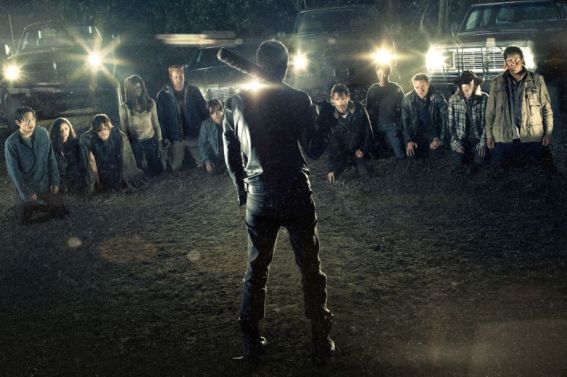
cliffhanger Negan
And to think The Walking Dead once had good cliffhangers.
Seriously, if you look at the first five seasons the show had really good cliffhangers that left viewers both satisfied and wanting more.
Cliffhangers like the ones in seen in A and Too Far Gone were fantastic.
But then season six came along and a rather nasty trend of terrible cliffhangers ensued.
Glenn’s fake-out death and Sam calling out for his mother, only to cut to black, were some of the many bad cliffhangers seen.
This all culminated in what has to be one of the worst cliffhangers in Television history.
In the season six finale, Last Day on Earth, Negan did eenie, meeny, miney, moe, to decide who he was going to kill.
However, it to cut to a P.O.V shot of the person he chose and as Negan hit this unknown person with Lucille, the screen cut to black and made the audience feel like the cliffhanger might have well as been a giant middle finger.
This cliffhanger was absolutely insulting because it took one of the most tense moments from the comic and transformed it into a ratings grab to make more money off the season seven premiere.
Unfortunately, the show’s cliche of terrible cliffhangers did not end here, even extending to cliffhangers for ad breaks, which killed all the tension.
At the end of the day these cliffhangers make the show feel like it is just in it for the money and that they are scared of viewers losing interest.
The show-runners’ should really take a cue from Robert Kirkman because cliffhangers in The Walking Dead comic leave the reader both satisfied and wanting more.
This is what a cliffhanger should be and not leave the viewer wanting more but unsatisfied, which is what is currently happening with the show.

3. The Structure of Season Seven and Season Eight
Garbage People
Season seven and season eight have probably been the most problematic seasons of The Walking Dead.
This can be seen with their persistent drop in ratings from what was usually expected of the show.
These two seasons covered Negan’s story when he first encountered the survivors.
Season seven covered the build up to All Out War and season eight was the war.
I can remember coming into season seven thinking we were going to get both the build up and All Out War in one season.
However, when I realised the show would be doing this in two seasons I knew there was going to be trouble.
There was just not enough content with this storyline to pour into two seasons so the writers had to come up with additional storylines to put in like Jadis and the scavengers, and Oceanside.
Unfortunately, these story elements came across as filler that was just used to lengthen the story as the Scavengers are all dead now except for Jadis and Oceanside did virtually nothing significant during the war.
This is sadly not the only case of filler in these two seasons as episodes were spent gathering supplies for the war and conflicts were extended just to make the run time longer.
This made these two seasons feel very overstretched and like they took too long to get to the point.
Season seven should have just featured the build up and then All Out War as one, instead of it being stretched across two seasons.
This would have flowed much more cohesively and made the story much more exciting.
The decision to split the Negan arc into two seasons, I feel, really damaged the show in terms of its ratings and quality.

2. Andrea
Andrea.jpg
Up until season eight, this was the worst change The Walking Dead show ever made.
I watched the first three seasons of The Walking Dead before I started to read the comics.
During this time, my least favourite character was Andrea.
She was mean, annoying and constantly making stupid decisions like not stopping The Governor and how she handled the Beth situation in season two.
I was really glad when she got killed off but even that was done poorly because she wasted precious time talking to Milton when she should have been getting out of the situation.
So, imagine my surprise, when I read the comics and found out that Andrea was one of the best characters.
She was extremely skilled, being a sharpshooter, and was very compelling.
She even went on to become Rick’s love interest in the comics, instead of Michonne.
I have no idea what happened with Andrea in the show but they took one of the best characters and presented her in a completely unlikable fashion.
For a very long time Andrea’s portrayal was what I considered to be the worst deviation The Walking Dead show had ever made from the comic… but then number one had to come along.

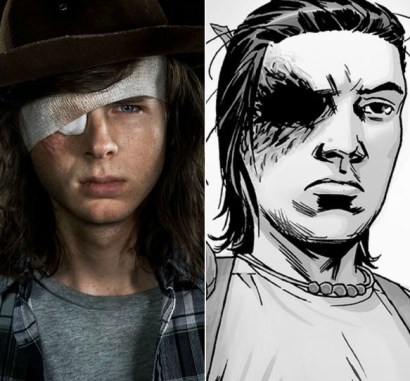
1. Carl Grimes
Carl comic vs show
What. Were they. THINKING!?
Seriously, Carl is one of the best characters in the comic and for the first six seasons you have him do nothing of interest and then you kill him off in season eight, right before his big comic book arc?
In the comics Carl is the second most important character next to Rick.
We got to see him grow from a young innocent kid to a cold blooded killer, before he had to reshape himself in order to fit in with the new society his father was building.
This, however, we did not get in the show.
We got hints of it, yes, when Carl executes the innocent Woodbury soldier boy who was trying to surrender but, other than that, there was nothing that showed Carl going down his dark path.
All his big moments were given to other characters so by the end of season six Carl had done almost nothing substantial.
It looked like they were starting to give him more to do in season seven, with him going through with his assassination attempt on Negan, like he did in the comics but then, in season eight, it happened.
Carl died.
Had I done this list before season eight, Carl would be on it but he would be considerably lower.
Carl’s death puts him at the number one spot, not just because of how important he is to future story lines, but also, because of how pointless his death was.
They could have found another way for Rick to decide to not kill Negan.
Carl did not need to die for that to happen and now it looks like they will be giving his great comic book story to Henry in the show, a side character.
What they did with Carl is easily the worst character change and the worst change overall from The Walking Dead comic book to the television show.


However, all that being said, not all of the changes in The Walking Dead from the comic to the show have been badly done.
There have actually some pretty brilliant changes that have not only been as good as what was presented in the comic but better.
So, it would only be fair that I count down the top 10 best changes in The Walking Dead show as well.
You can expect to see that list soon.